
The Ultimate Childminding Equipment Checklist for UK Childminders
Posted by EYR Team on 10th Aug 2026
read more
Starting your childminding journey is an exciting step, but knowing exactly what equipment you'll need can feel overwhelming. From creating a safe home environment to providing engaging learning opportunities, there's plenty to think about before welcoming your first children.
Whether you're registering as a childminder for the first time or refreshing your existing setting, having the right equipment will help you provide high-quality care while supporting children's learning and development.
The good news is that you don't need to buy everything at once. By prioritising the essentials first and gradually expanding your resources, you can build a welcoming environment that meets the needs of babies, toddlers and older children without exceeding your budget.
In this guide, we'll walk you through everything you'll need to get started, including:
- Safety equipment
- Feeding essentials
- Sleeping equipment
- Nappy changing supplies
- Toys and educational resources
- Outdoor play equipment
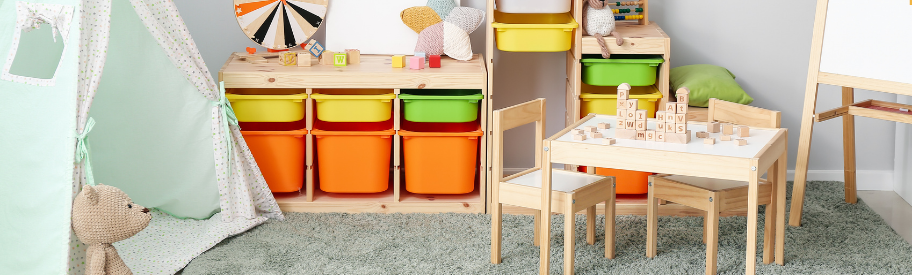
- Furniture and storage
- Arts and crafts materials
- Business essentials
- Helpful extras that can make everyday childminding easier
We've also included practical tips on budgeting, buying second-hand equipment and deciding which items are essential from day one.
Tip: Every childminding setting is unique. The equipment you'll need will depend on the ages of the children you care for, the space available in your home and the services you offer.
Quick Childminding Equipment Checklist
If you're looking for a quick overview, here's a handy checklist of the essentials.
| Equipment | |
|---|---|
| ✓ | Smoke alarms and carbon monoxide alarms |
| ✓ | First aid kit |
| ✓ | Fire blanket and fire extinguisher |
| ✓ | Stair gates and safety gates |
| ✓ | Cupboard and drawer locks (where needed) |
| ✓ | Plug socket covers (only if recommended by your risk assessment – see note below) |
| ✓ | Highchair(s) |
| ✓ | Cot or travel cot |
| ✓ | Pushchair |
| ✓ | Nappy changing mat |
| ✓ | Toys suitable for different age groups |
| ✓ | Books |
| ✓ | Arts and crafts supplies |
| ✓ | Outdoor toys |
| ✓ | Tables and chairs |
| ✓ | Storage baskets and shelving |
| ✓ | Cleaning products (stored securely) |
| ✓ | Accident and medication record forms |
| ✓ | Emergency contact information |
Why not bookmark this page and use it as your checklist while setting up your childminding business?
Editorial note: Modern UK safety guidance generally advises against using plug-in socket covers in standard British sockets, as they are designed with built-in safety features. Instead, focus on carrying out thorough risk assessments and supervising children appropriately. If your original article recommends socket covers, I'd update that section to reflect current guidance and avoid giving outdated advice.
What Equipment Does a Childminder Legally Need?
One of the most common questions new childminders ask is:
"What equipment do I legally need to become a childminder?"
There isn't an official checklist published by Ofsted that tells childminders exactly which products they must own. Instead, childminders are expected to provide a safe, clean and stimulating environment that supports children's learning, development and wellbeing.
The exact equipment you'll need will depend on:
- the ages of the children in your care
- the number of children you look after
- whether you provide meals
- whether children sleep at your setting
- whether you offer outdoor play
- your individual risk assessments
Rather than purchasing every item available, think about how each piece of equipment supports children's safety, comfort and development.
For example, if you regularly care for babies, you'll almost certainly need sleeping equipment, highchairs and age-appropriate toys. If you mainly look after school-aged children, your focus may be on creative resources, outdoor play and homework-friendly spaces.
The most important thing is ensuring your home is well organised, safe and equipped with suitable resources that allow every child to learn through play.
Essential Safety Equipment
Creating a safe environment is one of the first priorities when setting up your childminding business. Before buying toys and resources, make sure your home has the appropriate safety measures in place.

Smoke and Carbon Monoxide Alarms
Working smoke alarms should be fitted on every level of your home, with carbon monoxide alarms installed where required. Test them regularly and keep a record as part of your routine safety checks.
First Aid Kit
Every childminder should have an easily accessible first aid kit that is fully stocked and regularly checked.
Include items such as:
- sterile dressings
- bandages
- plasters
- disposable gloves
- sterile wipes
- microporous tape
- scissors
If you take children on outings, keep a portable first aid kit in your changing bag or pushchair too.
Fire Safety Equipment
Depending on your setting, consider:
- Fire blanket
- Small fire extinguisher
- Clearly planned escape routes
- Emergency evacuation procedures
Practise fire drills regularly so that everyone knows what to do in an emergency.
Safety Gates
Safety gates can help prevent accidents around stairs and restrict access to certain areas of your home.
If caring for babies or young toddlers, you'll probably need gates at both the top and bottom of staircases.
Furniture Safety
Don't overlook everyday hazards.
Check that:
- heavy furniture is secured where appropriate
- blind cords are safely out of reach
- sharp corners are protected if necessary
- cleaning products and medicines are stored securely
- hot drinks are kept well away from children
- electrical cables are tidy and inaccessible
Small changes like these can make a big difference in reducing everyday risks.
Risk Assessments
Perhaps the most important "piece of equipment" isn't equipment at all.
Regular risk assessments help you identify hazards, review your environment and make improvements as children's needs change.
Remember to think about:
- indoors
- outdoors
- trips and outings
- pets
- visitors
- seasonal hazards
- new equipment
A well-maintained, regularly reviewed environment will help children explore confidently while giving parents reassurance that safety is always a priority.
Feeding Equipment for Childminders
Providing meals and snacks is an important part of many childminding settings. The equipment you need will depend on the ages of the children you care for and whether you provide meals, snacks or just drinks.
A well-organised feeding area helps children develop independence while making mealtimes safer and more enjoyable.
When choosing feeding equipment, look for items that are:
- easy to clean
- durable
- suitable for different ages
- safe and practical for everyday use

Highchairs and Booster Seats
Highchairs are one of the most common purchases for new childminders caring for babies and toddlers.
When choosing a highchair, consider:
✓ A secure harness
✓ Easy-to-clean surfaces
✓ Adjustable height options
✓ A stable base
✓ Space-saving storage
If you care for children of different ages, you may find a combination of highchairs and booster seats more practical.
For example:
- Babies may need a traditional highchair with a harness.
- Older toddlers may prefer a booster seat at the table to encourage independence.
Children's Crockery and Cutlery
Children benefit from having appropriately sized equipment that helps them develop independence during mealtimes.
Useful items include:
- Child-sized plates and bowls
- Non-slip bowls
- Toddler cutlery
- Training cups
- Beakers
- Bibs
- Snack containers
Open cups and child-sized utensils can support children's self-help skills when introduced appropriately.
Food Preparation and Storage Equipment
If you provide meals and snacks, you'll also need practical kitchen equipment to keep food preparation safe and organised.
Consider:
- Food storage containers
- Labels for children's food
- Fridge storage space
- Cleaning supplies
- Child-friendly utensils
Remember to keep food preparation areas clean and follow current food hygiene guidance.
Sleeping Equipment for Childminders
Some children, particularly babies and younger toddlers, may need a sleep during the day.
Creating a comfortable and safe sleep environment is an important part of your childminding setup.
Cots and Travel Cots
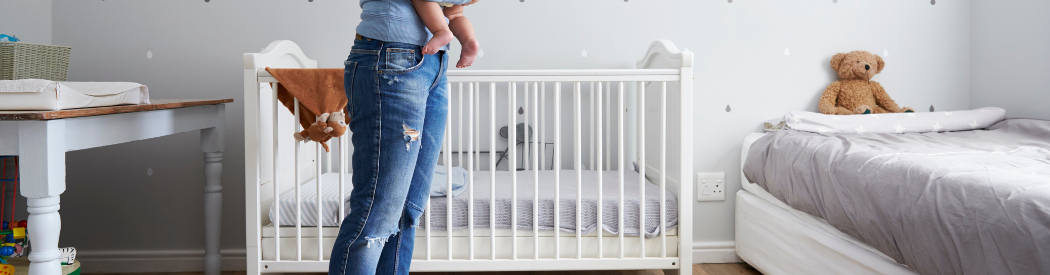
A suitable cot or travel cot may be needed if you care for babies or younger children.
When choosing sleeping equipment, consider:
- Safety standards
- Ease of cleaning
- Mattress quality
- Available space
- Portability
Many childminders choose travel cots because they can be folded away when not in use, making them ideal for smaller spaces.
Bedding and Sleep Essentials
Useful sleep items include:
- Fitted sheets
- Waterproof mattress protectors
- Spare bedding
- Blankets/sleeping bags suitable for the child's age
- Storage bags for individual bedding
Having spare bedding available is particularly useful for unexpected accidents or spills.
Creating a Calm Sleep Environment
A dedicated sleep space does not need to be large.
Many childminders create simple sleep areas using:
- quiet corners
- blackout blinds
- comfortable room temperatures
- reduced noise
- consistent routines
The aim is to provide children with a familiar and relaxing space where they feel secure.
Nappy Changing Equipment
If you care for babies and toddlers, having a safe and organised nappy changing area is essential.
Changing Mats and Storage
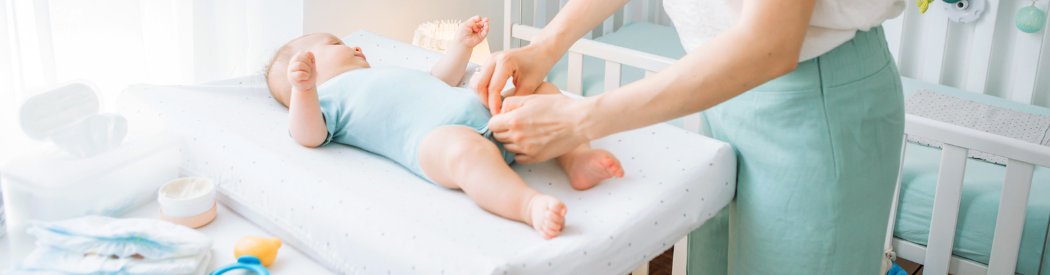
A practical changing area should include:
- Wipe-clean changing mat
- Nappies
- Wipes or suitable cleaning materials
- Disposable gloves if used
- Nappy bags
- Spare clothes
- Handwashing facilities nearby
Storage baskets or boxes can help keep everything organised and accessible.
Spare Clothes and Personal Items
Young children can easily have spills, messy play accidents or toilet-training mishaps.
A useful childminding setup includes space for:
- Spare clothing
- Sun hats
- Coats
- Wellies
- Comfort items from home
A labelled storage system helps children recognise their own belongings and encourages independence.
Furniture and Seating for a Childminding Setting
The right furniture helps children feel comfortable while supporting play, learning and independence.
When choosing furniture, think about:
- child height
- safety
- durability
- storage
- flexibility
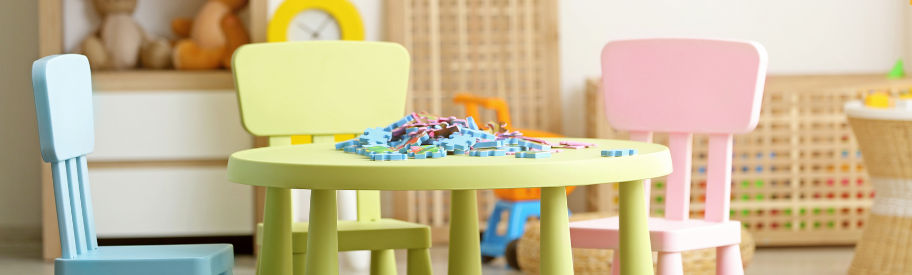
Tables and Chairs
Child-sized furniture allows children to:
- sit comfortably
- complete activities independently
- enjoy meals together
- develop social skills
Useful furniture includes:
- Small tables
- Toddler chairs
- Booster cushions
- Comfortable reading seating
Shelving and Storage Solutions
Good storage is one of the biggest priorities for childminders.
A well-organised setting helps:
✓ Children access resources independently
✓ Reduce clutter
✓ Rotate toys easily
✓ Keep equipment safe
Useful storage options include:
- Open shelving
- Storage baskets
- Toy boxes
- Book displays
- Drawer units
Baby Equipment Checklist for Childminders
If you care for babies, you may need additional equipment to support feeding, sleeping, movement and sensory development.
Essential Baby Equipment
Consider:
✓ Highchair
✓ Cot/travel cot
✓ Baby changing equipment
✓ Baby-safe toys
✓ Sensory resources
✓ Floor mats
✓ Soft play equipment
✓ Baby mirrors
✓ Teething resources
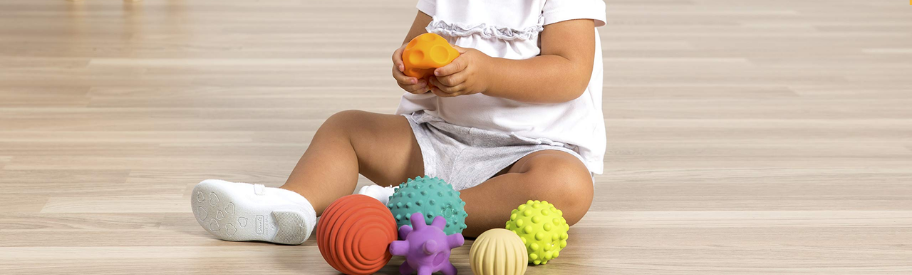
Floor-Based Play Equipment
Babies learn through movement and exploration.
Useful resources include:
- Play mats
- Soft blocks
- Sensory toys
- Activity gyms
- Mirrors
- Treasure baskets
These encourage early development including:
- reaching
- rolling
- crawling
- exploring textures
- problem solving
Toys and Learning Resources for Childminders
A well-stocked childminding setting doesn't need hundreds of toys. The most effective environments provide a carefully chosen range of resources that encourage children to explore, imagine, create and develop new skills.
The best resources are often those that can be used in multiple ways and adapted for different ages and abilities. Choosing the right resources can make a huge difference to children's learning and development. Our guide to essential play resources for childminders explores the toys and equipment every setting should consider.
When choosing toys and learning resources, think about how they support:
- communication and language
- physical development
- creativity
- problem solving
- imagination
- social skills
- independence
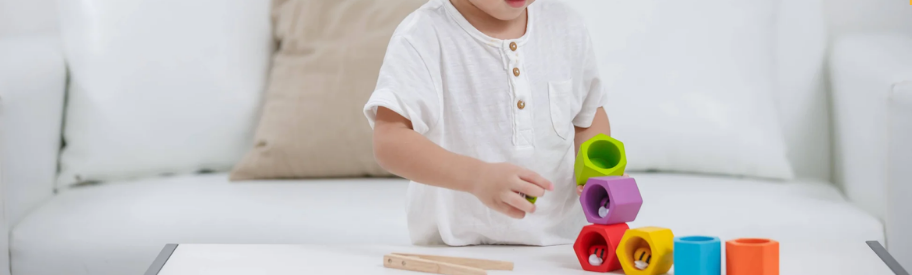
Open-Ended Resources
Open-ended resources are some of the most valuable additions to a childminding setting because they encourage children to use their imagination.
Unlike toys with one fixed purpose, open-ended resources allow children to create their own play experiences.
Examples include:
- Building blocks
- Wooden loose parts
- Small world figures
- Natural materials
- Fabric pieces
- Boxes and containers
- Play dough accessories
A collection of versatile resources can support children from toddler age through to preschool and beyond. Open-ended resources are particularly valuable because they encourage creativity, imagination and independent play. You can explore more ideas in our guide to open-ended play resources for early years children.
Books and Communication Resources
Books should be an essential part of every childminding environment.
A good selection of books supports:
- vocabulary development
- listening skills
- imagination
- emotional understanding
- early literacy
Consider including:
- Board books for babies
- Story books
- Picture books
- Diversity and inclusion books
- Nursery rhyme books
- Non-fiction books
Creating a comfortable reading area with accessible books encourages children to develop a love of reading.
Role Play Resources
Role play allows children to recreate real-life experiences, develop language and explore emotions.
Popular role play resources include:
- Play kitchens
- Food sets
- Dolls
- Dressing-up clothes
- Doctors sets
- Tool sets
- Home corner resources
These resources support communication, creativity and social development.
Construction and Problem-Solving Resources
Construction play supports:
- fine motor skills
- creativity
- spatial awareness
- problem solving
- early maths skills
Useful resources include:
- Building blocks
- Magnetic construction sets
- Wooden construction toys
- Puzzles
- Sorting games
- Threading activities
Arts and Crafts Resources for Childminders
Creative activities are a big part of early years learning and provide children with opportunities to express themselves. If you're looking for inspiration, our collection of creative activities and craft resources for children can help you plan engaging experiences throughout the year.
A well-stocked creative area allows children to explore:
- colours
- textures
- materials
- imagination
- design
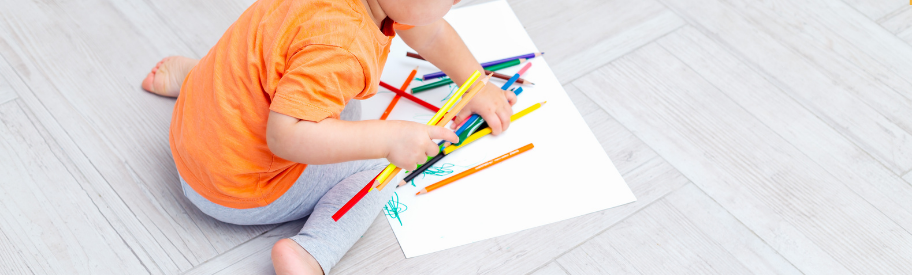
Essential Creative Supplies
Useful craft resources include:
✓ Paper and card
✓ Paints
✓ Paint brushes
✓ Crayons and pencils
✓ Glue sticks
✓ Child-safe scissors
✓ Stickers
✓ Collage materials
✓ Modelling materials
✓ Craft tools
Messy Play Resources
Messy play is hugely beneficial for young children because it encourages sensory exploration and creativity. From sensory trays to themed activities, messy play provides endless opportunities for exploration. Take a look at our messy play ideas and resources for early years settings for more inspiration.
Resources could include:
- Play dough
- Sand
- Water play equipment
- Sensory trays
- Scoops and containers
- Natural materials
Messy play supports:
- fine motor development
- language development
- curiosity
- problem solving
Outdoor Equipment for Childminders
Outdoor play is an important part of children's development. A well-planned outdoor area gives children opportunities to be active, explore nature and develop confidence.
You don't need a huge garden to create an engaging outdoor environment.Whether you have a large garden or a smaller outdoor space, choosing the right equipment can help children develop confidence and physical skills. Our guide to outdoor resources for childminders shares ideas for creating an inspiring outdoor area.
Outdoor Physical Development Equipment
Resources that encourage movement include:
- Balance bikes
- Scooters
- Balls
- Hoops
- Bean bags
- Climbing equipment
- Balance equipment
These support:
- coordination
- confidence
- gross motor skills
- physical wellbeing
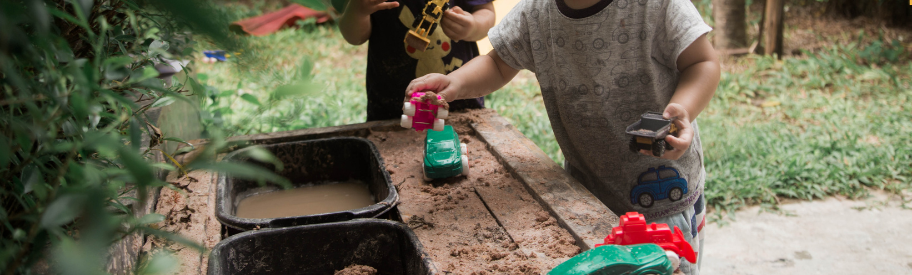
Mud Kitchens and Nature Play
Nature-based play has become increasingly popular in early years settings.
Mud kitchens encourage:
- imaginative play
- communication
- sensory exploration
- understanding of the natural world
Other useful outdoor resources include:
- Planting equipment
- Bug viewers
- Water play resources
- Natural loose parts
- Gardening tools
Outdoor Storage Solutions
Keeping outdoor equipment organised helps protect resources and makes them easier for children to access.
Consider:
- Outdoor storage boxes
- Shelving
- Resource baskets
- Weatherproof containers
Essential Childminding Equipment vs Nice-to-Have Extras
When setting up your childminding environment, it can be tempting to buy everything at once. With so many wonderful toys, resources and pieces of equipment available, it is easy to spend more than you originally planned.
The key is to prioritise the items that will have the biggest impact first.
A successful childminding setting does not depend on having the most equipment — it depends on having the right equipment, organised in a way that encourages children to explore, learn and develop independence.
Equipment to Buy Before Your First Children Arrive
These are the items most new childminders should prioritise:
Safety essentials
✓ First aid kit
✓ Smoke alarms
✓ Carbon monoxide alarms where required
✓ Safety gates where needed
✓ Secure storage for medicines and cleaning products
Baby and toddler essentials
✓ Highchair
✓ Cot or travel cot (if caring for babies)
✓ Changing equipment
✓ Suitable toys and books
✓ Child-sized seating
Learning essentials
✓ Books
✓ Creative resources
✓ Construction toys
✓ Role play resources
✓ Outdoor play equipment
Equipment You Can Add Over Time
Many successful childminders build their resources gradually.
Items that can often wait include:
- Large climbing equipment
- Specialist sensory equipment
- Extensive role play sets
- Large quantities of duplicate toys
- Expensive furniture upgrades
Remember, children's creativity often comes from simple resources used imaginatively.
How Much Does It Cost to Set Up as a Childminder?
One of the biggest questions new childminders ask is:
"How much money do I need to start childminding?"
The answer depends on your existing home setup, the number of children you plan to care for and the resources you already own.
Some childminders start with the basics and gradually invest in new equipment as their business grows, while others prefer to create a fully equipped setting before opening.
| Area | Estimated Starting Cost |
|---|---|
| Safety equipment | £50–£150 |
| Feeding equipment | £50–£250 |
| Sleeping equipment | £50–£300 |
| Toys and learning resources | £200–£1,000+ |
| Outdoor equipment | £100–£800+ |
| Furniture and storage | £100–£500 |
Estimated total:
A basic setup may cost a few hundred pounds, while a larger, more fully equipped setting could require a much greater investment.
Buying Second-Hand Childminding Equipment
Buying second-hand equipment can be a great way to reduce costs when setting up your childminding business.
Many items can be reused safely when they are:
- clean
- well maintained
- age appropriate
- checked carefully before use
Items That Are Often Suitable to Buy Second-Hand
Examples include:
✓ Tables and chairs
✓ Storage units
✓ Books
✓ Wooden toys
✓ Outdoor resources
✓ Role play equipment
Items to Check Carefully Before Buying Used
Some equipment needs extra consideration.
Always check:
- safety standards
- condition
- missing parts
- damage or wear
- cleaning requirements
For safety-critical items, many childminders prefer to buy new where possible.
Creating a Childminding Environment on a Budget
Setting up doesn't have to happen overnight.
Here are some ways to create an inspiring environment without overspending:
Choose Open-Ended Resources
Investing in versatile resources often gives better value than buying lots of single-use toys.
For example:
A set of wooden blocks can become:
- a tower
- a house
- a bridge
- a small world scene
The possibilities grow with children's imagination.
Rotate Your Resources
You don't need every toy available every day.
Rotating resources:
- keeps children interested
- reduces clutter
- encourages deeper play
- makes your setting feel refreshed
Use Everyday Items
Children often enjoy exploring real-world objects.
Examples:
- cardboard boxes
- fabric scraps
- wooden spoons
- containers
- natural materials
These can support creativity and problem solving.
Frequently Asked Questions About Childminding Equipment
What equipment does a childminder legally need?
There is no single official equipment shopping list for childminders. The equipment needed depends on the children you care for, your environment and your risk assessments.
Childminders should provide a safe, suitable and stimulating environment with resources that support children's learning and development.
Do childminders need a cot?
If you care for babies or younger children who sleep during the day, suitable sleeping equipment such as a cot or travel cot may be needed.
Your choice will depend on the ages of children attending your setting.
How many toys does a childminder need?
There is no required number of toys.
A smaller collection of high-quality, open-ended resources can often provide more learning opportunities than a large number of single-purpose toys.
What toys should every childminder have?
A good starting collection includes:
- books
- construction toys
- role play resources
- creative materials
- puzzles
- sensory resources
- outdoor equipment
Do childminders need outdoor space?
Outdoor play is valuable for children's physical development and wellbeing.
The space available will vary between settings, but childminders should provide opportunities for children to be active, explore and engage with the world around them.
Final Childminding Equipment Checklist
Before welcoming children into your setting, check that you have considered:
Safety
☐ First aid kit
☐ Fire safety equipment
☐ Secure storage
☐ Risk assessments
Care
☐ Feeding equipment
☐ Sleeping equipment
☐ Changing supplies
☐ Spare clothing
Learning
☐ Books
☐ Toys
☐ Creative resources
☐ Construction resources
☐ Role play resources
Outdoor
☐ Active play equipment
☐ Outdoor storage
☐ Nature resources
Conclusion
Setting up your childminding environment is an exciting journey, and the equipment you choose will help shape the experiences children have in your care.
Remember, creating a successful setting is not about having the biggest collection of toys or the most expensive equipment. It is about creating a safe, welcoming environment where children feel confident to explore, play and learn.
Start with the essentials, choose resources carefully and build your collection over time as you discover what works best for the children in your setting.
At Early Years Resources, we’re here to help you find practical, engaging resources that support children’s development and make everyday childminding easier.