

Loose Parts Play in EYFS: Benefits, Examples & Practical Ideas for Early Years
Posted by EYR Team on 22nd Jun 2026
read more
Loose parts play is a powerful approach in early years education that supports children’s creativity, problem-solving, and independence. In EYFS settings, it is widely used to encourage child-led exploration and open-ended learning experiences.
This guide explains what loose parts play is, why it matters, and how to use it effectively in early years practice with practical, real-world examples.
What is Loose Parts Play?
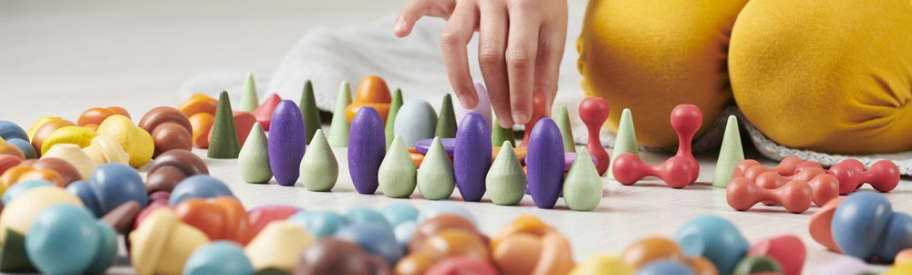
Loose parts play refers to the use of open-ended materials that children can move, manipulate, combine, redesign, and take apart in multiple ways.
These materials have no fixed purpose, meaning children decide how to use them.
Examples include:
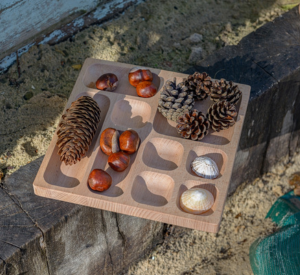
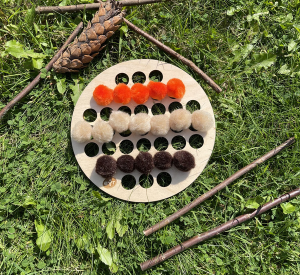
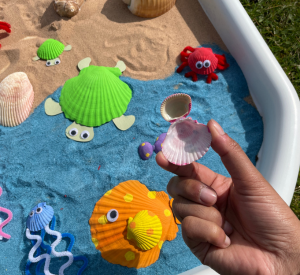
- Natural materials (stones, sticks, shells, leaves)
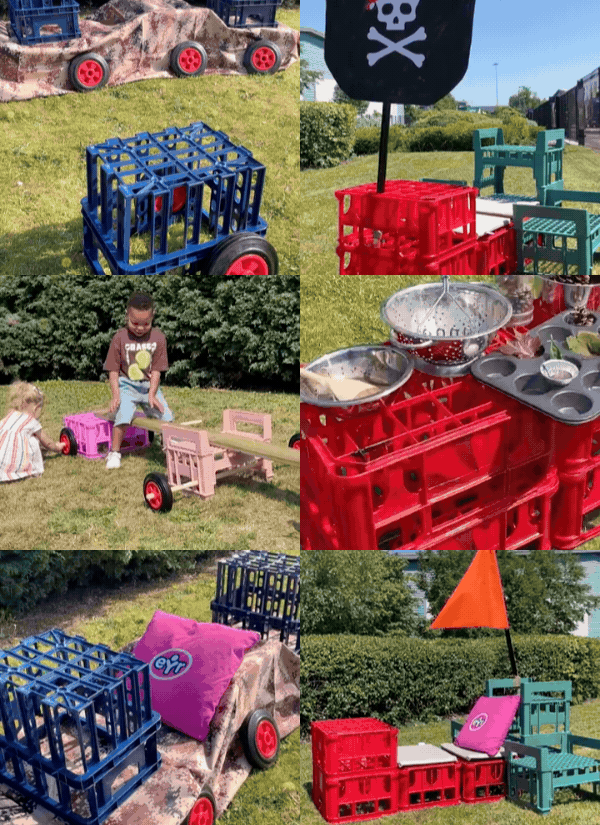
- Construction items (blocks, tubes, crates)
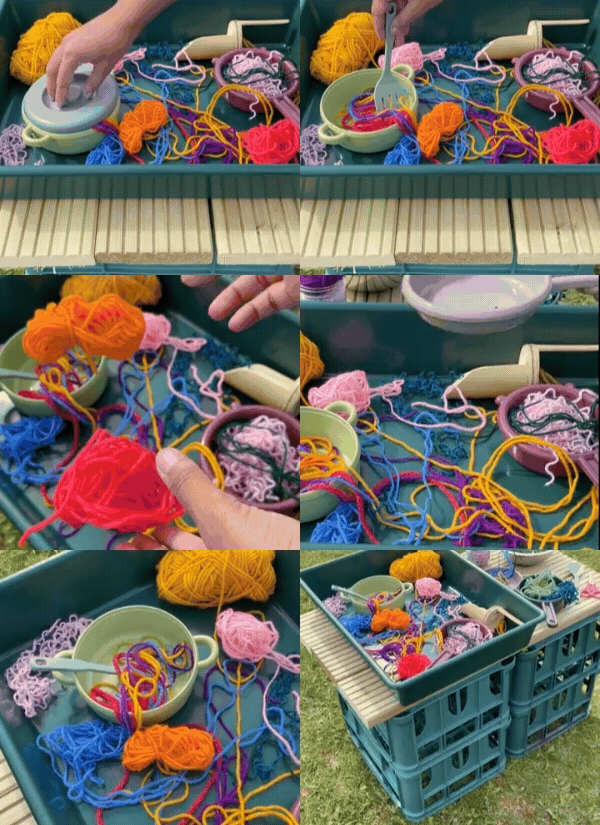
- Household items (buttons, pegs, bottle tops, fabric scraps)
- Loose recycled materials (cardboard, containers, lids)
- Upcycled outdoor items (crates, tyres, guttering)
The key idea is simple: the more open-ended the material, the richer the play.
Why Loose Parts Play is Important in EYFS
Loose parts play strongly supports the principles of the EYFS framework by encouraging active learning, creativity, and exploration.
It helps children develop across all prime and specific areas of learning.
Key benefits include:
1. Supports Creativity and Imagination
Children can turn simple objects into anything they imagine, encouraging storytelling and symbolic thinking.
2. Enhances Problem-Solving Skills
Loose parts encourage children to experiment, test ideas, and find solutions independently.
3. Builds Communication and Language
As children play, they naturally discuss ideas, negotiate roles, and explain their thinking.
4. Strengthens Physical Development
Manipulating small and large loose parts supports both fine and gross motor skills.
5. Encourages Mathematical Thinking
Children explore:
- counting
- sorting
- pattern making
- spatial awareness
6. Supports Personal, Social and Emotional Development (PSED)
Loose parts play promotes collaboration, sharing, resilience, and confidence.
How Loose Parts Link to the EYFS Framework
Loose parts play supports all seven areas of learning:
Prime Areas
- Communication and Language – conversation and storytelling during play
- Physical Development – handling, stacking, moving materials
- PSED – teamwork, independence, confidence
Specific Areas
- Literacy – mark making, storytelling, symbolic representation
- Mathematics – counting, shape, space, measure
- Understanding the World – exploring materials and natural objects
- Expressive Arts and Design – creative construction and design thinking
Practical Loose Parts Play Ideas (EYFS Settings)
One of the strengths of loose parts play is how easy it is to introduce into any environment.
Below are practical ideas you can use immediately.
Indoor Loose Parts Ideas
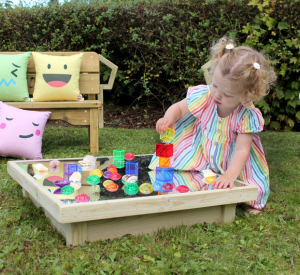
- Small world trays with natural and man-made loose parts
- Treasure baskets for younger children
- Loose parts construction tables (nuts, bolts, corks, blocks)
- Threading stations using beads, pasta, or buttons
- Cardboard creation stations (boxes, tubes, tape)
Outdoor Loose Parts Ideas
Outdoor environments are ideal for large-scale loose parts play. Try:
- crates and pallets for building
- tyres for stacking or balancing
- logs and sticks for construction
- large fabric pieces for dens and role play
- guttering and pipes for water flow exploration
Budget-Friendly Loose Parts Collection
You do not need expensive resources. Many loose parts are free or low-cost:
- Bottle tops
- Cardboard tubes
- Fabric scraps
- Pinecones and shells
- Egg boxes
- Old kitchen utensils
A strong loose parts collection is often built over time through donations and recycling.
Practitioner Role in Loose Parts Play
In loose parts play, the adult’s role is not to direct but to facilitate learning.
Effective strategies include:
- Observing rather than leading
- Asking open-ended questions (“What could you build next?”)
- Extending vocabulary during play
- Modelling curiosity rather than solutions
- Documenting learning through observations
Common mistakes to avoid:
- Over-directing children’s play
- Providing too few or too many resources
- Assuming there is a “correct” outcome
- Interrupting sustained play too quickly
Loose Parts Play and Continuous Provision
Loose parts play works best when embedded into continuous provision rather than treated as a one-off activity.
It enhances:
- Construction areas
- Creative zones
- Outdoor learning spaces
- Small world play setups
The flexibility of loose parts allows children to return to resources repeatedly with new ideas each time.
Frequently Asked Questions (FAQ)
What counts as loose parts in EYFS?
Loose parts are any open-ended materials that children can move, combine, and use creatively, such as natural objects, recycled materials, and construction items.
Is loose parts play safe for young children?
Yes, when appropriately risk assessed. Loose parts encourage safe risk-taking and should be supervised according to age and development stage.
Do I need expensive resources?
No. Many of the best loose parts are free or recycled materials.
How do I introduce loose parts into my setting?
Start small with one area (e.g. construction or outdoor space) and gradually expand as children become familiar with open-ended play.
Final Thoughts
Loose parts play is one of the most effective ways to support high-quality early years learning. It encourages children to think independently, collaborate with others, and explore ideas through hands-on experience.
By embedding loose parts into your EYFS provision, you create richer learning opportunities that support creativity, curiosity, and holistic development.
