How to Support Children and Young People with Sensory Needs in Mainstream Education
Posted by EYR Team on 21st Sep 2026
read moreSensory processing, also known as sensory integration, is how information is processed in the brain. Take this example: if you are driving and the sun is in your eyes, the sun is the sensory information, how we respond to this input i.e pull down your visor, is what is known as sensory processing.
Our senses
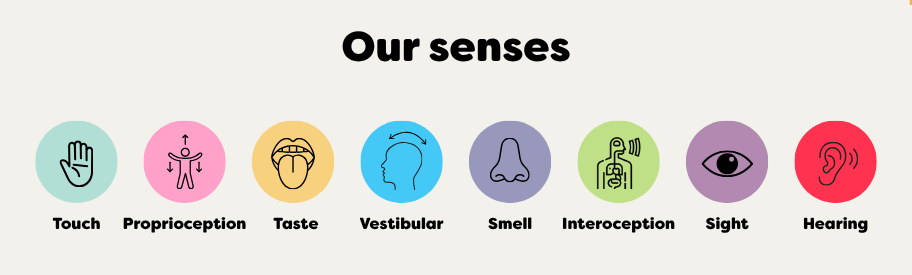
We not only have the “five senses” (sight, sound, touch, taste, smell), but also:
- Proprioception: this sense allows information to be sent to the brain from the joints and muscles about the position and movements of the body. We depend on this to know exactly where our body parts are and to plan our movements.
- Vestibular System: located in our inner ear, this provides information about movement, gravity and changing head positions. This is fundamental to our actions and tells us if we are moving or still as well as the direction and speed of our movements.
- Interoception: our internal body signals – hunger, tiredness. Our brains are constantly sorting and organizing this information
Sensory processing
Everyone processes sensory information differently. Some people experience sensory differences so strongly it has an impact on their ability to pay attention, regulate themselves etc
The “sensory cup” analogy
Imagine everyone has a “sensory cup”
Throughout the day, sensory input is poured into this cup. In the case of a child this might be:
- Noise: playtime, teacher’s voices, school bell
- Lights: sunlight, fluorescent lighting
- Touch: uniform, PE kit, shoes
- Movement: between lessons, transitions on stairs or in the hallway, sitting still in class
- Smells: school dinners, teacher’s perfume
- Social interaction: group work, playtime
- Screen time: blue light, screen brightness
- Cognitive demand: multi-step instructions, timed tasks, switching between subjects quickly
The size of a child’s “cup” and how quickly it fills, differs for every child.
A child with a small sensory cup (in other words it fills up quickly) might struggle with loud noises or can’t tolerate touch. As a result you might see meltdowns, shutdowns or irritability. These children often score highly in sensory sensitivity or sensation avoiding
A child with a large sensory cup maybe need more input to feel regulated. These individuals often score high in sensation seeking or low registration.
The Tap and Leak
The tap: how much sensory input is coming in
The cup size: the individual’s neurological threshold (what they can tolerate)
The leak: how well the nervous system regulates
Some children have:
- A small cup and a fast tap: they can become easily overwhelmed
- A large cup and slow filling: they can appear disengaged
- Have a cup with no leak: these children struggle to regulate once full
Many children do not have one cup size for all senses.
They may have:
- A small cup for auditory
- An even smaller cup for tactile processing (touch)
- A large cup for proprioception
- A huge cup for movement (vestibular)
Assessments are required to find out what a child’s sensory profile is.
Strategies to support children with Sensory Needs
These environmental and equipment-based strategies are recommended by occupational therapists for a whole school approach.
Environmental
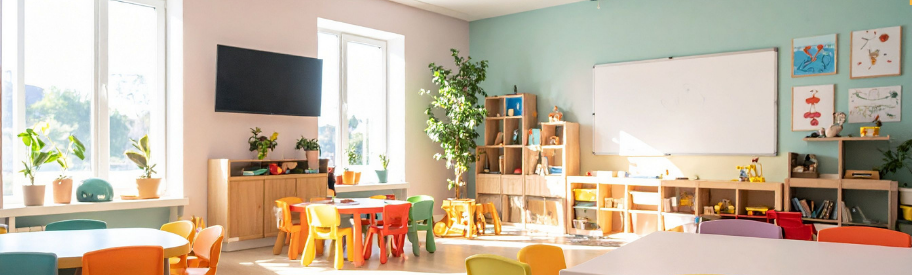
- Keep spaces simple: too many colours and patterns can be overwhelming
- Keep the spaces tidy: clutter impacts focus
- Ensure working spaces are quiet: too many auditory distractions can impact our ability to focus
- Be mindful of smells: some children find strong air fresheners or perfumes overwhelming
- Put a safe space in the classroom: this space is not to be used as a punishment, but for the child to have a safe space where they can regulate or if they are feeling overwhelmed
- Keep spaces organised: label drawers, colour code subjects, put out the items that you need for that subject, use planners and organisers and practice putting items back in their places.
Equipment
- Noise cancelling headphones: to support when environments are noisy
- Fidgets: small, quite and that do not roll when dropped
- Theraputty: something to play with whilst supporting listening
- Velcro dots or felt dots: to stick under the table as a “fidget”
- Wobble cushions and stools: perfect for children who seek movement or lean back in their chair
- Wedge seats: for children who “W” sit or struggle to sit upright
- Chair bands: for children who seek movement
- Weighted lap pad: for children who struggle to sit still
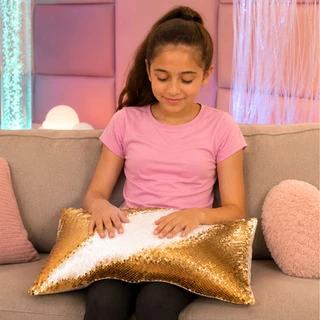
- For your calm corner: bean bags, tents, cushions, sequin pillows or windmill toys are all great
Whole school strategies
- Mindful breathing
- Body check-ins before lessons
- Movement built into lessons
- Visual timetables
- Changing language – instead of “sit still” ask “lets do a movement reset”
Most Popular Products
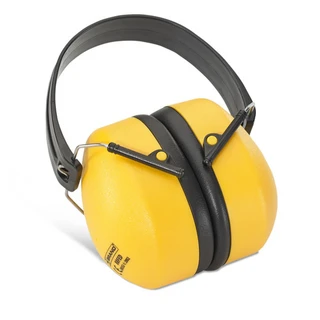
Folding Ear Defenders
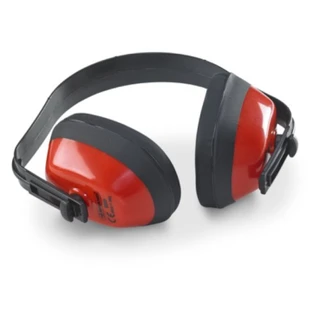
Red Ear Defenders
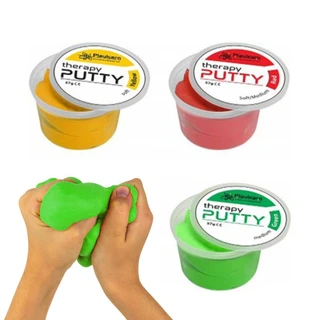
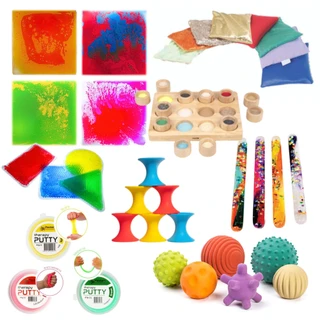
Complete Tactile Play Resource Kit For Classrooms
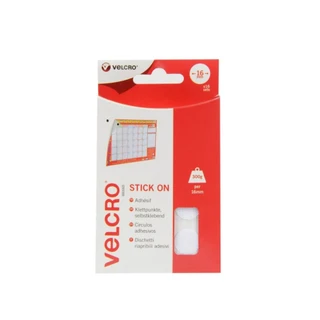
VELCRO® Sensory Stick On Coins
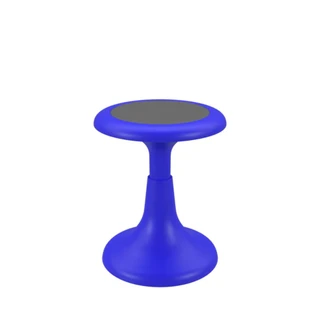
Wobble Stool
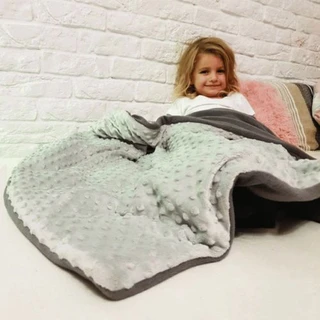
Weighted Blanket
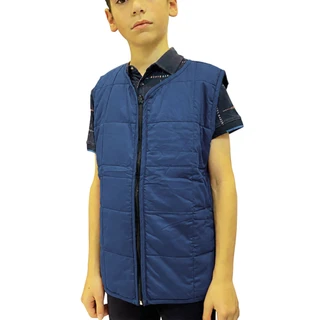
Weighted Sensory Vest For Children – Medium