
EYFS Safer Sleep Guidance Update: What Early Years Providers Need to Know for 2026
Posted by EYR Team on 6th Jul 2026
read moreThe Department for Education (DfE) has announced changes to the Early Years Foundation Stage (EYFS) statutory framework that will strengthen safer sleep requirements for babies and young children in early years settings.
While the EYFS framework already signposts providers to NHS safer sleep guidance, the updated framework will incorporate these requirements directly into the statutory guidance. The changes are expected to come into force in September 2026, but early education minister Oliver Bailey has made it clear that providers are expected to be compliant with the requirements now.
For nurseries, preschools and childminders, this update reinforces the importance of following recognised safer sleep practices and ensuring policies, procedures and staff training reflect current guidance.
Why Is the EYFS Safer Sleep Guidance Being Updated?
The announcement follows a government review prompted by the Campaign for Gigi, a safety advocacy initiative established by Katie Wheeler and John Meehan following the tragic death of their nine-month-old daughter, Genevieve (Gigi), at a nursery in 2022.
The campaign called for stronger and clearer safer sleep requirements within the EYFS framework to help reduce risks and improve consistency across childcare settings.
As a result, the DfE has worked alongside The Lullaby Trust, medical experts and Ofsted to develop updated wording specifically for children under two years of age.
What Are the New EYFS Safer Sleep Requirements?
The updated EYFS wording sets out clear expectations for all early years providers.
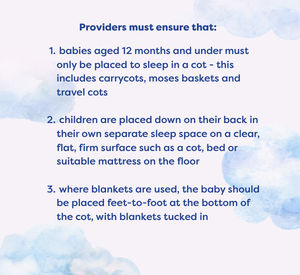
Babies and Children Must Sleep on Their Back
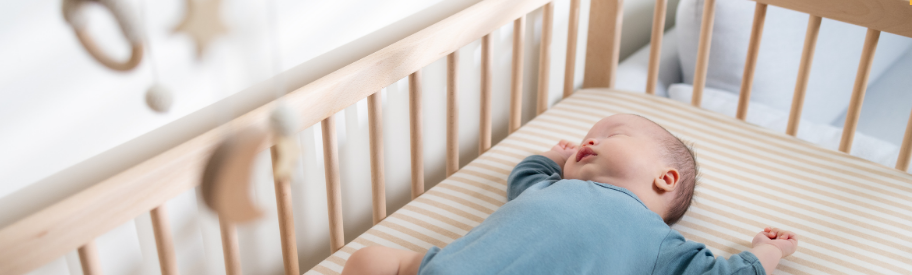
Children should be placed on their back in their own separate sleep space on a firm, flat surface such as:
- A cot
- A bed
- A floor mattress
Babies aged 12 months and under must only be placed to sleep in a cot.
Sleep Spaces Must Be Clear and Safe
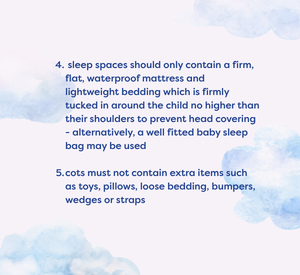
Sleep spaces should only contain:
- A firm, waterproof mattress
- Lightweight bedding that is securely tucked below the child's shoulders to prevent head covering
Alternatively, providers may use a well-fitted baby sleep bag that meets manufacturer recommendations.
Cots should not contain:
- Toys
- Pillows
- Cot bumpers
- Extra blankets
- Wedges
- Straps
Follow Safe Bedding Practices
Where blankets are used, children should be positioned feet-to-foot at the bottom of the cot, with blankets tucked in securely.
Maintain a Safe Room Temperature
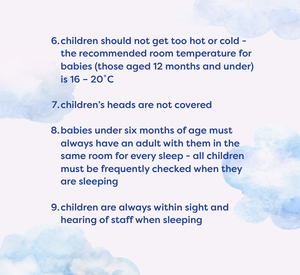
Children should not become too hot or too cold while sleeping.
The recommended room temperature for babies is between 16°C and 20°C.
Ensure Children's Heads Remain Uncovered
Providers should regularly check that bedding has not moved and that children's heads remain uncovered during sleep.
Active Supervision During Sleep
Children under six months of age must always sleep with an adult present in the same room.
In addition:
- Sleeping children should be checked frequently.
- Children must remain within sight and hearing of staff while sleeping.
What Does This Mean for Early Years Providers?
Although the statutory wording is due to be introduced in September 2026, providers should already be following these safer sleep practices.
Now is a good opportunity to review:
- Safer sleep policies and procedures
- Risk assessments
- Sleep monitoring arrangements
- Staff training records
- Parent communication processes
Ensuring staff understand the latest guidance can help create a safer sleep environment and support compliance during inspections.
Practical Steps to Take Now
To prepare for the updated EYFS requirements, providers should:
✓ Review current sleep policies
✓ Check all cots and sleep equipment meet safer sleep recommendations
✓ Update staff training where necessary
✓ Share safer sleep information with parents and carers
✓ Audit sleep environments to ensure they align with current NHS guidance
Taking proactive steps now will help ensure your setting is ready for the 2026 changes while maintaining best practice for children's safety and wellbeing.
Choosing Safe Sleep Products for Your Setting
At Early Years Resources, we understand the importance of providing products that support best practice in early years settings. Following the recent updates to EYFS safer sleep guidance, we have worked closely with our suppliers to review our sleep-related product range and confirm that products meet the relevant safety requirements for use in childcare environments.
Our range includes:
- Nursery cots
- Sleep mats and mattresses
- Bedding and fitted sheets
- Sleep room furniture
- Baby care essentials
We recommend that providers always follow manufacturer guidance when using sleep equipment and regularly inspect products for signs of wear or damage as part of their ongoing health and safety checks.
Whether you're reviewing your current sleep provision or preparing for the upcoming EYFS framework changes, choosing high-quality, safety-checked products can help support a safe and comfortable sleep environment for babies and young children.
Browse our range of sleep and baby care products to help create a safer sleep environment in your setting.
Further Information
Early years providers can access additional guidance through the DfE's Help for Early Years Providers service, alongside the latest NHS safer sleep advice.
By embedding safer sleep guidance directly into the EYFS framework, the government aims to provide greater clarity for providers and promote safer sleep environments for babies and young children across all early years settings.
Final Thoughts
The updated EYFS safer sleep guidance provides greater clarity for early years providers and reinforces the importance of consistent safe sleep practices. While the statutory changes are due to come into effect in September 2026, providers are expected to be following the requirements now. Reviewing your policies, training and sleep environments today can help ensure your setting remains compliant and, most importantly, supports the safety and wellbeing of every child in your care.