
The Benefits of Physical Play for Children
Posted by EYR Team on 20th Oct 2025
read more
Physical play is an essential part of early childhood development. From running and jumping, to climbing and dancing, active play not only helps children build strength, but it also supports their social, emotional, and cognitive growth. In today's digital world - where screen time often replaces outdoor activity - it is more important than ever to encourage physical play in early years. In this blog we explore the benefits of physical play for children and share ideas for carers and educators to integrate active play into everyday.
What is Physical Play?
Physical play refers to any activity that gets children moving and using their bodies. This can include:
-
Playground activities such as climbing, sliding, and swinging
-
Dance, movement games, or yoga
-
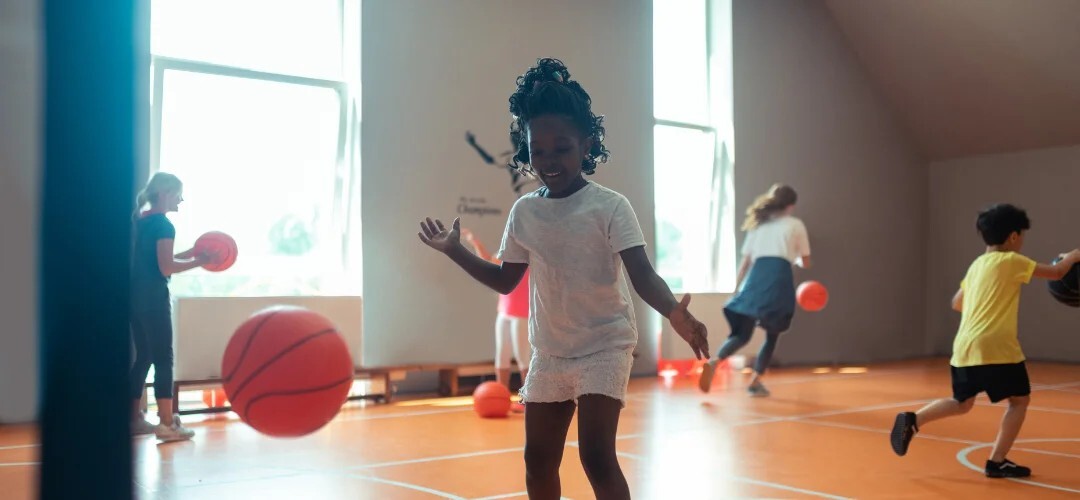
Free play that encourages running, jumping, or balancing
Physical play is not just about exercise, it's about building skills, confidence and habits that form the basis for lifelong healthy living.
Physical Health Benefits of Active Play
One of the most obvious benefits of physical play is improved health and fitness. Through regular movement, children:
- Develop strong muscles and bones
- Improve balance, coordination, and motor skills
- Maintain a healthy weight
- Build stamina and cardiovascular fitness
Active play also sets the stage for healthier lifestyle choices later in life, encouraging children to enjoy being active well into adulthood.
Cognitive & Learning Benefits
Movement doesn’t just strengthen the body—it strengthens the brain too. Research shows that physical play helps children:
- Improve focus and attention span
- Boost memory and problem-solving skills
- Develop spatial awareness and planning abilities
- Strengthen connections between the brain and body, supporting academic learning
For example, climbing a playground structure requires decision-making, risk assessment, and coordination—all of which contribute to cognitive development.
Benefits to Emotional & Mental Wellbeing
Physical play is also a powerful tool for supporting children’s mental health. Through active play, children:
- Release energy and reduce stress
- Experience improved sleep patterns
- Build resilience and confidence by trying new challenges
- Develop emotional regulation skills
Active play encourages joy and laughter—helping children feel happier, calmer, and more positive.
Social Development
Children learn vital social skills when they play together. Physical play often involves teamwork, turn-taking, and communication. Benefits include:
- Building friendships and learning cooperation
- Developing empathy and understanding of others’ needs
- Strengthening parent-child bonds when families play together
- Learning how to negotiate, share, and resolve conflicts
These skills are crucial for success not only in school but throughout life.
How much Physical Play do children need?
Experts recommend that young children (aged between 5-18 years) should have at least 180 minutes (3 hours) of physical activity every day, spread throughout the day. This should include a mix of:
- Light play (walking, stretching, gentle games)
- Energetic play (running, climbing, jumping)
- Structured activities (sports, dance, outdoor games)
Encouraging a variety of activities ensures that children develop a wide range of physical and social skills.
Practical Ideas to Encourage Physical Play
Here are some simple, fun ways to bring more movement into children’s daily lives:
- Set up an obstacle course indoors or outdoors
- Go on family nature walks or scavenger hunts
- Play classic games like hopscotch, hide-and-seek, or skipping rope
- Encourage dance parties with music at home or in the classroom
- Create outdoor play areas with balls, hoops, and climbing equipment
Remember: the key is to make play enjoyable and engaging—so children see movement as fun, not a chore.
FAQs about physical play
1. What are the main benefits of physical play for children?
Physical play improves physical health, boosts learning, supports emotional wellbeing, and strengthens social skills.
2. How much physical activity should my child get each day?
Young children should aim for at least 3 hours of varied physical activity daily, with opportunities for both light and energetic play.
3. Does indoor play count as physical play?
Yes! Dancing, yoga, or movement games indoors all count as active play and are great alternatives when outdoor play isn’t possible.
4. Why is physical play important in early years education?
Early years physical play builds the foundation for lifelong health, learning, and social development. It’s a key part of helping children thrive.
Final Thoughts
Physical play is more than just fun—it’s a crucial part of healthy childhood development. From building muscle to nurturing happier minds and boosting learning, the benefits of physical play are too important to overlook.
As parents, caregivers, and educators, we can create opportunities every day to encourage children to move, explore, and play. By doing so, we give them the tools to grow into confident, resilient, and active individuals.
Looking for more ways to support children’s physical development? Explore our selection of blog posts in which you will find activity ideas, expert advice and inspiration.
Do your resources need a top up?
Why not explore our extensive range of children’s PE & Sports Equipment, activity kits or our physical development resources to enhance your primary school’s resources? To get a better idea of what PE equipment you might need, take a look at our physical education equipment list which covers the top 10 resources you need to kickstart your physical activites.