
Sensory Play: The Importance in Early Years
Posted by EYR Team on 8th Dec 2025
read more
Sensory play is one of the most powerful learning experiences in the early years. It gives children the opportunity to explore, investigate and make sense of their surroundings through touch, sound, sight, taste and smell.
From the first time a baby squeezes a soft ball or listens to a rattle, these sensory experiences build crucial brain connections that support learning across all areas of development.
What is Sensory Play?
Sensory play refers to any activity that engages a child’s senses — sight, sound, touch, taste, smell, balance and movement. These experiences help children learn naturally by exploring and experimenting.
Through sensory play, children:
-
Strengthen their ability to observe and compare
-
Learn cause and effect
-
Build vocabulary and communication skills
-
Develop curiosity and confidence
Why is Sensory Play Important in Early Years?
Brain Development & Cognitive Growth
Sensory play helps stimulate nerve connections in brain pathways, supporting cognitive growth.
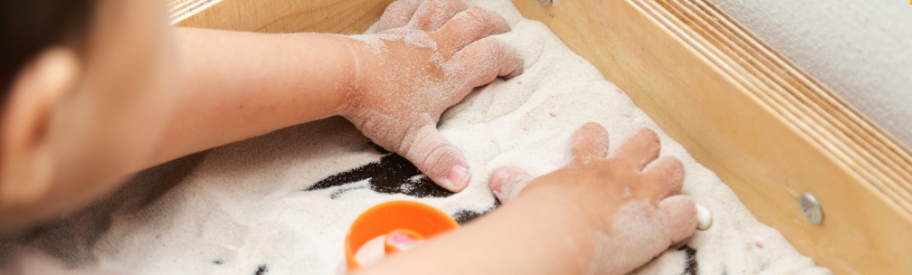
Children learn how different materials behave — pouring water, squishing dough, sifting sand — and start to make predictions about cause and effect.
This enhances:
- Early scientific thinking
- Concentration
- Memory
- Problem-solving
- Mathematical language (e.g more/less, full/empty)
Language & Communication Skills
Sensory play encourages growth in language development, especially when adults introduce new vocabulary. As children explore textures, patterns and objects, they learn to describe sensations using words like:
- Rough/smooth
- Hard/soft
- Hot/cold
- Sticky/powdery
Talking about what they are experiencing strengthens listening skills, turn-taking, and confidence with language.
Fine & Gross Motor Skills
Hands on exploration builds:
- Fine motor skills: through pinching, scooping, threading, squeezing
- Gross motor skills: through balancing, pushing, pouring, climbing
These skills form the foundations of later handwriting, self-care routines (e.g. dressing), and movement confidence.
Social & Emotional Development
Sensory play encourages children to share, cooperate and take turns, helping them build social understanding. It can also have a calming effect — repetitive actions like swirling water, squeezing dough or running fingers through sand can help children manage emotions and reduce anxiety.
Sensory exploration helps children learn self-regulation and resilience while building confidence in their abilities.
Problem Solving and Creativity
Sensory play supports critical thinking and creativity. As children experiment — for example, finding out what happens when they mix different textures or materials — they make predictions, test outcomes and explore new ideas. This hands-on learning nurtures imagination and independent thought.
Sensory Play for SEND Children
Sensory play is especially beneficial for children with Special Educational Needs and Disabilities (SEND). It supports communication, confidence and emotional wellbeing, and can be adapted to suit each child’s sensory preferences.
Creating calm, consistent sensory experiences — such as using light panels, textured fabrics or soft sounds — helps children explore at their own pace and in ways that feel comfortable.
Examples of Sensory Play
-
Sand and water trays
-
Playdough or dough tools
-
Natural materials (pinecones, shells, leaves)
-
Textured sensory bins with rice, pasta or lentils
-
Light and shadow exploration
Sensory play doesn’t need to be complicated. Everyday materials and simple setups can provide rich learning opportunities. For a full list of practical activities and setup ideas, take a look at our blog: Sensory Play in the Early Years: Activities, Ideas and Planning Tips
Sensory Play and the EYFS
Sensory play supports multiple areas of learning in the Early Years Foundation Stage (EYFS):
- Communication & Language
- Understanding the World
- Physical Development
- Personal, Social & Emotional Development
Each sensory experience promotes curiosity, confidence and creativity — key characteristics of effective learning.
Frequently Asked Questions
When should sensory play start?
From birth. Babies benefit from gentle sensory stimulation through light, sound and textures.
Do I need special equipment?
No — everyday materials work brilliantly. However, dedicated sensory trays or light tables can make setup easier.
Final Thoughts
Sensory play nurtures every area of a child’s development — physical, social, emotional and cognitive. By creating rich sensory environments, practitioners help children develop a love of discovery and a lifelong enthusiasm for learning.