
10 Minibeast Activities to Celebrate National Insect Week
Posted by EYR Team on 8th Jun 2026
read moreCelebrate all things creepy crawly this National Insect Week with minibeast activities for early years children.
We’ve put together 10 buzz-worthy ideas to learn more about this incredibly diverse group of creatures. Read on for exciting hands-on insect activity ideas - perfect for your primary school, nursery or early years setting!
What is a minibeast?
Minibeasts are small animals which often don’t have a backbone such as spiders, butterflies and worms. These little minibeasts are classed as invertebrates and are an important part of natural ecosystems as they help to pollinate plants, recycle nutrients by breaking down waste and providing food to other animals.
10 Minibeast Activities for Early Years
1. Create a Miniature Minibeast Scene
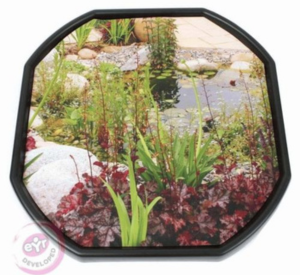
Build your own miniature world of creepy crawlies! Inspire little ones imaginations by using our In The Garden Tuff Tray Mat as your tuff spot base. Then add an array of mini insect figures, magnifiers and natural resources, such as moss and twigs, to bring your mystical minibeast scene to life!
2. Build an Insect Hotel
Explore the habitats of minibeasts! Start by getting the children to hunt outdoors for various natural resources, such as bark, leaves and straw. Then ask them to use the materials they find to recreate habitats for different insects. Take a look at our guide on how to make a minibeast hotel here for more information.
3. Go on a Minibeast Safari
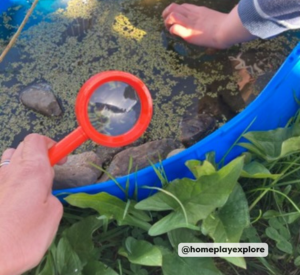
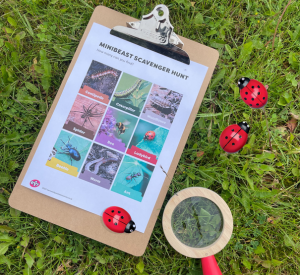
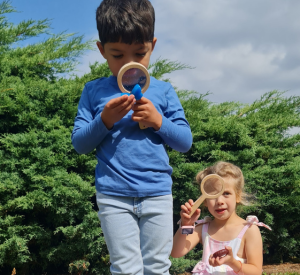
Get up close and personal with insects! Go on an exciting minibeast hunt outdoors, using pooters, jars, nets and pots to collect any bugs that the children find. Get them to keep note of any insects they recognise using a minibeast spotter sheet and let them get even closer to them with magnifiers. Looking for a kit that has everything you need for a minibeast safari? Check out our bug-hunting kit.
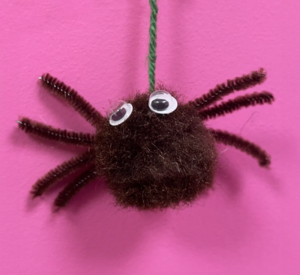
4. Make a Friendly Fluffy Spider
Time to get crafty! Let the children create their very own DIY spiders, using black pompoms, pipe cleaners, giant googly eyes and yarn for spider silk – then why not go all out with spider web print as a display backdrop or tear up cotton wool to make your own cobwebs for a spooky effect!
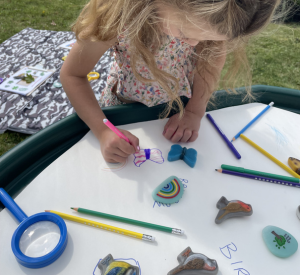
5. Invent an Imaginary Insect
Inspire creativity! Ask the children to draw up an imaginary insect with a head, body and 6 legs using coloured pencils – then organise a competition for the most inventive minibeast! Children will be challenged to think imaginatively to create their minibeast. Why not ask them questions to prompt them such as "will your minibeast fly?" or "what colour will your minibeast be?"
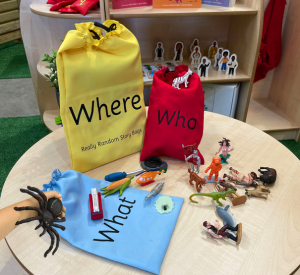
6. Make up a Creepy Crawly Story
Get imaginative with all things creepy crawly! Fill story bags with a selection of mini insects and other random objects and figures. Then pull out 3 random objects and ask the children to create stories about the different items they pull out of the bags.
7. Explore Classic Tales
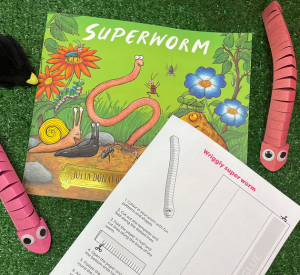
Explore the delightful world minibeasts through books such as The Very Hungry Caterpillar and Superworm! Complement the traditional tale with small world resources such as cuddly toys, ladybird life cycle figures, jigsaws and other items to enhance learning and curiosity.
8. Practice Fine Motor Skills
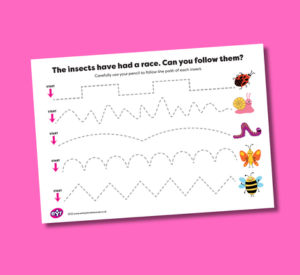
Encourage children to practice their fine motor skills with our insect race download! Children can follow the paths of the different insects using their finger or a pencil to strengthen muscles and support later writing skills.
9. Play a Ladybird Counting Game
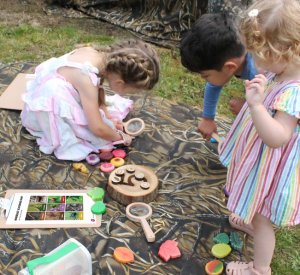
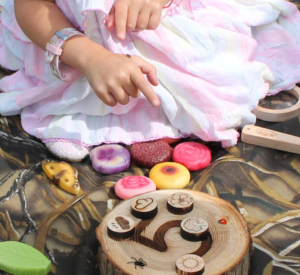
Develop children’s numeracy skills! Use these ladybug themed counting pebbles to support early maths and explore some fun activity ideas such as using minibeast songs or adapting a 5 Little Ladybirds rhyme to make your counting game even more interactive. Let’s learn to count!
10. Take care of your own Butterflies!
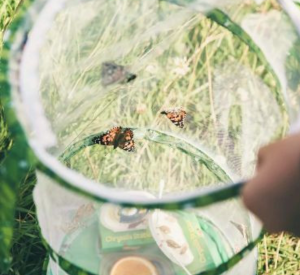
Use our Butterfly garden to house your caterpillars and watch as they go through the stages of live to transform into beautiful butterflies! This is a great way for children to learn all about the life cycle of a butterfly in a memorable and hands on way. Another great resource to take children through a lifecycle of a butterfly is to engage them with our butterfly growing kit.
Fun Minibeast Facts
- Earthworms have 5 hearts. These 5 aortic arches are made up of muscular blood vessels that pump blood around the worm’s body.
- The word centipede means “a hundred legs” but most centipedes will have around 30 legs.
- Not all minibeast are mini! The longest worm ever found in the UK was a whopping 40cm long!
- Some insects can survive without their heads as they don’t rely on a single central brain to control everything. Cockroaches can survive for more than a week!
It’s time to head on an exciting minibeast safari…!
We would love to know what activities your children get up to this insect week! So don’t forget to share your National Insect Week photos with us on our Facebook or Instagram and tell us which activity was your favourite.