7 Benefits of Height Adjustable Classroom Furniture for Schools and Nurseries
Posted by EYR Team on 28th Sep 2026
read more
Choosing the right furniture is important for any early years setting. Tables and chairs need to be comfortable, practical and suitable for the children using them.
Traditional furniture is often designed for a fixed age or height range. Children can quickly outgrow it as they develop.
Height adjustable furniture offers a more flexible solution. Tables and desks can be adjusted to suit different children, activities and learning needs.
In this guide, we look at the key benefits of height adjustable classroom furniture and how to choose the right options for your setting.
What Is Height Adjustable Classroom Furniture?
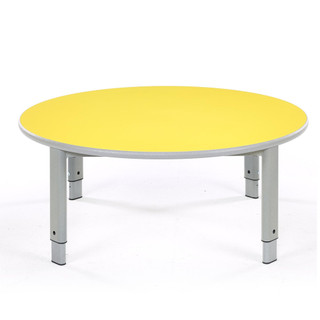
Height adjustable furniture is designed to allow the height of tables and desks to be changed depending on the needs of the learners using them.
Unlike fixed-height furniture, adjustable tables can be used by children of different ages, heights and abilities. This makes them a useful choice for nurseries, schools and mixed-age settings.
They can be used for a range of activities, including:
- Creative activities
- Group learning
- Independent work
- Practical tasks
- Writing and drawing
1. Supports Comfort and Good Posture
Children spend a lot of time sitting, drawing, writing and playing at tables. Furniture that is too high or too low can be uncomfortable.
Height adjustable tables can be set to suit each child. This can help them sit comfortably and maintain a suitable working position.
A comfortable learning environment can encourage little ones to:
- Sit correctly while completing activities
- Maintain concentration for longer periods
- Feel more confident when participating
- Develop independence during classroom tasks
2. Creates More Inclusive Learning Environments
Every child has different needs. Flexible furniture can help settings create spaces that work for a wider range of learners.
Height adjustable furniture can help create more inclusive environments by allowing tables to be adapted for children with different heights, abilities and mobility requirements.
For example, adjustable tables can provide additional accessibility for:
- Children with SEND requirements
- Little learners who use mobility aids
- Mixed-age classrooms
- Settings supporting individual learning needs
Adjusting the furniture to suit the child can help create a more comfortable and accessible learning environment.
3. Provides Flexibility for Different Learning Activities
Early years settings support many different activities throughout the day. Furniture needs to be flexible enough to keep up.
Height adjustable tables can be adapted for:
- Creative play
- Messy play
- Group activities
- STEM activities
- Reading and writing tasks
- Independent learning
The ideal table height can vary depending on the activity. Adjustable furniture makes it easier to change the space when needed.
4. A Cost-Effective Long-Term Investment
Height adjustable furniture can cost more than fixed-height furniture. However, it can offer better value over time.
Children grow quickly, and fixed furniture may need to be replaced as they move through different age groups.
Adjustable furniture offers several long-term benefits. It can
- Be used across multiple year groups
- Adapt as children grow
- Reduce the need for frequent replacements
- Support changing classroom requirements
For schools and nurseries, this can make adjustable furniture a practical long-term choice.
5. Encourages Independence and Confidence
Furniture that is the right size can help children feel comfortable and confident when completing everyday tasks.
When children can easily access resources and take part in activities, they have more opportunities to work independently.
Well-designed classroom environments help children develop important skills including:
- Problem solving
- Independence
- Collaboration
- Decision making
6. Supports Modern Flexible Classroom Design
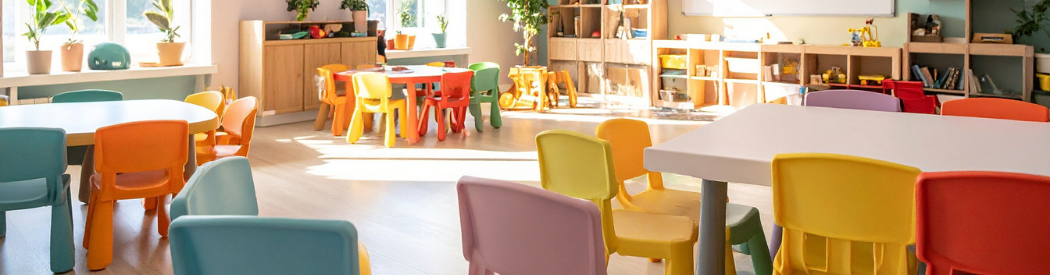
Today's classrooms are increasingly designed around flexible learning rather than traditional rows of desks.
Height adjustable furniture supports this approach by allowing spaces to change throughout the day.
A classroom can quickly change between:
- Individual learning areas
- Group discussions
- Creative workshops
- Practical activities
without needing to replace furniture or compromise on comfort.
Flexible furniture helps practitioners create environments that respond to children's changing needs.
7. Suitable for Different Ages and Stages of Development
One of the biggest advantages of adjustable furniture is its ability to grow with children.
Early years settings often support children across different developmental stages, meaning one fixed furniture size may not be suitable for everyone.
Adjustable tables provide flexibility for:
- Nursery children
- Reception classrooms
- Mixed-age settings
- Child-led learning environments
This makes them a versatile choice for many educational settings.
How to Choose Height Adjustable Furniture for Your Setting
When selecting adjustable furniture, consider:
Adjustable height range
Ensure the furniture can accommodate the ages and sizes of children using it.
Durability and materials
Look for strong, easy-clean materials designed to withstand everyday classroom use.
Safety features
Look for furniture with:
- Rounded edges
- Stable frames
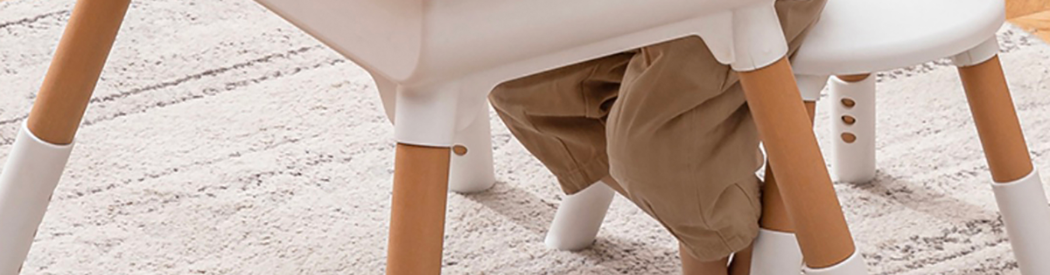
- Secure adjustment mechanisms
Classroom requirements
Think about how the furniture will be used throughout the day and whether it supports your teaching approach.
Read more about how to pick the right early years furniture
Frequently Asked Questions
Are height adjustable tables suitable for nurseries?
Yes. Height adjustable tables are particularly useful in nurseries because children develop quickly and may have different requirements depending on their age and stage.
Are adjustable classroom tables worth the investment?
Yes. While they may cost more initially, adjustable tables can provide better long-term value because they can be adapted as children grow.
What are the benefits of adjustable classroom furniture?
The main benefits include improved comfort, greater flexibility, accessibility, longer lifespan and support for different learning activities.
Can height adjustable furniture support SEND classrooms?
Yes. Adjustable furniture can help create more accessible learning environments by allowing furniture heights to be adapted to individual requirements.
Conclusion
Height adjustable furniture offers a flexible option for schools and nurseries. It can support children's comfort, independence and participation in learning.
By choosing furniture that can adapt to children's needs, settings can create practical and inclusive learning spaces that work for different ages and activities.

Most Popular Furniture Resources
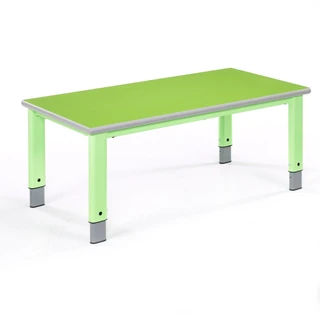
Height Adjustable Table Rectangle
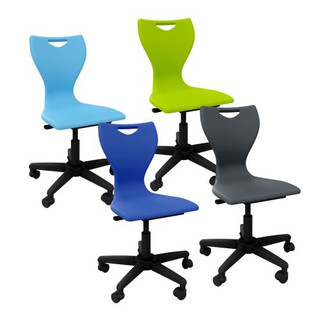
Height Adjustable Computer Chair
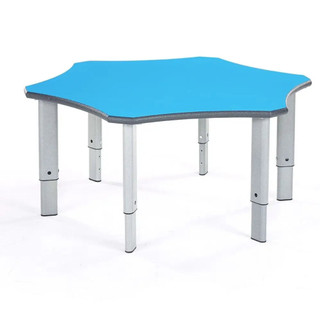
Height Adjustable Table Flower
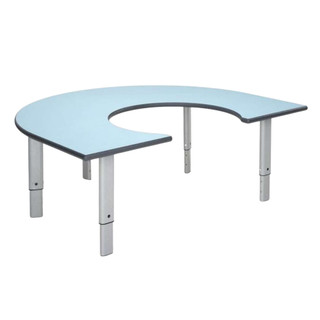
Height Adjustable Table Rainbow
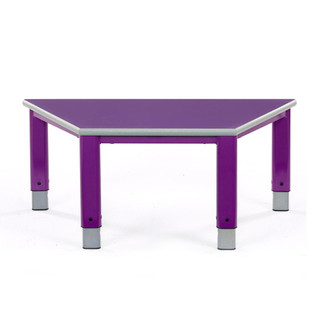
Height Adjustable Table Trapezoidal
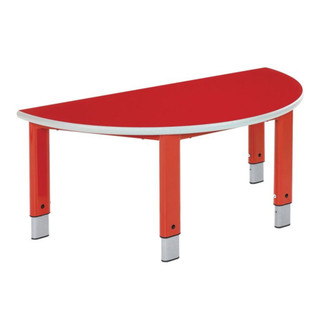
Height Adjustable Table Semi-Circular