
How to Choose the Right Early Years Furniture for EYFS Settings
Posted by EYR Team on 11th May 2026
read more
Choosing the right early years furniture is essential for creating a safe, engaging and developmentally appropriate learning environment. In EYFS settings, furniture does far more than fill a room — it supports independence, promotes learning behaviours and helps children feel secure and confident in their surroundings.
This guide explores the key types of early years furniture, what to look for when selecting each item, and how they contribute to effective nursery and classroom design.
Why Early Years Furniture Matters in EYFS Environments
Early years furniture plays a central role in shaping how children learn, interact and develop within nursery and classroom settings.
Well-designed furniture helps to:
- Support healthy posture and physical development
- Encourage independence and self-directed learning
- Improve classroom organisation and safety
- Create calm, structured and engaging learning spaces
- Support EYFS learning goals across all areas of development
Choosing the right furniture is not just about practicality — it directly impacts children’s comfort, behaviour and learning outcomes.
What to consider when selecting furniture:
- If the piece is sturdy, durable and able to withstand busy environments
- Free from sharp edges and corners
- Age and size-appropriate
- Comfortable and safe
- Foldable and space-saving if your setting is limited in space
- Easy to move around so you can make the most effective use of space when necessary
Most importantly, you should consider investing in quality resources that will last for years to come and contribute towards creating a motivating environment.
Types of Early Years Furniture to Consider
When planning an EYFS classroom or nursery environment, it’s important to think about how each type of furniture supports different areas of learning and development.
Key categories include:
- Tables and chairs
- Storage units
- Reading corner furniture
- Sensory furniture
- Soft play furniture
- Outdoor furniture
Each plays a specific role in creating a well-balanced and effective learning environment.
Tables and Chairs in Early Years Settings
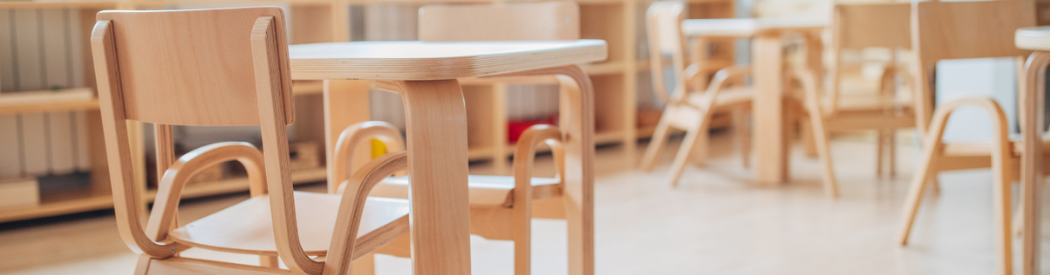
Tables and chairs are essential in any EYFS classroom as they provide children with a structured space for learning, creativity and collaboration.
Why size and ergonomics matter
Correctly sized furniture is critical for children’s comfort and development. If tables or chairs are too high or too low, children may experience poor posture, discomfort, or strain on their back, neck and arms.
Appropriately sized furniture helps children:
- Sit comfortably with good posture
- Reach and use learning materials independently
- Participate in activities with minimal adult support
- Develop fine motor skills through writing, drawing and cutting
By ensuring furniture is designed for their height and developmental stage, children are better able to focus on learning rather than physical discomfort.
Storage Units for Early Years Classrooms
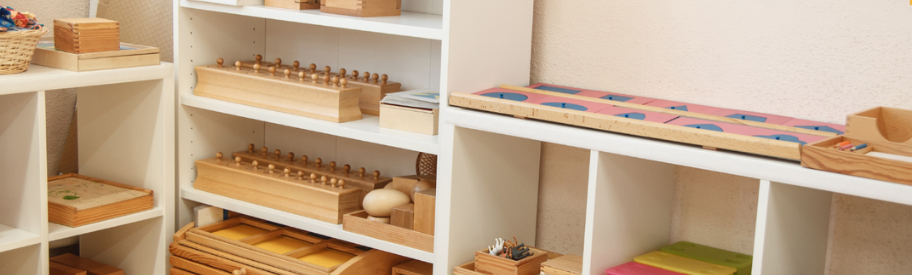
Storage units are a vital part of any well-organised early years environment.
They help create structured, accessible spaces where children can independently choose and return resources such as toys, books and learning materials.
Benefits of effective storage
Child-height storage supports:
- Independence and self-selection of resources
- Responsibility and organisation skills
- A tidy and safe learning environment
- Reduced clutter and fewer trip hazards
When children can see and access resources easily, they become more confident in managing their own learning experiences.
Reading Corner Furniture in EYFS Settings
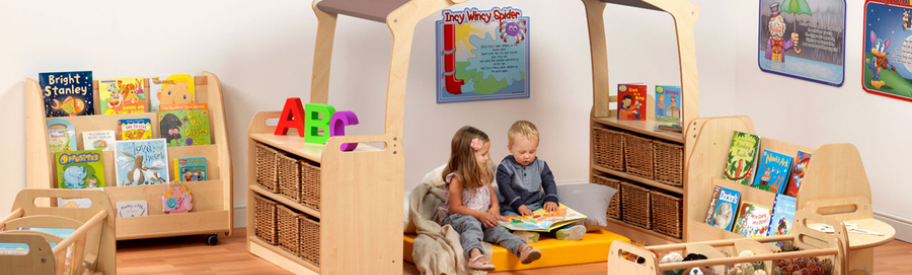
A well-designed reading corner helps nurture early literacy skills and encourages a lifelong love of reading. This area should feel calm, inviting and comfortable so children are naturally drawn to spend time there.
Creating an effective reading space
Reading corners can include:
- Low bookshelves
- Soft seating such as bean bags or cushions
- Small armchairs or child-sized seats
- Reading tents or enclosed cosy spaces
Why reading corners matter
A well-equipped reading area:
- Supports early literacy development
- Encourages independent and shared reading
- Helps children relax and regulate emotions
- Builds communication and social skills through shared storytelling
Even reluctant readers are more likely to engage when the space feels welcoming and comfortable.
Sensory Furniture in Early Years Environments
Sensory furniture is particularly important in inclusive EYFS settings, especially for children with Special Educational Needs and Disabilities (SEND).
These resources help children explore their environment in a multi-sensory way, supporting both learning and emotional regulation.
Examples of sensory furniture
Sensory spaces may include:
- Sensory tables and tactile trays
- Textured cushions and seating
- Fidget tools and sensory objects
- Interactive or tactile boards
Benefits of sensory furniture
Sensory resources can help children:
- Develop fine motor and coordination skills
- Improve focus and concentration
- Self-regulate emotions and reduce anxiety
- Engage with learning in personalised ways
In some settings, dedicated sensory rooms may also be used to provide a more controlled sensory environment for children who need additional support.

Soft Play Furniture in EYFS Settings
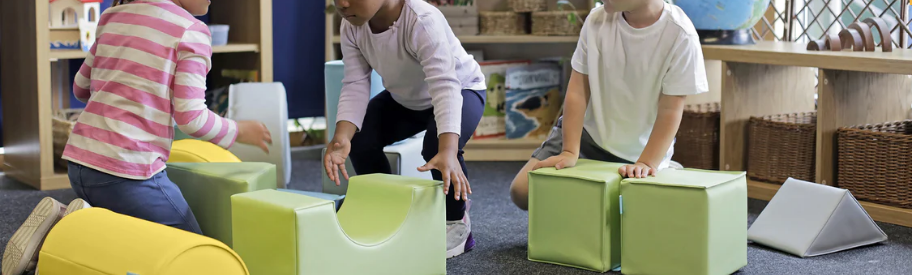
Soft play furniture provides safe opportunities for physical development and active learning.
These resources encourage children to explore movement in a secure and supportive environment.
Common soft play equipment
Soft play areas may include:
- Foam climbing blocks
- Soft mats and padded flooring
- Tunnels and crawl spaces
- Balance beams
- Cushioned seating and shapes
Developmental benefits
Soft play furniture supports:
- Gross motor skill development
- Balance, coordination and spatial awareness
- Physical confidence and risk-taking in a safe environment
- Active and imaginative play
Choosing durable, easy-to-clean and appropriately sized equipment ensures long-term usability and safety.
Outdoor Furniture for Early Years Learning
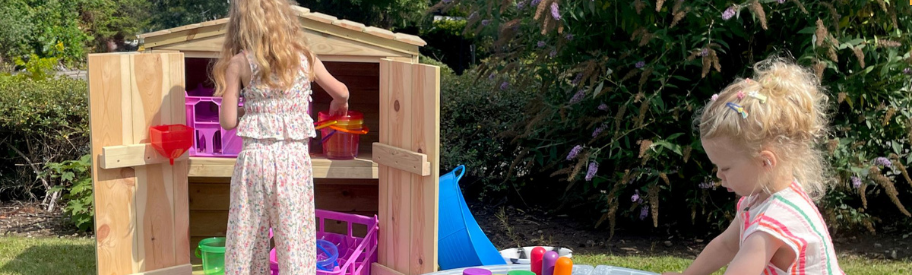
Outdoor learning is a key part of the EYFS framework, and the right furniture helps maximise its impact.
Outdoor environments encourage exploration, physical activity and imaginative play in a natural setting.
Examples of outdoor furniture
Outdoor learning spaces may include:
- Picnic tables and seating areas
- Sand and water play tables
- Mud kitchens
- Stepping stones and balancing equipment
- Outdoor storage and activity stations
Why outdoor furniture is important
Well-designed outdoor furniture:
- Encourages physical development through movement
- Supports imaginative and creative play
- Promotes teamwork and social interaction
- Enhances wellbeing through outdoor learning experiences
Durability and safety are essential to ensure furniture withstands daily use in all weather conditions.
Creating an Effective EYFS Learning Environment
The most effective early years environments are those that combine all furniture types in a purposeful and well-organised way.
A balanced classroom should support:
- Independent learning
- Active and quiet zones
- Physical and sensory development
- Clear structure and accessibility
When furniture is carefully planned, it becomes a powerful tool for improving engagement, behaviour and learning outcomes.
Frequently Asked Questions About Early Years Furniture
What furniture is needed in an EYFS classroom?
An effective EYFS classroom typically includes tables and chairs, storage units, reading corner furniture, sensory resources, soft play equipment and outdoor learning furniture. Each type supports different areas of development, from literacy and numeracy to physical and social skills.
Why is early years furniture important?
Early years furniture is essential because it directly impacts children’s learning, comfort and independence. Properly designed furniture supports good posture, encourages safe movement, promotes self-directed learning and helps create structured, engaging classroom environments aligned with EYFS principles.
What should you look for when choosing nursery furniture?
When selecting nursery furniture, it is important to consider safety, durability, age-appropriateness, ease of cleaning and flexibility. Furniture should be child-height to promote independence and designed to support different types of learning activities, from quiet reading to active play.
How does early years furniture support child development?
Early years furniture supports physical development through posture and movement, cognitive development through structured learning spaces, and social development through shared activities. It also encourages independence by allowing children to access and manage their own resources.
What makes EYFS furniture safe?
Safe EYFS furniture is stable, well-constructed, and designed with rounded edges, non-toxic materials and appropriate sizing for young children. It should meet relevant safety standards and be suitable for daily use in busy early years environments.
How do you design an effective EYFS classroom layout?
An effective EYFS layout divides the classroom into clear learning zones such as reading, creative play, construction, sensory and quiet areas. Furniture should be arranged to support movement, accessibility and independence while maintaining clear sightlines for supervision and safety.
This blog has been written with the help of Eva Henderson, Marketing Assistant at Spencer Clarke Group, a specialist education recruitment agency based in the North West of England. Spencer Clarke Group works nationwide, supporting schools, nurseries, alternative provisions and multi-academy trusts in finding experienced teaching and support staff across temporary, permanent and temp-to-perm roles.
In 2025, Spencer Clarke Group was awarded Best Public/Third Sector Recruitment Agency and Best Temporary Recruitment Agency at the Recruiter Awards. In 2024, the company was also named Recruitment Agency of the Year.