

A Complete Classroom Set Up Guide
Posted by EYR Team on 2nd Feb 2026
read moreCreating a well-planned classroom environment is crucial in supporting children’s learning, development and wellbeing. A thoughtfully designed classroom doesn’t just look inviting, it can help children to feel safe, confident and ready to learn whilst also supporting educators to deliver high-quality provision.
In this complete classroom set up guide, we’ll cover what you might want to consider when designing or refreshing your learning space. From assessing your room and planning learning zones, to choosing the right furniture and providing inclusive SEND solutions, this guide is designed to support early years and primary practitioners at every stage.
Table of Contents
- Why Classroom Set Up Matters
- Start With a Classroom Audit
- Plan Clear Learning Zones
- Choosing the Right Classroom Furniture
- Smart Storage Solutions That Support Learning
- SEND Classroom Storage and Inclusive Design
- Creating Calm, Purposeful Spaces
- Refreshing Your Classroom Over Time
Why Classroom Set Up Matters
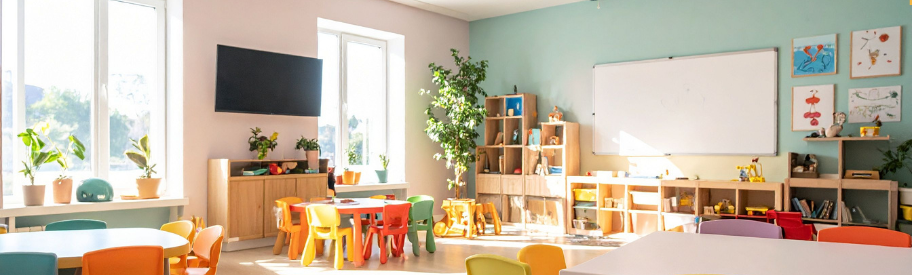
The classroom environment plays a vital role in how children learn, interact and engage. Often described as an extra “teacher” itself, the space can encourage curiosity, independence and positive behaviour when it is well organised and accessible.
A strong classroom set up can:
- Support independent learning and independent choice
- Reduce clutter and overwhelm
- Create clear routines and expectations
- Support inclusivity and accessibility for all learners.
By investing time in your classroom layout and furniture choices, you can create an environment that works for all.
Start With a Classroom Audit
Before moving your existing furniture or buying new resources, its important to take a step back and assess your existing space.
Questions to Ask Before you Begin
- How do children currently move around the room?
- Which areas feel busy or overcrowded?
- Are resources easy for children to see and access?
- Is storage taking up valuable learning space?
- Are all areas accessible for children with additional needs?
A classroom audit helps you to identify what is working well and what needs adjusting, ensuring any changes are purposeful rather than purely aesthetic.
Plan Clear Learning Zones
Zoning your classroom helps children understand expectations and supports smooth transitions throughout the day. Clearly defined areas also help practitioners maintain organisation and flow.
Common Early Years Classroom Zones
- Reading and quiet area – calm, comfortable spaces with soft seating and low shelving
- Creative and malleable area – tables, storage for art materials, and easy-clean surfaces
- Construction and small world – open shelving and accessible storage for resources
- Role play area – flexible furniture that can adapt to different themes
- Maths and investigation – organised storage with clearly labelled resources
- Sensory or calm space – particularly important for SEND learners who may need regulation time
Using furniture to subtly divide spaces — such as low shelving units — helps maintain visibility while defining each area.
Choosing the Right Classroom Furniture
Furniture is the backbone of your classroom set up. The right pieces should be practical, durable and flexible enough to adapt to changing needs throughout the year.
Key Furniture Considerations
- Child-height furniture to promote independence
- Flexible tables and modular seating for group or individual work
- Multi-purpose units that support different activities
- Rounded edges and robust materials for safety and longevity
Well chosen furniture supports effective learning while keeping the classroom organised and clutter free. For more on how to choose the best furniture for your setting, check out our dedicated blog.
Smart Storage Solutions That Support Learning
Storage should support learning — not dominate the room. Overly bulky or poorly placed storage can restrict movement and limit opportunities for play.
Effective Classroom Storage Tips
- Choose low-level storage so children can access resources independently
- Use open shelving to encourage self-selection and responsibility
- Label shelves with pictures and words to support understanding
- Keep frequently used resources visible and within reach
Thoughtful storage solutions free up space, improve organisation and support smoother daily routines. For more storage solution suggestions, take a look at our blog: Simple Storage Solutions & Hacks for your Classroom
SEND Classroom Storage and Inclusive Design
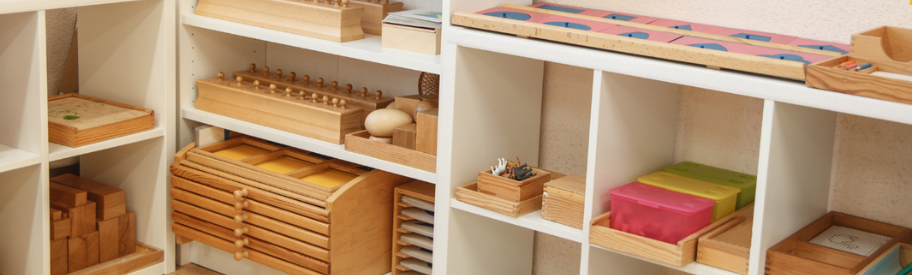
Inclusive classrooms benefit everyone. For children with SEND, the environment can make a significant difference to confidence, engagement and independence.
SEND-Friendly Storage and Layout Features
- Clearly defined areas to reduce sensory overload
- Storage units with clear labels, colour coding or symbols
- Easily accessible trays and drawers
- Furniture that supports calm, predictable routines
Dedicated SEND classroom storage solutions can help all children manage transitions, find resources independently and feel more secure within the environment.
Creating Calm, Purposeful Spaces
Not every area of the classroom needs to be busy. Calm, neutral spaces are essential for emotional regulation and focus.
How Furniture and Layout Can Support Calm
- Use soft furnishings and muted colours in quiet areas
- Avoid overloading walls and shelves with resources
- Position calm zones away from high-traffic areas
- Use storage to reduce visual clutter
Balanced environments support both active learning and moments of rest and reflection. For complete classroom themes with specially selected resources, why not take a look at our Nature's Nook range or Scandi Minimalist range to take the thinking out of your planning?

Refreshing Your Classroom Over Time
A classroom doesn’t need a full redesign every term. Small, intentional changes can keep the environment effective and engaging.
Simple Refresh Ideas
- Rotate resources rather than adding more
- Reconfigure furniture to suit new topics or cohorts
- Review SEND needs regularly and adapt storage accordingly
- Ask children for feedback on what helps them learn
Flexibility is key to maintaining a classroom that grows with your learners.
Final Thoughts – Building a Classroom That Works for Everyone
A successful classroom set up balances structure with flexibility, calm with creativity, and organisation with accessibility. By carefully considering layout, furniture, storage and inclusivity, you can create a space that supports learning, independence and wellbeing for every child.
Whether you are setting up a brand-new classroom or refreshing an existing space, investing in the right furniture and SEND-friendly storage solutions can make a lasting difference — not just to how your classroom looks, but to how it feels and functions every day.
