

7 Activity Ideas for British Science Week and Beyond
Posted by EYR Team on 31st Dec 2018
read more
British Science Week is a fantastic opportunity to get young children curious about the world around them. Through simple, hands-on experiments and playful investigations, children can explore how things work, ask questions and discover exciting scientific ideas.
You don't need complicated equipment or a dedicated science area to get started. Everyday materials, a little imagination and plenty of opportunities to explore are often all you need.
We've put together 7 easy science activities for early years settings that encourage children to investigate, predict, observe and experiment. They're ideal for British Science Week and can be enjoyed throughout the year as part of your everyday provision.
1. Grow Your Own Seeds
Help children discover what plants need to grow with this simple seed-planting activity.
You'll need:
- Seeds, such as cress, beans or sunflowers
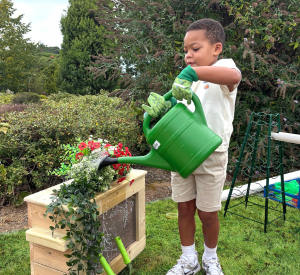
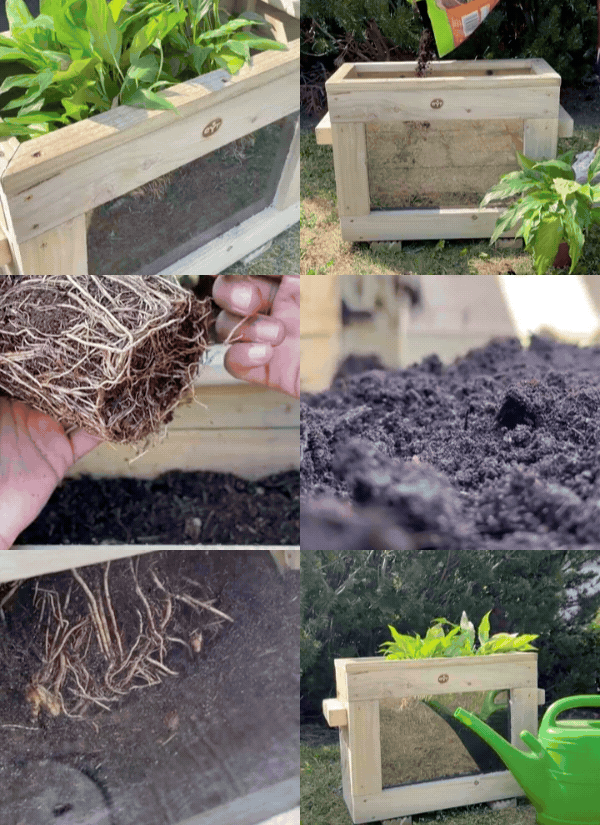
- Small pots or recycled containers (why not try our watch me grow planter to be able to watch roots grow through the perspex screen?)
- Soil or cotton wool
- Water
- Labels and pencils
What to do:
- Give each child a pot or container to fill with soil or damp cotton wool.
- Help them plant their seeds and add a little water.
- Place the containers somewhere suitable, such as a sunny windowsill.
- Encourage children to check their seeds regularly and observe any changes.
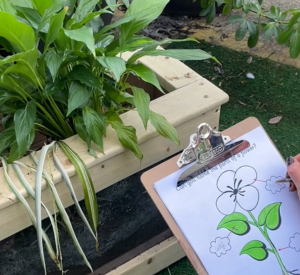
- Measure growth or draw pictures of what they notice.
What will children learn?
Children can explore what plants need to grow, notice changes over time and begin to understand living things. They can also practise counting, measuring and recording their observations.
EYFS links: Understanding the World, Mathematics, Communication and Language.
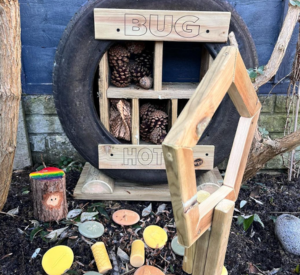
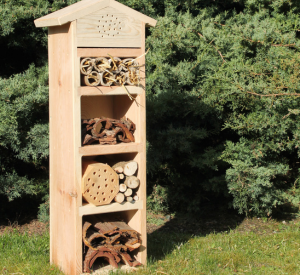
2. Build a Bug Hotel
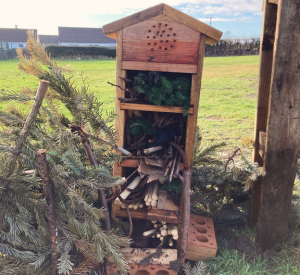
Encourage children to discover the minibeasts living in their outdoor environment by creating a welcoming habitat for small creatures.
You'll need:
- Twigs and small logs
- Pine cones
- Dry leaves
- Hollow bamboo canes
- A sturdy wooden crate or suitable container
What to do:
- Explore the outdoor area with children and look for places where minibeasts might live.
- Collect suitable natural materials, avoiding anything sharp or unsafe.
- Arrange the materials in a sturdy container, creating small gaps and spaces.
- Place the bug hotel in a quiet, sheltered outdoor spot.
- Revisit it regularly to look for signs of wildlife.
What will children learn?
Children can investigate habitats, compare natural materials and begin to understand how living things depend on their environments. Encourage them to ask questions such as, “Which creatures might live here?” and “Why do you think they chose that space?”
EYFS links: Understanding the World, Communication and Language, Personal, Social and Emotional Development.
3. Rescue Toys from the Ice
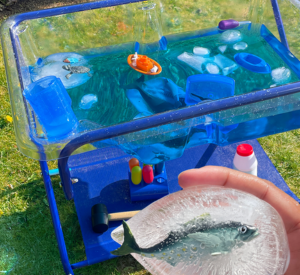
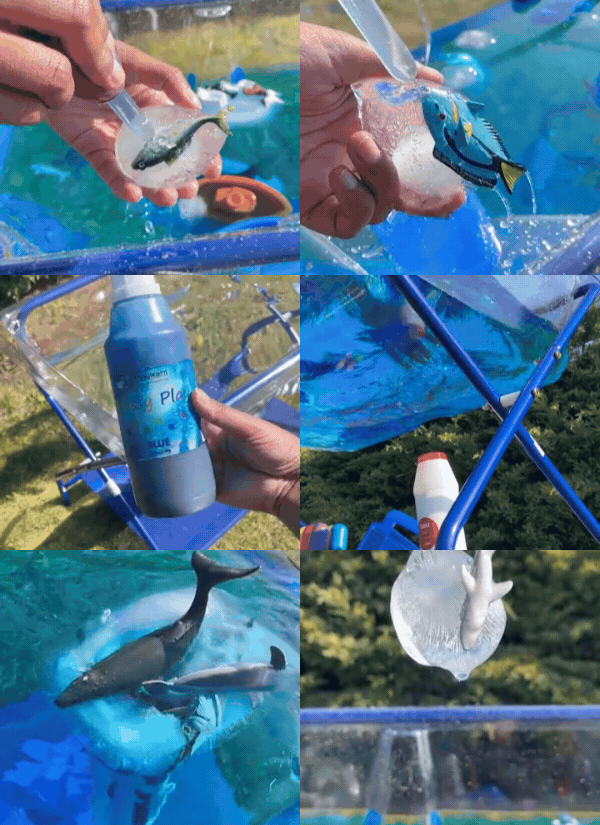
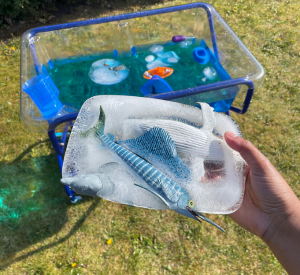
Turn a chilly discovery into an exciting investigation by freezing small toys or objects in blocks of ice.
You'll need:
- Small, age-appropriate waterproof toys
- Plastic containers
- Water
- Trays
- Droppers, spoons and small jugs
What to do:
- Place a few suitable toys in containers of water and freeze them.
- Once frozen, place the ice blocks on trays.
- Ask children how they might free the toys.
- Offer droppers, spoons and small amounts of warm water for them to experiment with.
- Talk about what happens as the ice begins to melt.
What will children learn?
Children can explore freezing and melting, make predictions and compare different ways of melting ice. They'll also develop fine motor skills as they squeeze droppers and manipulate tools.
EYFS links: Understanding the World, Physical Development, Communication and Language.
4. Make Straw Rockets
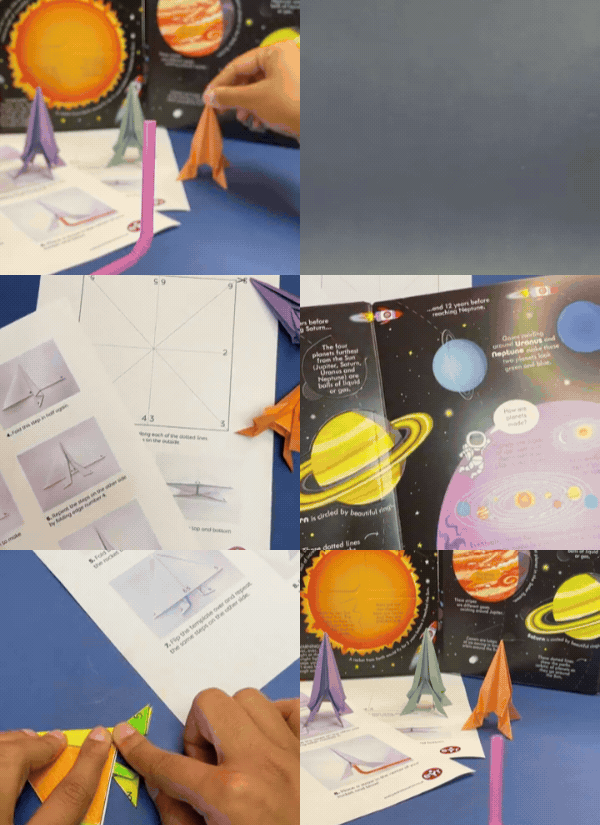
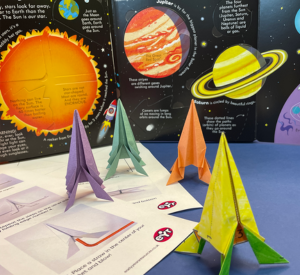
Introduce children to movement and forces with a simple rocket-making challenge.
You'll need:
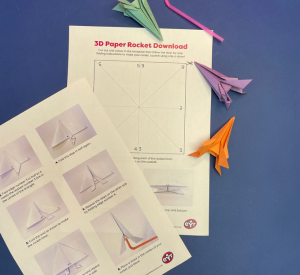
- Rocket template
- Drinking straws
- Sticky tape
- Pencils and crayons
- Scissors, used by an adult or with appropriate supervision
What will children learn?
Children can explore how air makes objects move, compare how far different rockets travel and begin to investigate cause and effect.
Ask questions such as, “What do you think will happen if we change the shape?” or “How could we make our rocket travel further?”
EYFS links: Understanding the World, Mathematics, Expressive Arts and Design.
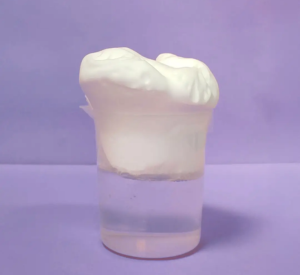
5. Make a Rain Cloud in a Jar
Bring the weather to life with a simple demonstration of how water can pass through a cloud and fall as rain.
You'll need:
- A clear jar or transparent container
- Water
- Shaving foam
- A small amount of diluted food colouring
- A dropper or pipette
What to do:
- Fill the jar most of the way with water.
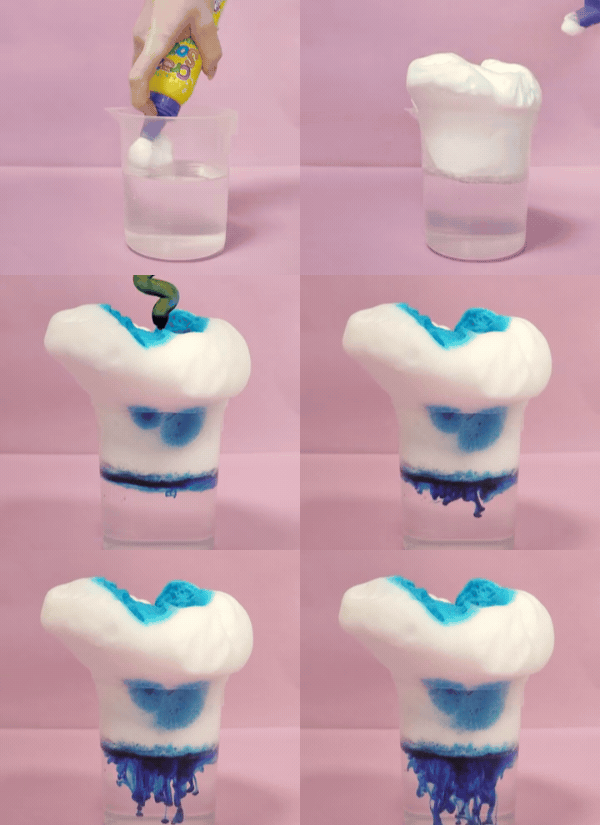
- Add a layer of shaving foam on top to represent a cloud.
- Give children droppers containing diluted food colouring.
- Let them add drops of colour to the foam.
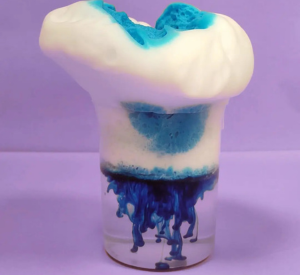
- Watch as the colour eventually travels through the foam and into the water below.
What will children learn?
Children can observe how liquid moves through different materials and begin to talk about rain and clouds. The activity is a useful starting point for conversations about weather and the water cycle.
EYFS links: Understanding the World, Communication and Language, Mathematics.
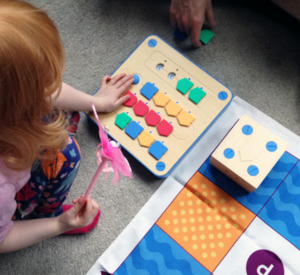
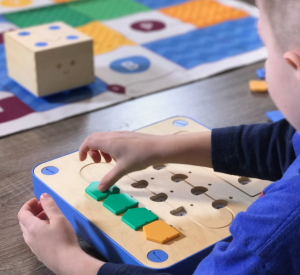
6. Create a Simple Coding Maze
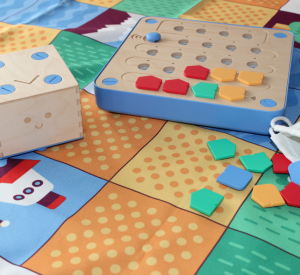
Children can begin learning the foundations of coding without a computer. A simple maze encourages them to think about instructions, order and how to solve a problem.
You'll need:
- Floor tiles, paper squares or masking tape
- Arrow cards
- A small toy or age-appropriate programmable robot
- A simple start and finish point
What to do:
- Create a grid on the floor or table.
- Place a toy at the starting point and choose a destination.
- Ask children to arrange arrow cards to show the route.
- Follow the instructions one step at a time.
- If the toy doesn't reach the destination, help children work out which instruction to change.
What will children learn?
Children can practise sequencing, logical thinking, problem-solving and working together. They also learn that instructions need to be in the correct order to achieve a result.
EYFS links: Mathematics, Communication and Language, Personal, Social and Emotional Development.
7. Try the Walking Water Experiment
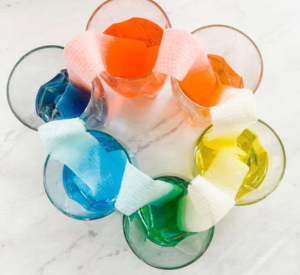
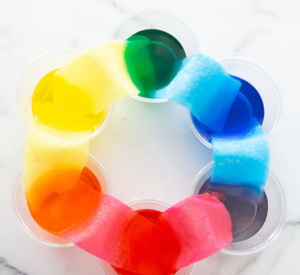
Can water walk from one container to another? This colourful experiment lets children observe how water travels along paper towels, creating a fun introduction to absorption and movement.
You'll need:
- Three or more clear plastic cups or containers
- Water
- Food colouring in different colours
- Paper towels
- A tray to catch any spills
What to do:
- Arrange the cups in a row, leaving a small gap between each one.
- Fill alternate cups with water and add a few drops of food colouring. Leave the cups in between empty.
- Fold paper towels into long strips.
- Place one end of each strip into a cup of coloured water and the other end into an empty neighbouring cup.
- Leave the experiment in place and encourage children to observe what happens.
- Watch as the coloured water travels up the paper towels and into the empty cups. Over time, the colours may begin to mix.
What will children learn?
Children can explore how water is absorbed by paper towels and moves through tiny spaces in the paper fibres. This process is known as capillary action. They'll also have opportunities to make predictions, observe changes and explore what happens when different colours mix.
EYFS links: Understanding the World, Communication and Language, Mathematics.

How Do These Activities Support the EYFS?
Science activities offer opportunities to support several areas of the Early Years Foundation Stage (EYFS). The key is to follow children's interests, encourage exploration and provide opportunities for them to talk about what they discover.
|
EYFS area |
How science activities can help |
|---|---|
|
Understanding the World |
Exploring living things, materials, weather and the natural environment |
|
Communication and Language |
Asking questions, making predictions and explaining observations |
|
Mathematics |
Counting, comparing sizes, measuring growth and spotting patterns |
|
Physical Development |
Using droppers, handling tools and developing hand-eye coordination |
|
Personal, Social and Emotional Development |
Sharing resources, taking turns and persisting with challenges |
|
Expressive Arts and Design |
Designing, building, creating and testing inventions |
You don't need every activity to cover every area. Choose activities that suit your children's ages, interests and stage of development, and build on the learning that emerges naturally through play.
Tips for Making Science Fun in Your Early Years Setting
A successful science activity doesn't need to have a perfect result. The most valuable learning often happens when children ask questions, try something unexpected or discover that their first idea doesn't work.
Here are a few ways to make the most of science in your setting:
-
Encourage curiosity. Give children time to explore materials and investigate their own ideas.
-
Ask open-ended questions. Try “What do you notice?”, “What do you think will happen?” and “How could we find out?”
-
Make predictions together. Invite children to share their ideas before testing them.
-
Allow children to repeat activities. Repetition helps them notice patterns and explore what happens when they change one thing.
-
Use everyday materials. Water, ice, leaves, cardboard and recycled containers can all provide opportunities for discovery.
-
Record observations. Take photographs, draw pictures or make simple marks to show how something changes over time.
-
Follow children's interests. If children become fascinated by bugs, shadows or moving objects, use that interest as the starting point for further exploration.
-
Keep safety in mind. Choose age-appropriate materials, supervise activities and complete any necessary risk assessments for your setting.
What Is British Science Week?
British Science Week is an annual celebration of science, technology, engineering and mathematics (STEM). It encourages people of all ages to explore scientific ideas and discover how science connects with everyday life.
Early years settings can take part in simple ways, from investigating the natural world to building, testing and creating. You don't need specialist equipment or a formal science lesson: playful, hands-on experiences can help young children develop curiosity and confidence in asking questions.
Frequently Asked Questions
What are some easy British Science Week activities for early years?
Easy activities include growing seeds, exploring melting ice, making bubbles, testing which materials absorb water and building simple straw rockets. These activities use familiar materials and encourage children to predict, observe and investigate.
How can I introduce science to preschool children?
Start with activities connected to children's everyday experiences. Exploring puddles, watching plants grow, playing with water or investigating shadows can all introduce scientific ideas. Encourage children to ask questions, make predictions and describe what they notice.
Do science activities support the EYFS?
Yes. Science-based play can support Understanding the World, Communication and Language, Mathematics and other areas of learning. Activities can encourage children to explore their environment, compare objects, develop vocabulary and solve problems.
Do I need special equipment for early years science?
No. Many engaging science activities use everyday items such as paper, water, ice, seeds, cardboard and recycled materials. Always check that materials are suitable for the children's ages and supervise activities appropriately.
Can I use these activities all year round?
Absolutely. Although they're ideal for British Science Week, these activities can be revisited throughout the year. Seed growing can support seasonal learning, water play can inspire new investigations, and construction challenges can evolve as children's interests develop.
Bring Science to Life in Your Setting
Science gives young children the chance to explore, experiment and discover the world around them. From watching seeds grow to testing homemade rockets, small activities can lead to big questions and exciting learning opportunities.
Choose an activity that suits your setting, gather a few simple materials and let curiosity lead the way. You may be surprised by the ideas, questions and discoveries your children come up with.
Explore our range of resources to find materials that can help you bring more hands-on learning into your setting.