
10 Tuff Tray Paper Pad Activities Linked to the 7 Areas of EYFS Learning
Posted by EYR Team on 10th Aug 2021
read more
Tuff trays are a brilliant way to encourage hands-on exploration in early years settings. By simply adding a paper pad to your tuff tray, you can create a wide range of engaging activities that support creativity, mark making and sensory learning.
In this blog we share 10 tuff tray paper pad activities that can easily be adapted to support the 7 areas of learning within the EYFS. These activities are simple to set up, encourage curiosity and provide plenty of opportunities for children to explore through play.
10 Tuff Tray Paper Pad Activities
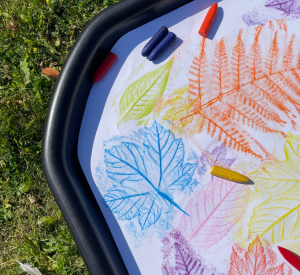
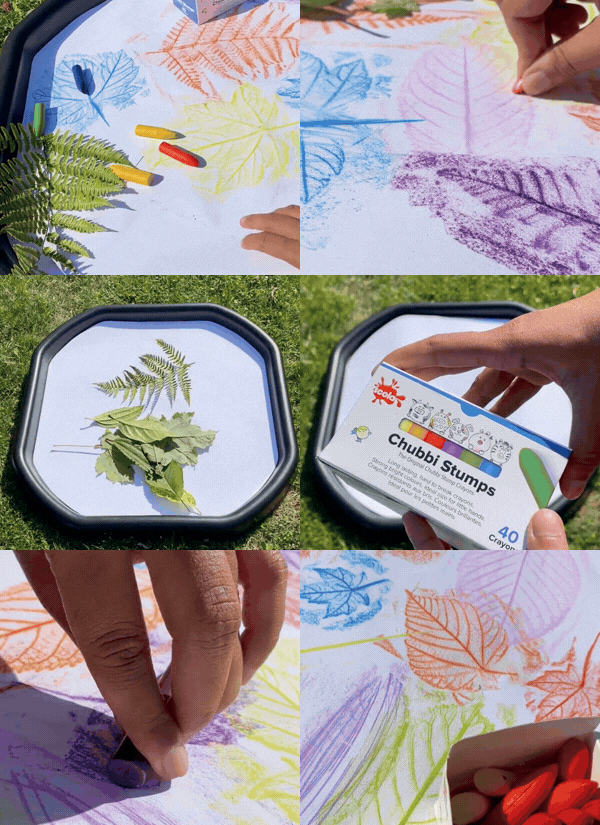
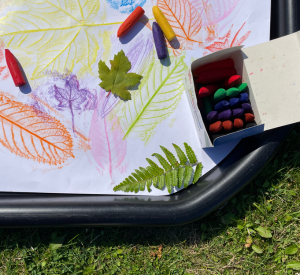
1. Leaf Rubbing
Place leaves underneath the paper and rub crayons across the top to reveal beautiful textures and patterns. Children can compare different leaf shapes and sizes.
You will need:
- Tuff Tray & Paper Pad
- Leaves collected from outdoor
- Wax crayons
Benefits:
- Physical development: Boosts fine motor skills, hand eye coordination crucial for mark-making and early writing skills
- Understanding the World: encourages exploration of the natural world, observing leaf structures and prompting discussions around nature and seasons
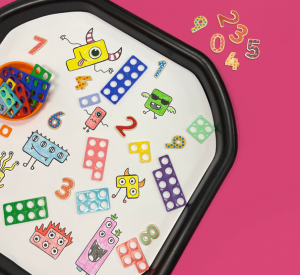
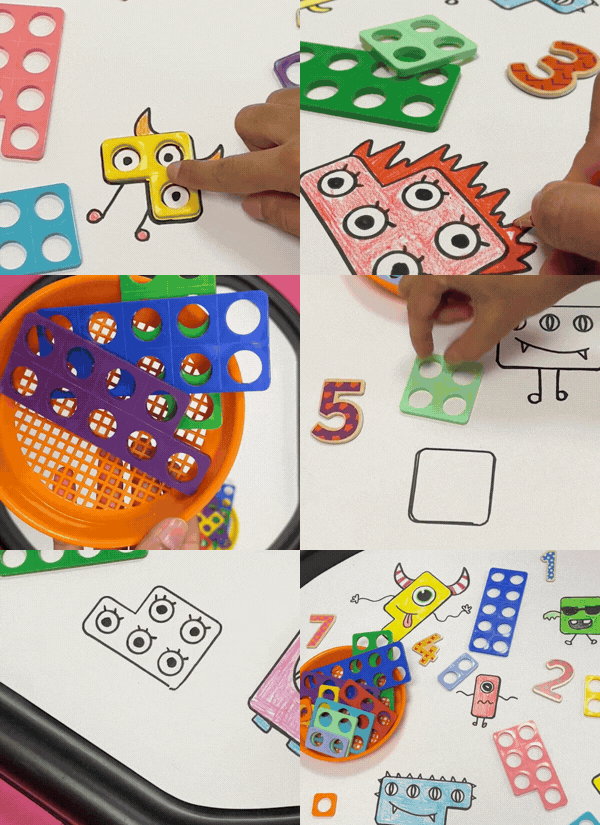
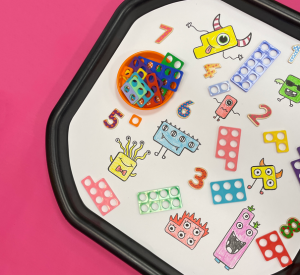
2. Numicon Monsters
Place Numicon pieces on the paper and challenge children to turn them into funny monsters by drawing faces, arms and legs around the shapes.
You will need:
- Tuff Tray & Paper Pad
- Numicon shapes
- Crayons or colouring pencils
Benefits:
- Communication & Language: by creating "monsters" from their numicon shapes, children can create characters and stories, supporting early language
- Maths: numicon shapes help children to visualise, feel and understand number bonds supporting number recognition, counting and early maths
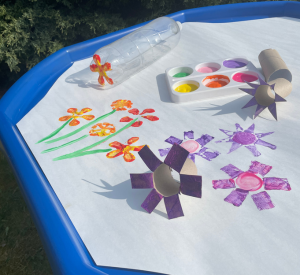
3. Upcycled Materials Painting
Use recycled materials as stamps or painting tools. Children can experiment with different shapes and textures while learning that everyday materials can be reused creatively.
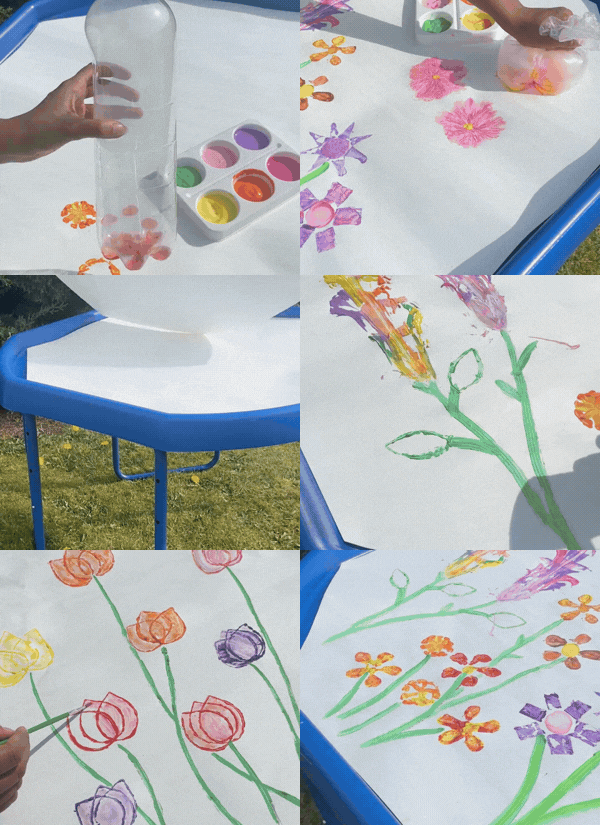
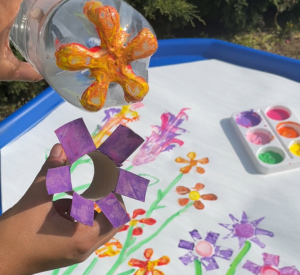
You will need:
- Tuff Tray & Paper Pad
- Recycled materials (toilet roll tubes, bottle tops, packaging)
- Paint
Benefits:
- Understanding the World: children can learn to reduce, reuse, and recycle, building a foundation for sustainability and an understanding of their impact on the world.
- Expressive Art and Design: this activity requires children to think creatively with their chosen materials to create "art"
4. Colour, Shapes, and Shadows Exploration
Shine light through coloured materials onto the paper and invite children to trace the shadows and shapes they see. This is a great way to introduce colour mixing and shape exploration.
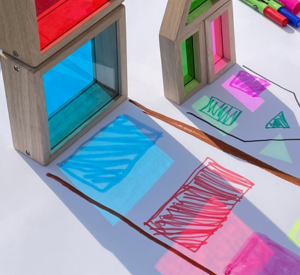
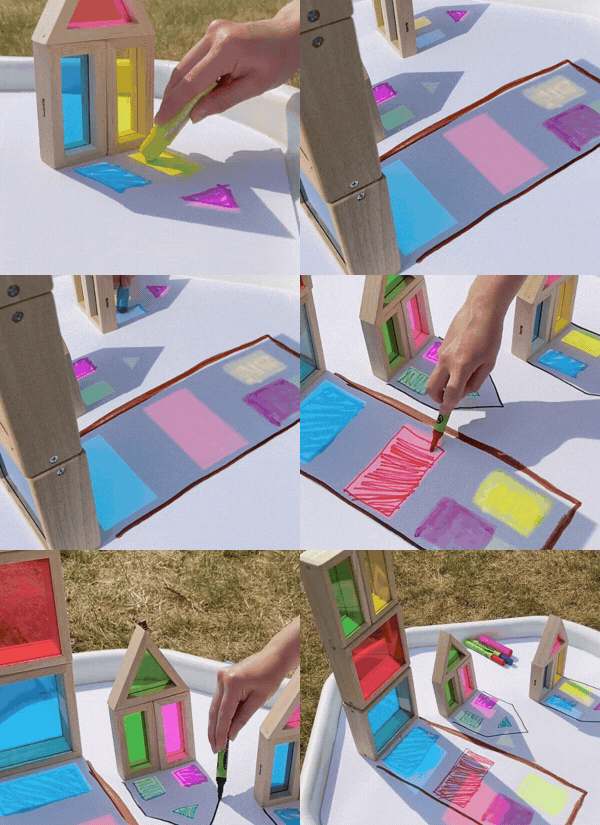
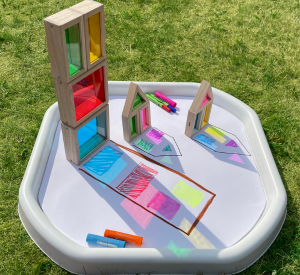
You will need:
- Tuff Tray & Paper Pad
- Coloured paddles or sensory blocks with coloured panels
- Crayons or colouring pencils
Benefits:
- Understanding the World: offering early scientific understanding, children can learn about light sources, perspective, cause and effect and spatial awareness
- Maths: children can be introduced to concepts like colour mixing, sorting and size relativity
- Communication and language: investigating and describing what they see can improve children's use of vocabulary and overall language skills
5. Breathing Exercise Drawing
Encourage children to take slow breaths while following lines, spirals or waves on the paper. This simple activity can help children regulate emotions while developing mark making skills.
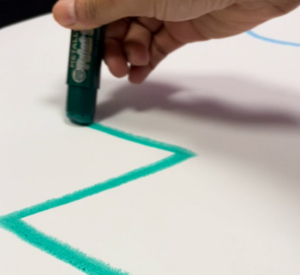
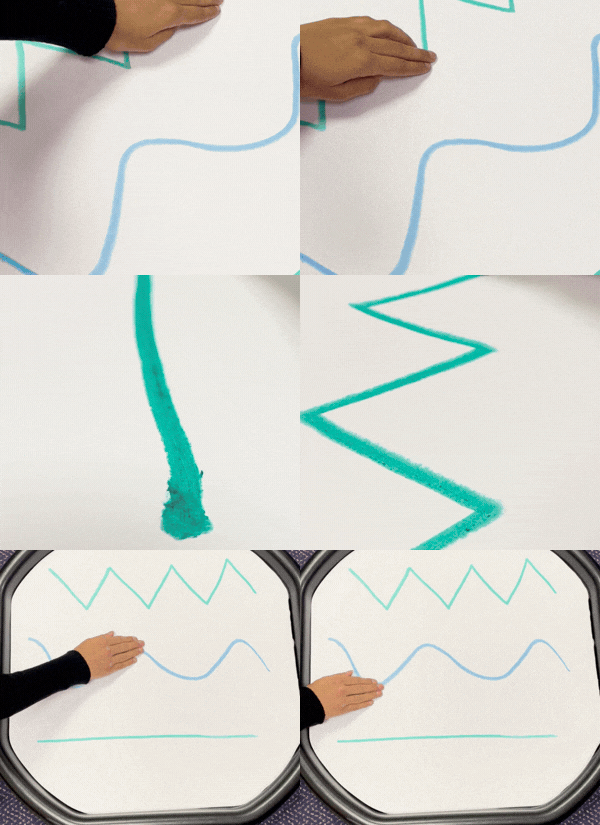
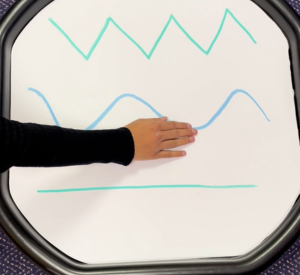
You will need:
- Tuff Tray & Paper Pad
- Crayons or colouring pencils
- Calm music (optional)
Benefits:
- PSED: supporting emotional regulation and providing a useful tool for self-regulation
6. Splatter Art
Fill small plastic pockets with paint and encourage children to smash them with a rubber hammer to create colourful splatter artwork. This activity is great for energetic messy play.
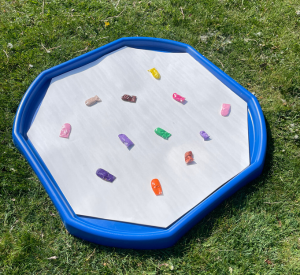
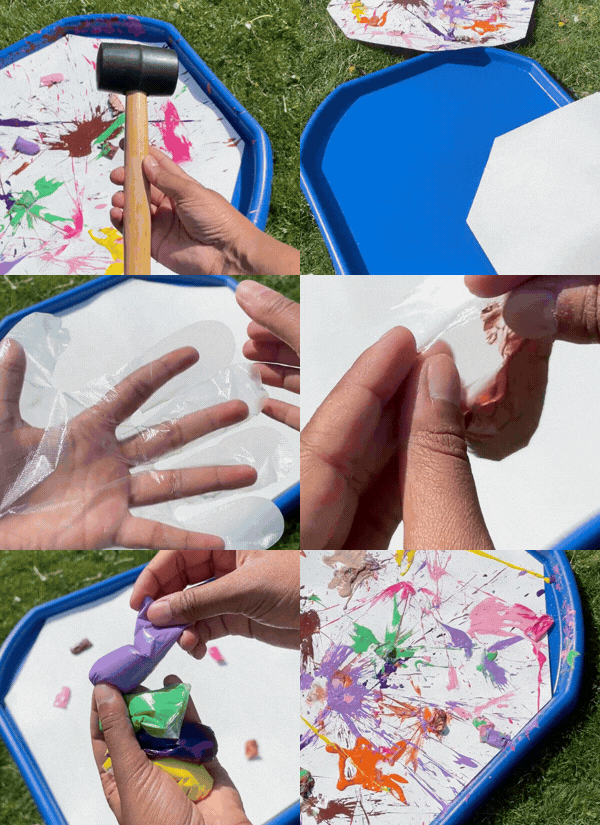
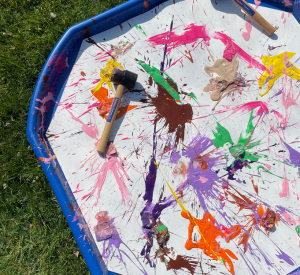
You will need:
- Tuff Tray & Paper Pad
- Plastic gloves
- Paint
- Rubber hammer
Benefits:
- Physical development: supports both fine and gross motor skills. Children are required to use their small hand muscles to grip the hammer and practice hand eye coordination to hit the targets whilst simultaneously engaging gross motor muscles.
- Maths: children can observe changes as the colours of paint mix and overlap
7. Elmer the Elephant Colouring
Inspired by the story of Elmer the patchwork elephant, this activity encourages children to colour or decorate their own Elmer design. They can experiment with bright colours and patterns to create their own unique version of the character.
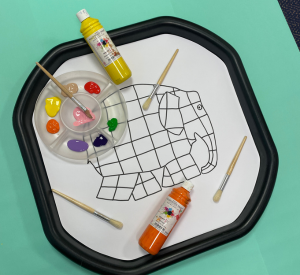
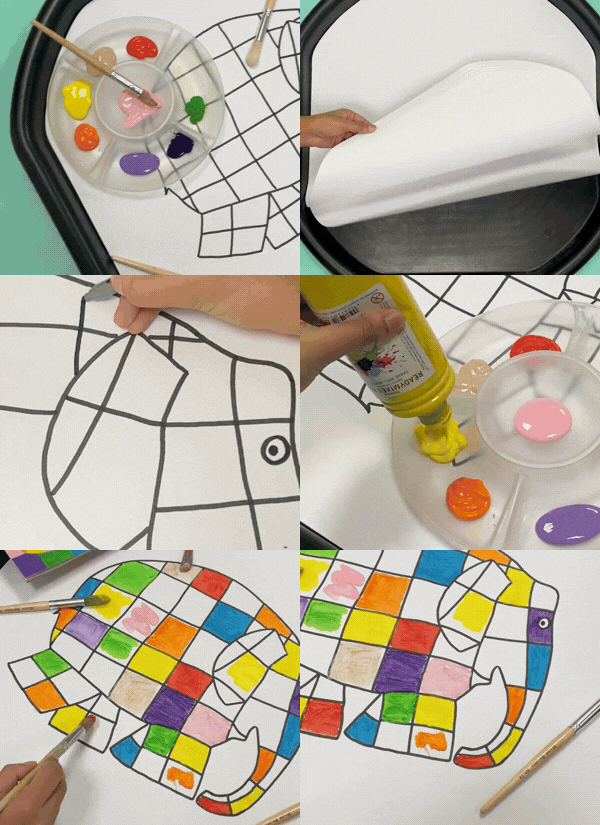
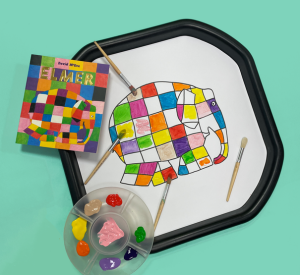
You will need:
- Tuff Tray & Paper Pad
- Elmer the patchwork elephant book
- Paints
- Paintbrushes
Benefits:
- Literacy: support early literacy by reading the book alongside the activity
- Expressive Arts & Design: children are required to think creatively as they come up with their own patchwork pattern for their elephant
- PSED: this activity can be used to discuss themes like similarities and differences to encourage acceptance and inclusion
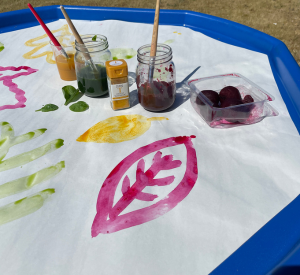
8. Natural Ingredients Painting
Mix natural ingredients with water to create earthy paints. We went for beetroot, spinach and turmeric to create yellow, red and green. Children can experiment with textures and colours while discussing what they notice.
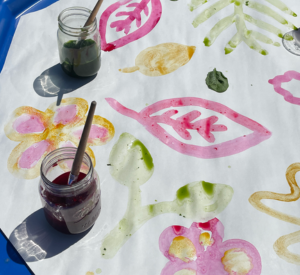
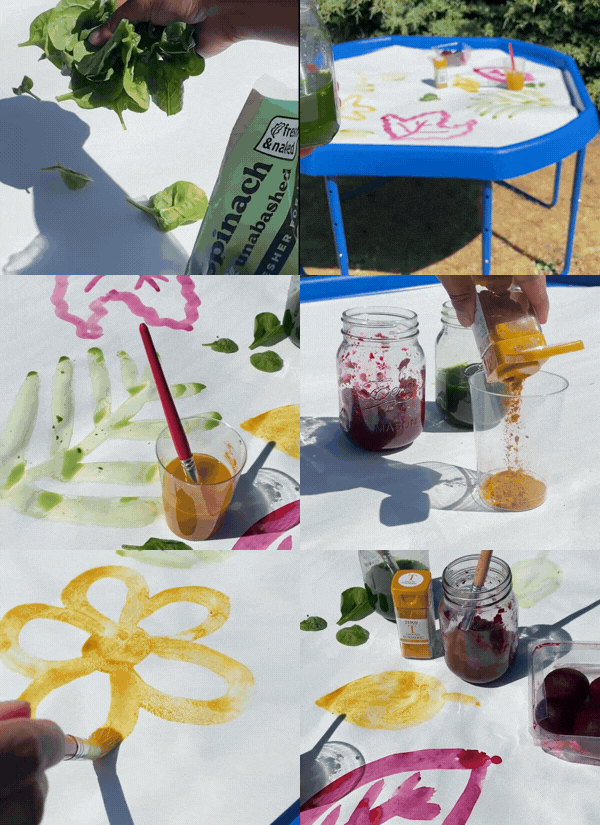
You will need:
- Tuff Tray & Paper Pad
- Natural ingredients (beetroot, spices, berries, spinach)
- Paintbrushes
Benefits:
- Communication and Language: children can develop their vocabulary and communication skills by describing the changes they observe
- Understanding the World: encouraging natural exploration, this activity supports an understanding of materials and their properties, exploration of cause and effect and an appreciation for nature
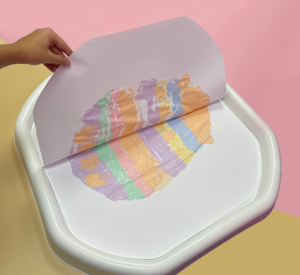
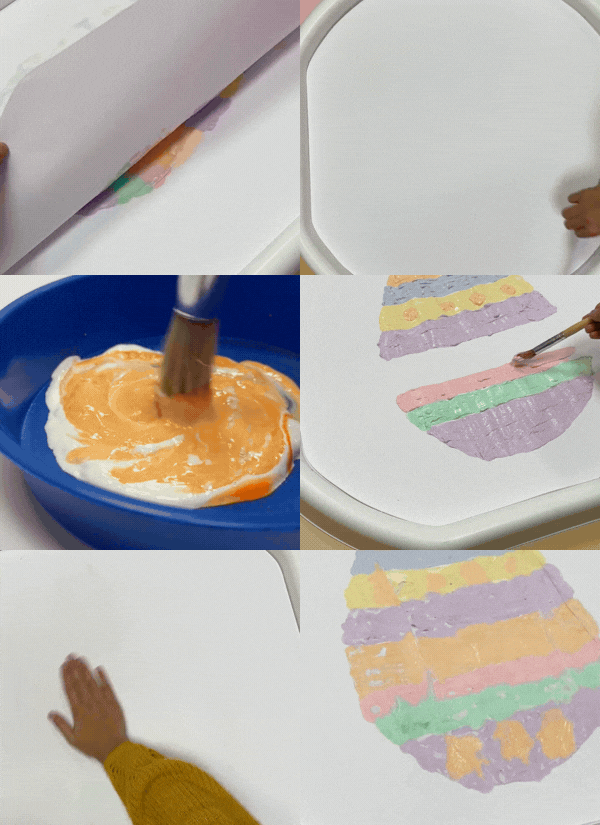
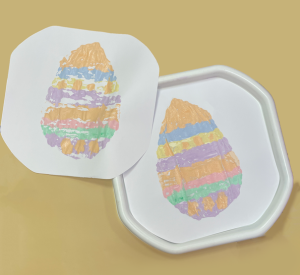
9. Exploring Symmetry
Fold the paper in half, add paint to one side and press the paper together. When opened, children will discover symmetrical patterns and shapes.
You will need:
- Tuff Tray & Paper Pad
- Paint
- Paintbrushes
Benefits:
- Maths: foster essential skills, including spatial awareness, mathematical understanding of shapes and patterns through hands-on creations
10. Spaghetti Painting
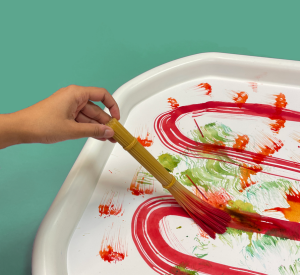
Dip spaghetti strands into paint and drag them across the paper to create unusual patterns and textures.
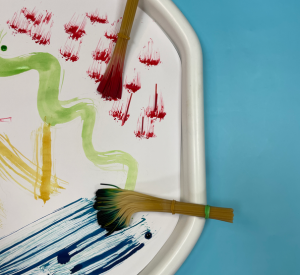
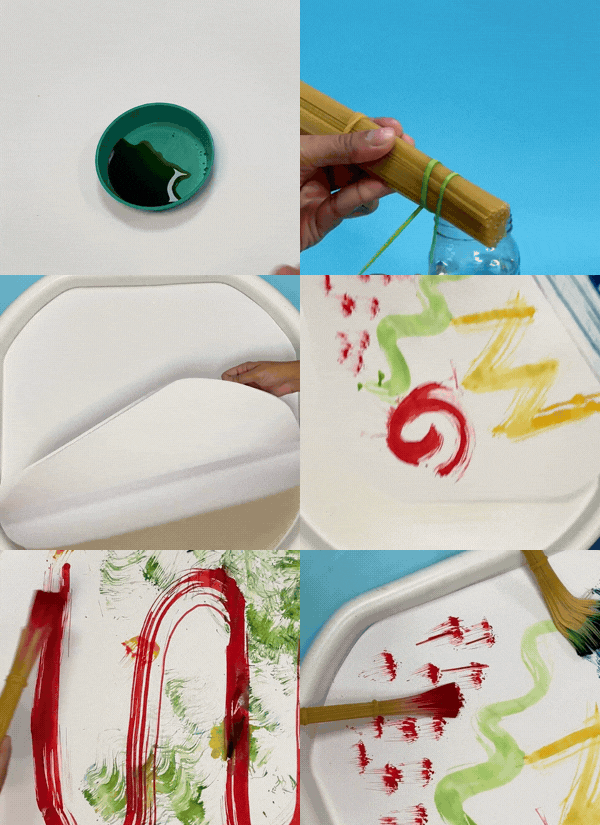
You will need:
- Tuff Tray & Paper Pad
- Dry spaghetti
- Elastic bands
- Paint/Food dye
Benefits:
- Physical development: children can practice their hand-eye coordination and fine motor skills, supporting mark making and early writing skills
- Expressive Art and Design: this activity requires children to think creatively, using the spaghetti to create "art"
Final Thoughts
Using a tuff tray paper pad is a simple yet effective way to create engaging learning opportunities for young children. From messy art to maths exploration, these activities can easily be adapted to suit different interests and developmental stages.
Most importantly, they encourage children to explore, experiment and learn through play while supporting multiple areas of the EYFS framework.
We would love to see how you use your tuff tray paper pad! Share your activities with us on social media by tagging us or using the hashtag #ExploreWithEYR
