

The Developmental Benefits of Gardening for Young Children
Posted by EYR Team on 20th Apr 2026
read more
Gardening offers far more than just outdoor play—it plays an important role in supporting children’s development in the early years.
From building communication skills to encouraging emotional growth, gardening provides a rich, hands-on learning experience that supports multiple areas of development.
In this article, we explore the key developmental benefits of gardening for young children.
Supporting Cognitive Development
Gardening introduces children to basic scientific concepts in a natural and engaging way. As they observe how plants grow, they begin to understand cause and effect, seasons, and life cycles.
Simple tasks like planting seeds and watching them grow encourage curiosity, questioning, and problem-solving.
Building Communication and Language Skills
Gardening creates opportunities for conversation. Children learn new vocabulary related to plants, weather, and nature while describing what they see and do.
Working alongside others also encourages listening, turn-taking, and expressive language.
Enhancing Sensory Development
Gardening is a multi-sensory experience. Children engage with different textures, smells, and sounds—from soil and water to leaves and flowers.
These sensory experiences are especially valuable in early years, helping children process and understand the world around them.
Encouraging Emotional Wellbeing
Spending time in nature has a calming effect on children. Gardening can help reduce stress, improve mood, and create a sense of achievement.
Watching something grow over time also builds patience and resilience.
Developing Responsibility and Independence
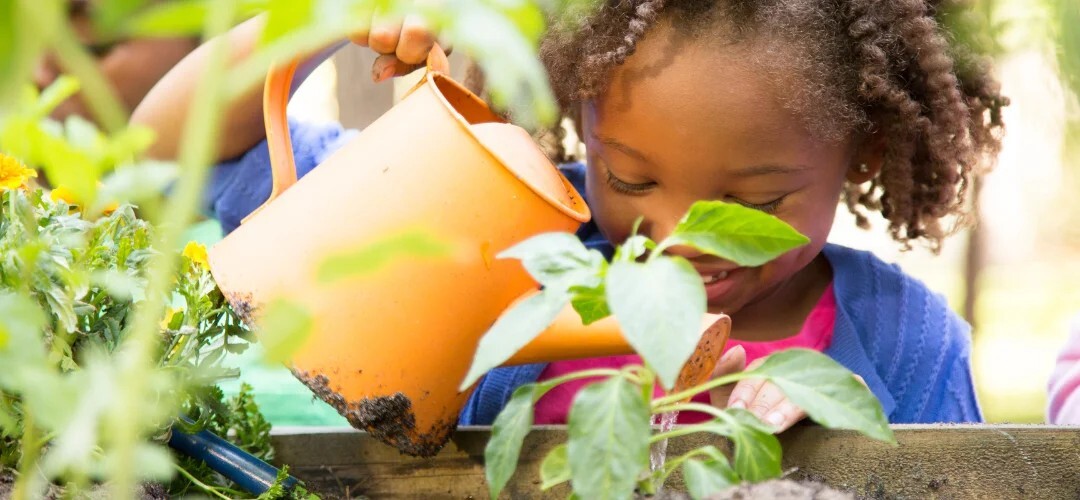
Caring for plants teaches children responsibility. Regular watering and checking on growth encourages routine and accountability.
Children begin to understand that their actions have an impact, which builds confidence and independence.
Supporting Social Skills
Gardening often involves working together—sharing tools, taking turns, and collaborating on tasks.
These experiences help children develop teamwork, cooperation, and respect for others.
Fostering a Connection with Nature
Early exposure to gardening helps children develop a lifelong appreciation for the natural world.
Understanding how plants grow and where food comes from encourages environmentally aware thinking from a young age.
Final Thoughts
The benefits of gardening for young children go far beyond the garden itself. It supports cognitive, emotional, social, and sensory development in a way that is both natural and enjoyable.
By incorporating gardening into early years education, you can create meaningful learning experiences that help children grow in every sense.
Looking for practical ways to get started? Explore our gardening activity ideas for early years and don't forget to check out our array of gardening resources!
