

What is STEAM in Early Years? Activities, Benefits & EYFS Examples
Posted by EYR Team on 15th Jun 2026
read more
STEAM is becoming an increasingly important part of early years education — but what does it actually mean in practice?
In this guide, we’ll explain what STEAM in early years is, why it matters, and share simple, practical STEAM activity ideas you can use in your setting.

What is STEAM in Early Years?
STEAM stands for Science, Technology, Engineering, Arts and Mathematics.
In early years settings, STEAM is a play-based, exploratory approach to learning that encourages children to investigate, experiment and solve problems through hands-on experiences.
Rather than teaching subjects separately, STEAM combines them into meaningful activities that reflect how children naturally learn — through curiosity and discovery.
STEAM vs STEM: What’s the Difference?
You may already be familiar with STEM (Science, Technology, Engineering and Maths). STEAM simply adds Arts into the mix.
The inclusion of arts is important in early years because it:
- Encourages creativity and imagination
- Supports communication and expression
- Helps children think more flexibly
In EYFS environments, this balance is essential, as learning is holistic rather than subject-driven.
Why is STEAM Important in Early Years?
Introducing STEAM learning early helps children develop key skills that support both school readiness and lifelong learning.
Key benefits of STEAM in early childhood:
- Builds problem-solving skills
- Encourages critical thinking
- Develops creativity and imagination
- Supports language and communication
- Promotes collaboration and teamwork
- Sparks curiosity about the world
STEAM also aligns closely with the EYFS framework, particularly in areas such as:
How is STEAM Used in EYFS Settings?
In early years, STEAM is not taught as a formal subject. Instead, it is embedded into everyday play and exploration.
Practitioners can support STEAM learning by:
- Providing open-ended resources
- Asking questions that encourage thinking
- Allowing time for experimentation
- Supporting child-led learning
For example, a simple water play activity can involve:
- Science (floating and sinking)
- Maths (measuring and volume)
- Engineering (building structures)
- Arts (creative play)
STEAM Activity Ideas for Early Years
Here are some simple and effective STEAM activities you can try in your setting:
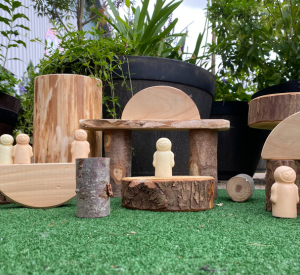
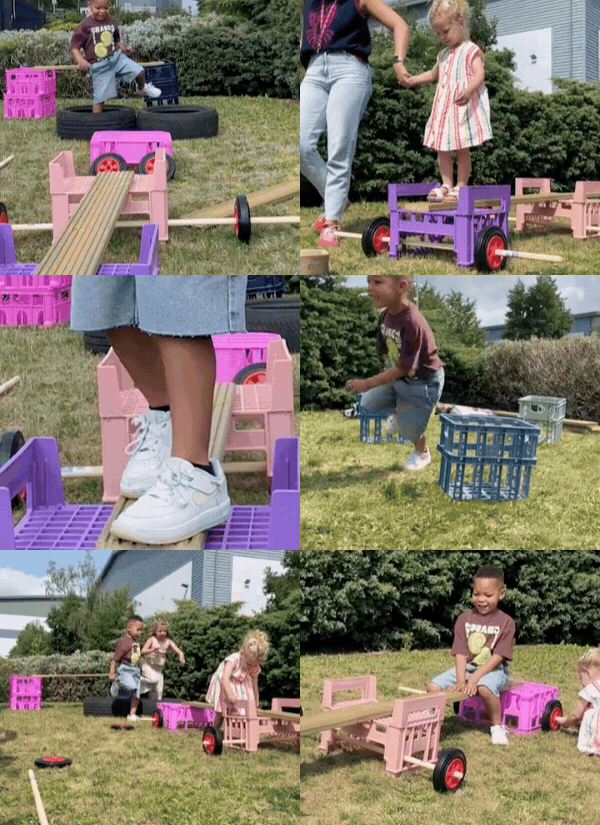
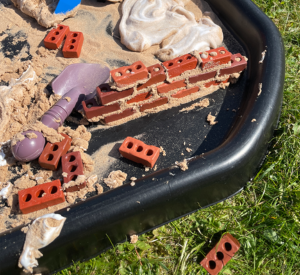
1. Building with Loose Parts (Engineering + Maths)
Provide blocks, cardboard or loose parts and challenge children to build different structures. For example, can they make a bridge strong enough to hold weight.
Skills developed: problem-solving, design thinking, measuring
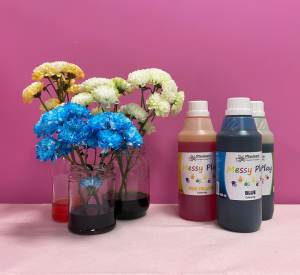
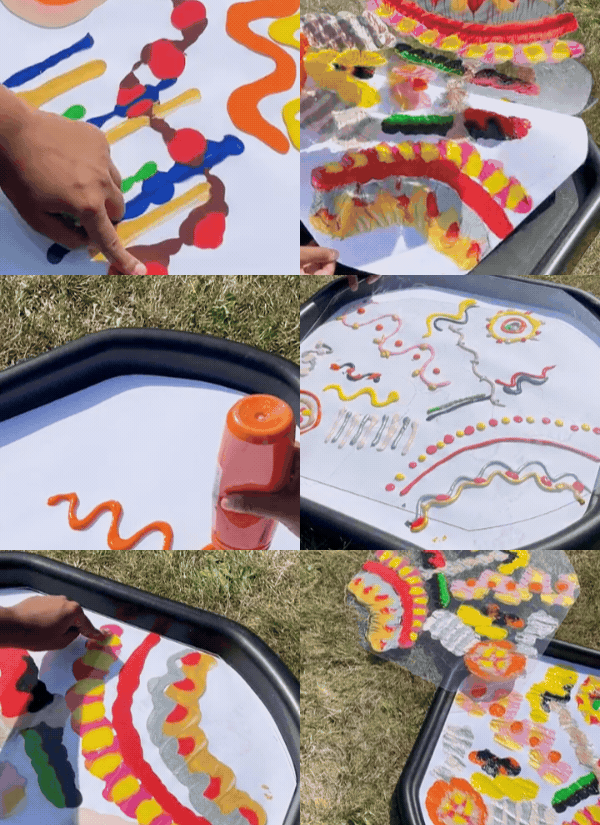
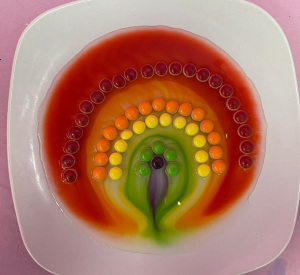
2. Colour Mixing (Science + Art)
Let children experiment with mixing primary colours using paint or water.
Skills developed: observation, prediction, creativity, cause and effect
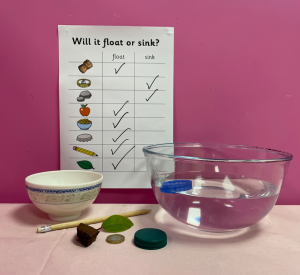
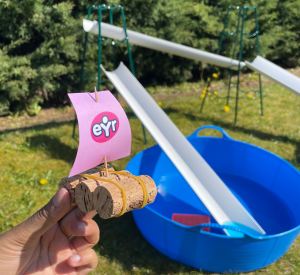
3. Water Play Investigations (Science + Maths)
Explore floating and sinking, capacity and volume using containers and different objects.
Skills developed: scientific thinking, comparison, measurement, early maths

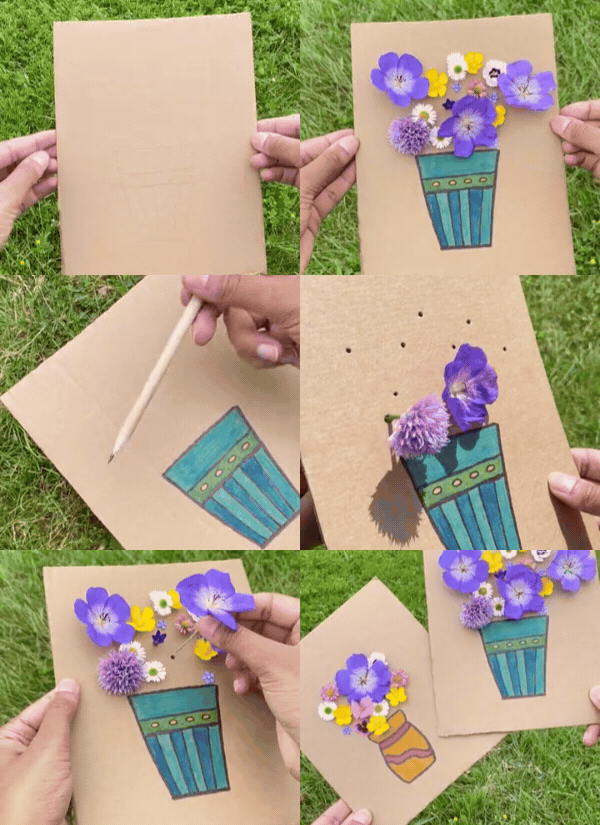
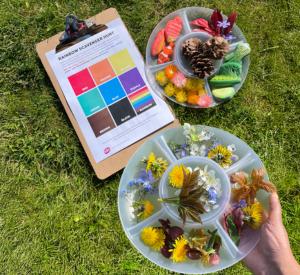
4. Nature Exploration (Science + Art)
Go outdoors to collect leaves, sticks and natural materials, then use them for creative projects.
Skills developed: observation, creativity, environmental awareness
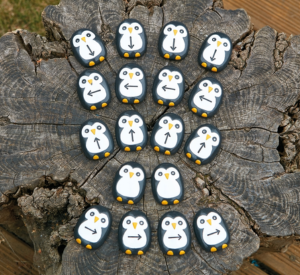
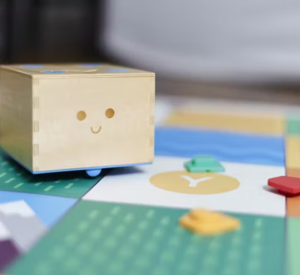
5. Simple Coding Games (Technology)
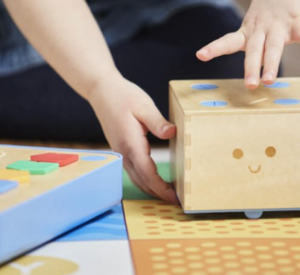
Introduce basic sequencing through games, patterns or programmable toys.
Skills developed: logical thinking, sequencing, problem-solving
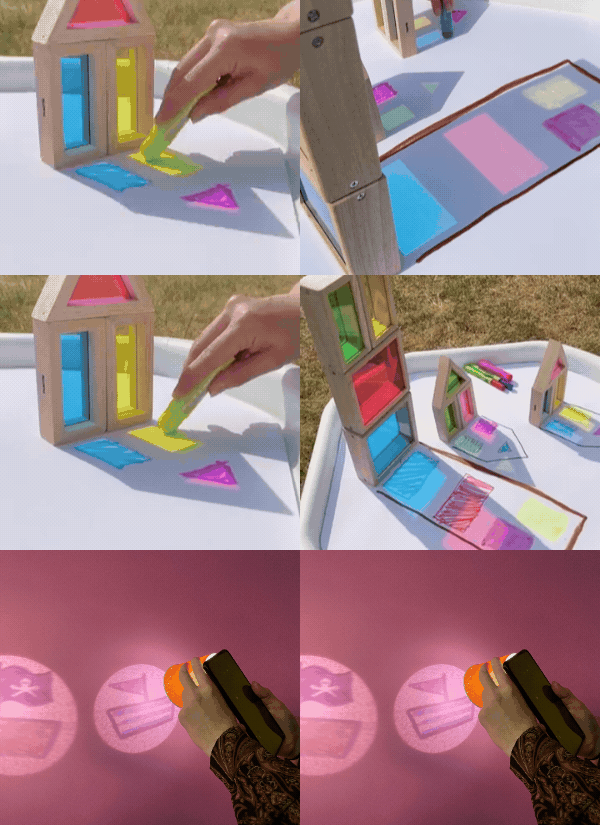
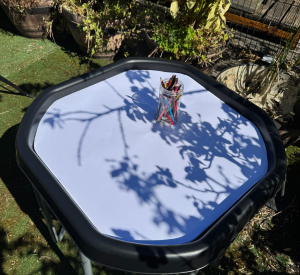
6. Shadow Play (Science)
Explore light and shadow using torches and objects.
Skills developed: investigation, curiosity, prediction

Real-Life Examples of STEAM in Early Years
STEAM learning often happens naturally during play. For example:
- A child building a tower is exploring engineering and balance
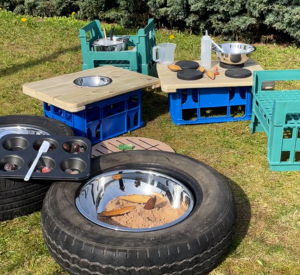
- Mixing ingredients in a mud kitchen involves science and maths
- Drawing and storytelling combines arts and communication
By recognising these moments, practitioners can extend learning through thoughtful questioning and support.
Tips for Introducing STEAM in Your Setting
If you're new to STEAM, start simple:
- Focus on play-based learning
- Use everyday materials
- Follow children’s interests
- Ask open-ended questions like:
- “What do you think will happen?”
- “How could we make this stronger?”
- Encourage trial and error
STEAM doesn’t require expensive equipment — it’s about how children engage with the world around them.
FAQs About STEAM in Early Years
What is STEAM in EYFS?
STEAM in EYFS is a play-based approach to learning that integrates science, technology, engineering, arts and maths into everyday activities.
Why is STEAM important in early years?
It helps children develop essential skills such as problem-solving, creativity and critical thinking, while supporting key areas of the EYFS framework.
What are examples of STEAM activities?
Examples include building structures, water play experiments, colour mixing, nature exploration and simple coding games.
What is the difference between STEM and STEAM?
STEAM includes the arts alongside science, technology, engineering and maths, encouraging creativity as well as analytical thinking.
Conclusion
STEAM in early years is about more than just learning subjects — it’s about nurturing curiosity, creativity and confidence.
By embedding STEAM into everyday play, practitioners can support children in developing the skills they need to explore, discover and thrive.
For more STEAM activities to try in your setting, head to our science activities blog: 5 fun science experiments you can do at home.