
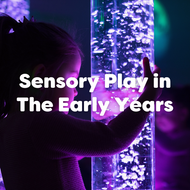
Sensory Play in the Early Years: Activities, Ideas and Planning Tips
Posted by EYR Team on 26th Aug 2019
read more
This article has been written by early years consultant, Anne Rodgers, from ATR Consultancy. Anne has 36 years’ experience of working in the childcare and education sector – including training practitioners, managing numerous settings over the years and writing articles for Early Years Educator and the CACHE Alumni website.
Sensory play is essential for helping children explore, experiment and understand their world. Through activities that stimulate the senses, children learn naturally while developing confidence, independence and creativity.
This guide offers practical ideas, planning advice and inspiration for incorporating sensory play into your early years setting.
What is Sensory Play?
Sensory play includes activities that stimulate the senses — sight, sound, smell, taste and touch — helping children discover more about the world around them. Such activities encourage exploration, develop fine and gross motor skills and strengthen brain connections for future learning.
Learn more about why sensory play is so beneficial in our companion article: Sensory Play: The Importance in Early Years

Planning Sensory Play Experiences
Planning ensures activities are safe, purposeful and inclusive. It allows practitioners to:
-
Link experiences to EYFS learning outcomes
-
Conduct risk assessments and prepare materials
-
Plan for individual learning styles and preferences
Through planning, practitioners can anticipate how children might explore and adapt activities to support next steps in learning.
Exploring the Five Senses
Sight
The most commonly stimulated sense for young children is sight. Offer bright, colourful materials and visually engaging activities such as mirrors, light tables or shadow puppets. These develop visual memory, recognition and curiosity.
Sound
Use music, instruments and sound-based toys to promote rhythm, listening and coordination. Singing and storytelling strengthen auditory learning and communication.
Smell
Include scented materials such as coffee, mint, lemon or lavender in treasure baskets. Encouraging children to identify and compare smells helps build sensory awareness.
Taste
Cooking, juicing fruit or exploring new foods helps children understand flavour, independence and nutrition. Always ensure foods are age-appropriate and allergen-safe.
Touch
Provide a range of textures — soft fabrics, rough bark, smooth stones or slime — to help children distinguish between materials and develop tactile sensitivity.
Sensory Play and the Characteristics of Effective Learning
Playing and Exploring
Children use their senses to explore and engage with the world, showing curiosity and persistence.
- participating in open ended activities
- showing particular interests
- engaging in outdoor learning
Active Learning
Sensory activities sustain focus, motivation and joy — children become deeply involved and eager to repeat experiences.
Creating and Thinking Critically
By experimenting, children test ideas and find creative ways to solve problems, supporting early scientific understanding.
Discover more about the importance of experimentation and risks during EYFS play in our blog: The Importance of Risky Play in the EYFS
Sensory Play Activities and Ideas
Classic Sensory Ideas:
-
Painting or mark-making with dough tools
-
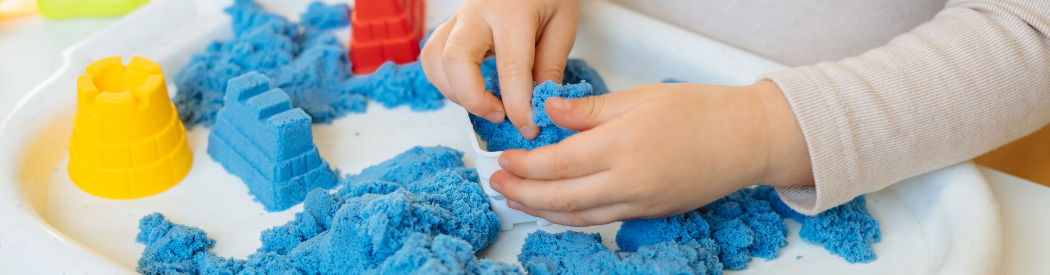
Playing with kinetic sand
-
Making pretend snow or salt dough
-
Colour mixing or water play
Edible Sensory Play
Perfect for babies and toddlers still mouthing objects:
-
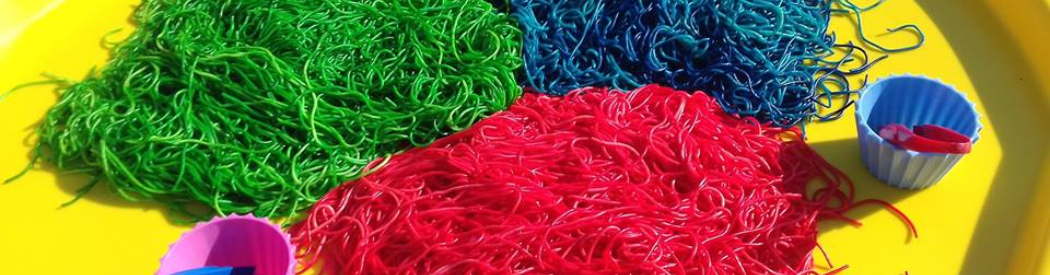
Coloured spaghetti
-
Jelly sensory bins
-
Edible chocolate mud
-
Fruit juicing and tasting
-
Baking or edible paint
Explore more: Edible Sensory Play Activities
Maths and Sensory Play
Incorporate numbers and counting:
-
Freeze numbered ice cubes and put them in the correct order before they melt
-
Hopscotch on liquid tiles
-
Use tactile numbers in dough or sand
Sensory Play for Special Needs Children
Sensory play can support children with Special Educational Needs by improving focus, communication and confidence. Adapt activities to suit individual needs — for example, textured materials for visually-impaired children or light tubes for those who respond to visual stimulation.
Some examples of activities and resources that are suited to SEN children are:
-
Mud kitchens
-
Water play
-
Kinetic sand
-
Sensory dens or tunnels
Find out more in our Sensory Play Activities for SEND Children blog.
Sensory Play for Babies
Sensory experiences in infancy lay the foundation for later learning. Try:
-
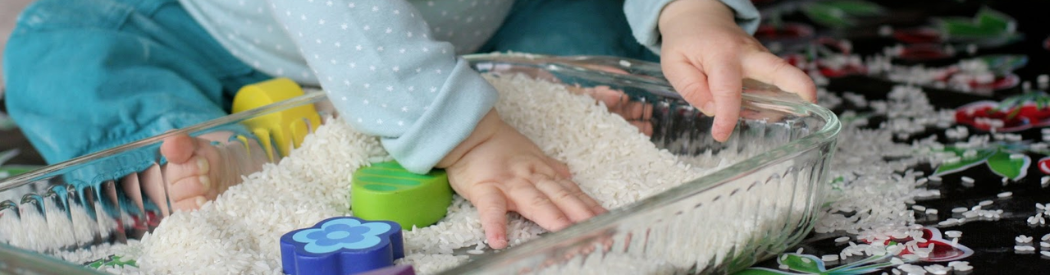
Flour or dry pasta sensory bins
-
Finger painting
-
Jelly or shaving-foam bags
-
Glitter sensory bottles
Learn more about Messy Play Ideas for Babies in our dedicated article.
Creating a Sensory Garden
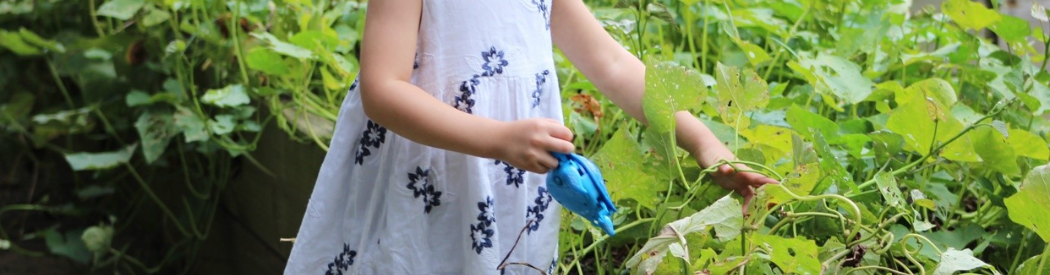
A sensory garden engages all five senses through nature — colour, texture, scent, sound and movement. It encourages curiosity about plants, seasons and wildlife and can be particularly beneficial for children with autism or sensory processing differences.
When creating a garden:
-
Choose safe, non-toxic plants
-
Select a calm location away from distractions
-
Consider sun, shade and maintenance needs
Read our full guide on How to Create a Sensory Garden for early years settings.
Final Thoughts
Sensory play transforms learning from passive observation to active discovery. By planning inclusive, engaging sensory experiences — indoors and outdoors — practitioners can foster curiosity, creativity and confidence in every child.
For deeper insights into the benefits and developmental impact of sensory play, see our article: Sensory Play: The Importance in Early Years
Taken from Sensory Play in the Early Years by Anne Rodgers. ISBN: 978-0-9930782-2-4.