Fun Facts About Lunar New Year 2027: Year of the Fire Goat
Posted by EYR Team on 12th Jan 2026
read moreIn 2027, Lunar New Year begins on Saturday 6 February, marking the start of the Year of the Fire Goat, also known as the Year of the Fire Sheep or Ram in the Chinese zodiac. From bright red lanterns and lucky envelopes to traditional foods, dragon dances and zodiac animals, there is so much for children to discover.
Whether you're a nursery practitioner, Reception teacher, parent or carer, these fun facts about Lunar New Year for kids will help you introduce the celebration in an engaging, age-appropriate way. We've also included simple Lunar New Year activities for EYFS to inspire your classroom planning.
What is Lunar New Year?
Lunar New Year marks the beginning of a new year in calendars that follow the cycles of the Moon, sometimes alongside the Sun. The date therefore changes each year in the Gregorian calendar used in the UK.
Lunar New Year is celebrated by communities across many parts of Asia and around the world. Different cultures have their own names, customs, foods and ways of celebrating.
Families may celebrate by gathering for special meals, visiting relatives, decorating their homes, exchanging good wishes and taking part in community festivities.
For children, Lunar New Year provides a great opportunity to learn about family traditions, seasonal celebrations and the many different cultures represented in our communities.
When is Lunar New Year 2027?
Lunar New Year begins on Saturday 6 February 2027. The Chinese New Year celebration traditionally continues for around 15 days, concluding with the Lantern Festival on 20 February 2027.
The date changes each year because it follows the traditional lunisolar calendar rather than a fixed date in the Gregorian calendar.
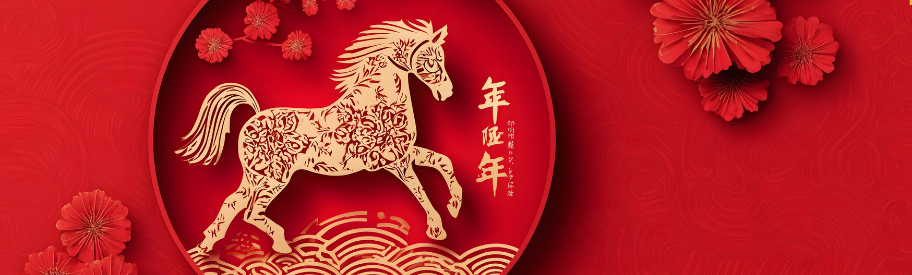
The Year of the Fire Goat 2027
Each year in the traditional Chinese zodiac is associated with one of 12 animals and one of five elements: Wood, Fire, Earth, Metal and Water. Together, these form a repeating 60-year cycle.
The 12 zodiac animals are the Rat, Ox, Tiger, Rabbit, Dragon, Snake, Horse, Goat, Monkey, Rooster, Dog and Pig.
2027 is the Year of the Fire Goat, the eighth animal in the Chinese zodiac. You may also see it called the Year of the Fire Sheep or Fire Ram.
The Goat is traditionally associated with qualities such as kindness, creativity, gentleness and compassion. These are cultural and astrological associations rather than scientific descriptions of people's personalities.
The Fire element is part of the traditional zodiac cycle and gives the year its full name, the Fire Goat.
EYFS learning idea: Invite children to create their own goat pictures using paint, collage, tissue paper or other craft materials. Encourage them to describe the animal, explore its features and invent a story about a friendly zodiac goat.
Lunar New Year traditions and their meanings
Lunar New Year is celebrated in different ways around the world. Here are some traditions associated particularly with Chinese New Year that you can explore with children.
1. Red decorations for good fortune
Red is an important colour in many Chinese New Year celebrations and is traditionally associated with happiness, good fortune and protection.
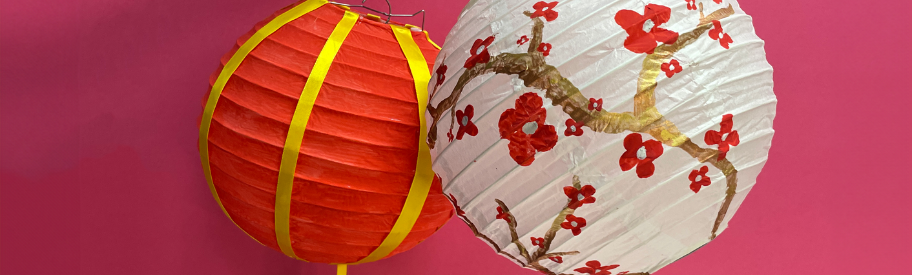
Homes, streets and public spaces may be decorated with red lanterns, banners and paper cuttings. Gold is also commonly used in festive decorations and is associated with prosperity.
EYFS activity: Provide red and gold paper, ribbons and child-safe craft materials for a creative decoration table. Children could design lantern pictures, make paper chains or explore patterns and colours.
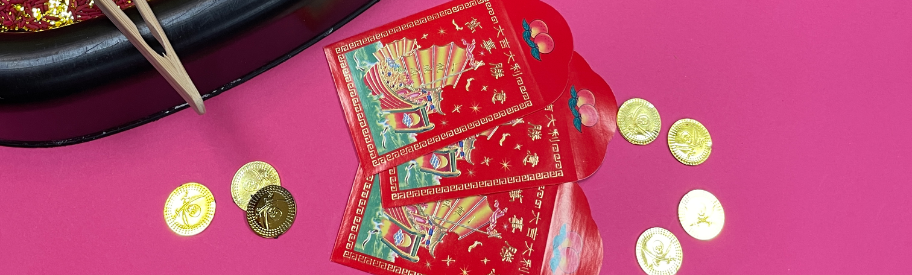
2. Giving red envelopes
Red envelopes are often filled with money or chocolate coins and symbolise:
- good wishes
- luck
- blessings for the year ahead
EYFS activity: Set up a mark-making table where children can decorate paper envelopes with their own patterns, lines and shapes. Talk about the idea of giving good wishes to friends and family.
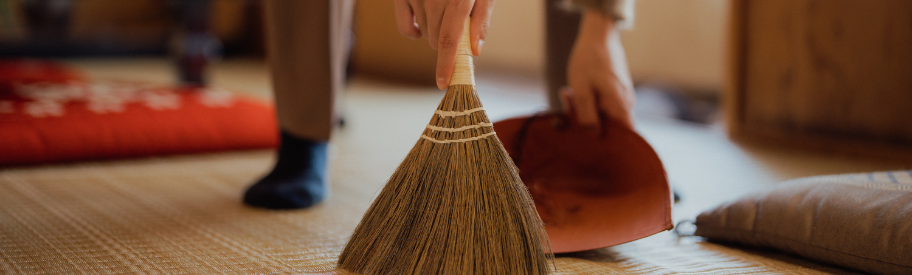
3. Cleaning the house before the New Year
In some Chinese New Year traditions, families clean their homes before the celebrations begin. This is associated with saying goodbye to the old year and welcoming a fresh start.
Some families traditionally avoid sweeping on New Year's Day because it is believed that doing so could sweep away good fortune.
EYFS activity: Use this tradition as a starting point for a conversation about fresh starts, helping others and looking after our environment. Children could help tidy a play area before creating a new display together.
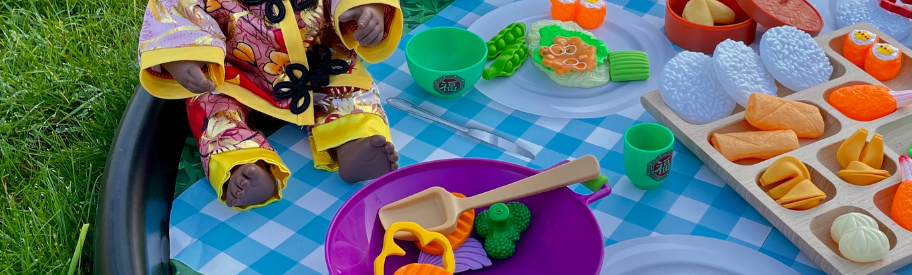
4. Symbolic New Year foods
Food is an important part of many Lunar New Year celebrations, with different dishes carrying special meanings in some cultures.
Examples of foods associated with Chinese New Year include:
- Dumplings for wealth
- Long noodles for a long life
- Mandarins for prosperity
- Rice cakes for growth
EYFS activity: Create a food investigation table using pictures of traditional dishes. Encourage children to talk about colours, shapes, textures and their own favourite foods. If real food is used, check allergies and dietary requirements and supervise tasting activities appropriately.
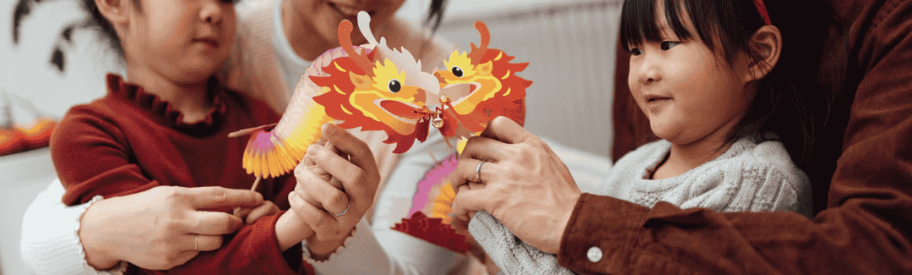
5. Dragon and lion dances
Lion and dragon dances are performed during celebrations and parades. The loud drums and colourful costumes are said to scare away bad spirits and bring joy and good fortune.
EYFS activity: Explore music and movement by inviting children to move like a dragon or lion to a steady rhythm. They could work together to create a long dragon using fabric or paper, developing their coordination, creativity and teamwork.
Fun Lunar New Year facts for children
Looking for quick facts to share during circle time? Here are some child-friendly facts to get the conversation started.
- Lunar New Year takes place on a different date each year in the Gregorian calendar.
- Chinese New Year is also known as the Spring Festival.
- The Chinese zodiac has 12 animals, each appearing in a repeating cycle.
- 2027 is the Year of the Fire Goat, also known as the Fire Sheep or Fire Ram.
- Red decorations are commonly associated with good fortune during Chinese New Year.
- The Chinese zodiac includes a traditional story about a race that explains the order of its 12 animals.
Looking for Lunar New Year Activity Ideas?
Looking for more inspiration for your early years setting? Explore our blogs:
Frequently Asked Questions
When is Lunar New Year 2027?
Lunar New Year begins on Saturday 6 February 2027. The traditional Chinese New Year celebration continues for around 15 days, ending with the Lantern Festival on 20 February.
What is the zodiac animal for 2027?
2027 is the Year of the Goat in the Chinese zodiac, traditionally known as the Year of the Fire Goat. It is also called the Year of the Fire Sheep or Fire Ram.
Why does the date change each year?
Lunar New Year follows a traditional lunisolar calendar, which takes account of the cycles of the Moon and the seasons. This means its date changes in the Gregorian calendar used in the UK.
What is the difference between Lunar New Year and Chinese New Year?
Lunar New Year is a broad term for new year celebrations observed by different communities using lunar or lunisolar calendars. Chinese New Year is one of these celebrations, while Vietnam's Tết and Korea's Seollal have their own distinct customs and traditions.
Celebrate Lunar New Year with Early Years Resources
Lunar New Year is a wonderful opportunity to encourage creativity, storytelling, curiosity and an appreciation of different cultural traditions.
From making lantern-inspired artwork and exploring zodiac animals to learning about traditional foods and music, there are plenty of ways to bring the celebration into your early years setting.
Explore our Lunar New Year craft ideas and activity resources to find inspiration for your nursery or Reception classroom.
Are you celebrating Lunar New Year in your setting? Share your ideas and activities with us on social media by tagging Early Years Resources and using #ExploreWithEYR.
Are you celebrating the Lunar New Year? Share your ideas and activities with us on social media by tagging us and by using the hashtag #ExploreWithEYR.
