
Fun Facts about the Lunar New Year 2026 (Year of the Fire Horse)
Posted by EYR Team on 12th Jan 2026
read moreLunar New Year is one of the biggest and most colourful celebrations in the world — and a wonderful festival for children to learn about in early years settings. From red lanterns and lucky envelopes to parades, drums and zodiac animals, there is so much to explore.
Below are fun, child-friendly facts about the Lunar New Year 2026, including the traditions, symbols and meaning behind the Year of the Fire Horse.
What is Lunar New Year?
Lunar New Year marks the beginning of the year according to the lunar calendar, which follows the cycles of the moon. Because this calendar doesn’t match the solar calendar used in the UK, the festival falls on a different date every year.
In 2026, Lunar New Year begins on Tuesday, 17 February.
Families celebrate by spending time together, decorating their homes, enjoying traditional meals and welcoming good fortune for the year ahead.
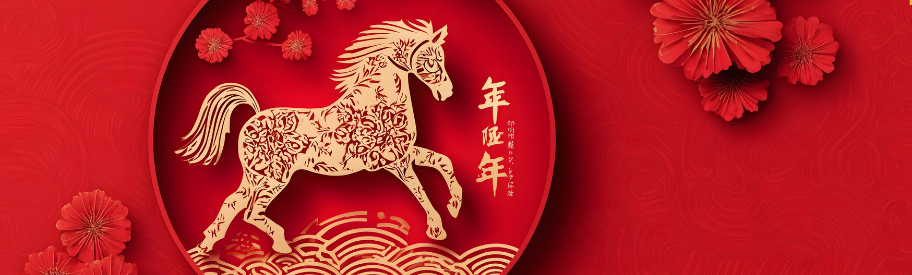
The Year of the Fire Horse (2026)
Every Lunar Year is linked with one of the 12 animals of the Chinese zodiac, paired with one of the five elements (Wood, Fire, Earth, Metal and Water).
2026 is the Year of the Fire Horse.
The Horse is traditionally associated with:
- Energy
- Confidence
- Creativity
- Playfulness
- Adventure
The Fire element adds warmth, enthusiasm and imagination. People born in a Fire Horse year are often described as spirited, curious and full of bright ideas.
Why does the date change each year?
Lunar New Year begins on the first new moon between late January and mid-February.
This means the festival can vary by several weeks from year to year.
For example:
- Lunar New Year 2025 began on 29th January
- Lunar New Year 2026 begins on the 17th February
This is a great opportunity for children to observe how calendars and seasons work!
Lunar New Year traditions and their meanings
1. Red decorations for good luck
Red is believed to bring good fortune and drive away bad spirits. Homes, schools and streets are decorated with red banners, lanterns and paper cuttings.
2. Giving red envelopes
Red envelopes are often filled with money or chocolate coins and symbolise:
- good wishes
- luck
- blessings for the year ahead
3. Cleaning the house before the New Year
Before the celebrations begin, many families clean their homes to "sweep away" the old year. However, on New Year's Dat, people avoid sweeping, cleaning or even washing hair so they dont clear away the good luck!
4. Symbolic New Year foods
Different foods can carry different meanings, for example:
- Dumplings for wealth
- Long noodles for a long life
- Mandarins for prosperity
- Rice cakes for growth
5. Dragon and lion dances
Lion and dragon dances are performed during celebrations and parades. The loud drums and colourful costumes are said to scare away bad spirits and bring joy and good fortune.
Fun facts for children:
- Lunar New Year is also called the Spring Festival.
- Celebrations last up to 15 days.
- Many people wear new clothes to welcome a fresh start.
- The final day is the Lantern Festival, when glowing lanterns fill the streets.
- In the story of the Chinese zodiac Great Race, the Horse finished in 7th place.
Looking for Lunar New Year Activity Ideas?
If you're planning themed crafts, play opportunities or EYFS learning experiences for 2026, take a look at our Lunar New Year activity blog posts, including ideas inspired by the Year of the Fire Horse.
Frequently Asked Questions
When is Lunar New Year 2026?
Lunar New Year falls on the 17th February 2026
What is the zodiac animal for 2026?
2026 is the Year of the Fire Horse
Why does the date change each year?
Because Lunar New Year follows the lunar calendar, which is based on the cycles of the moon.
What kinds of food are eaten during the celebration?
Dumplings, noodles, fish, rice cakes and mandarins — each linked with luck, health or prosperity.
Check out our special Lunar New Year video to learn more about the exciting traditions and customs that mark the start of the calendar. From bustling markets to delicious feasts and lively dragon dances, we bring you a glimpse into the heart of this vibrant festival. Discover the significance of red lanterns, envelopes filled with money, and traditional foods, and see how families come together to celebrate this time-honoured event.
Are you celebrating the Lunar New Year? Share your ideas and activities with us on social media by tagging us and by using the hashtag #ExploreWithEYR.