
9 Outdoor Classroom Ideas for Preschoolers (EYFS-Friendly Activities)
Posted by EYR Team on 13th Apr 2026
read moreOutdoor learning is a vital part of early years education, supporting children’s physical development, creativity, and wellbeing. Whether you’re working in a nursery, preschool, or EYFS setting, creating engaging outdoor classroom activities can help children learn through exploration and play.
In this guide, we’ll share 9 simple outdoor classroom ideas for preschoolers, along with practical tips to help you set them up with ease.
Why Outdoor Learning is Important in EYFS
Outdoor learning gives children the opportunity to:
- Develop gross motor skills through active play
- Build confidence and independence
- Explore the natural world
- Improve communication and teamwork
In EYFS settings, outdoor activities support key areas of learning including physical development, communication and language, and understanding the world. To learn more about the benefits of outdoor learning, see our blog on Benefits of Outdoor Learning in EYFS.
1. Nature Brushes
You will need:
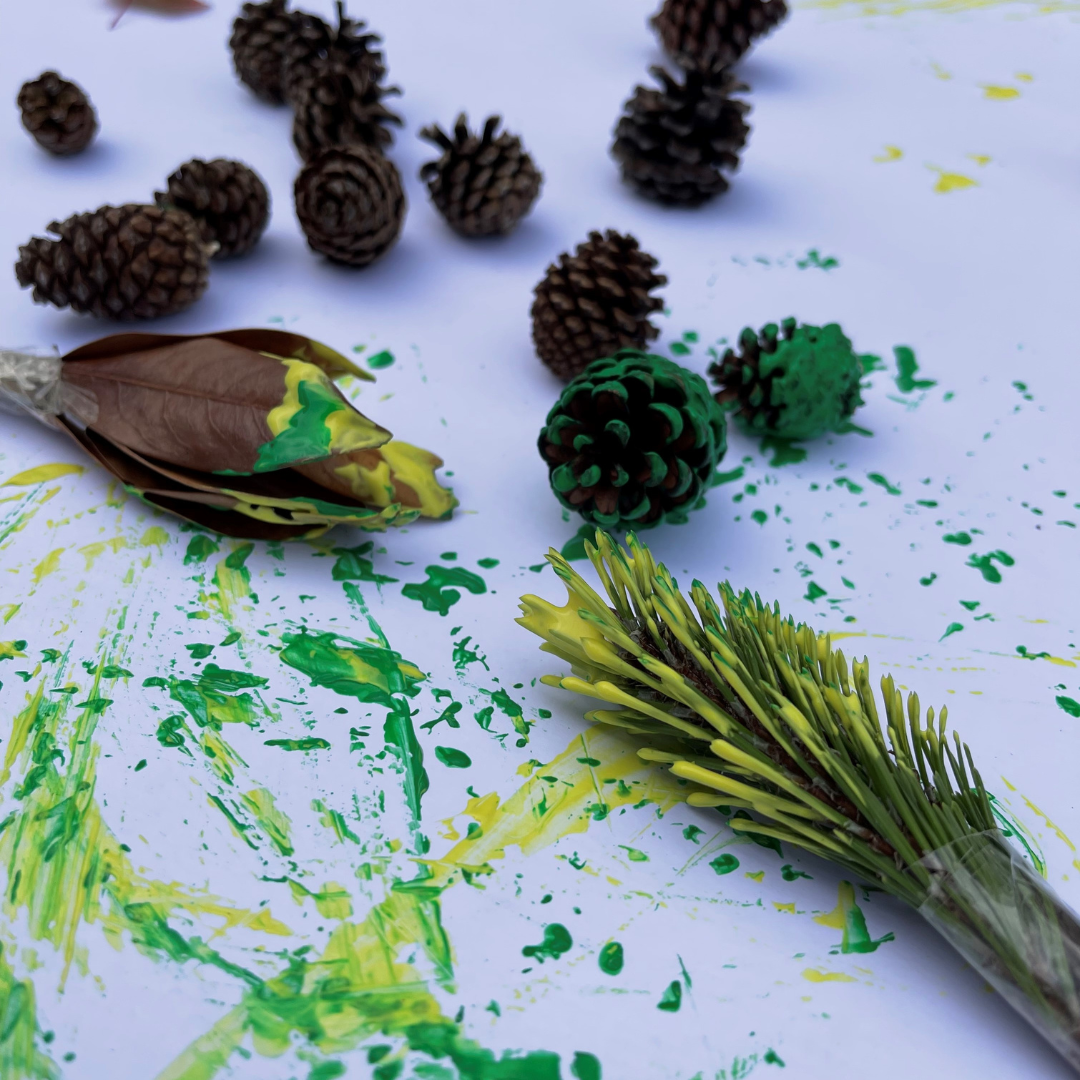
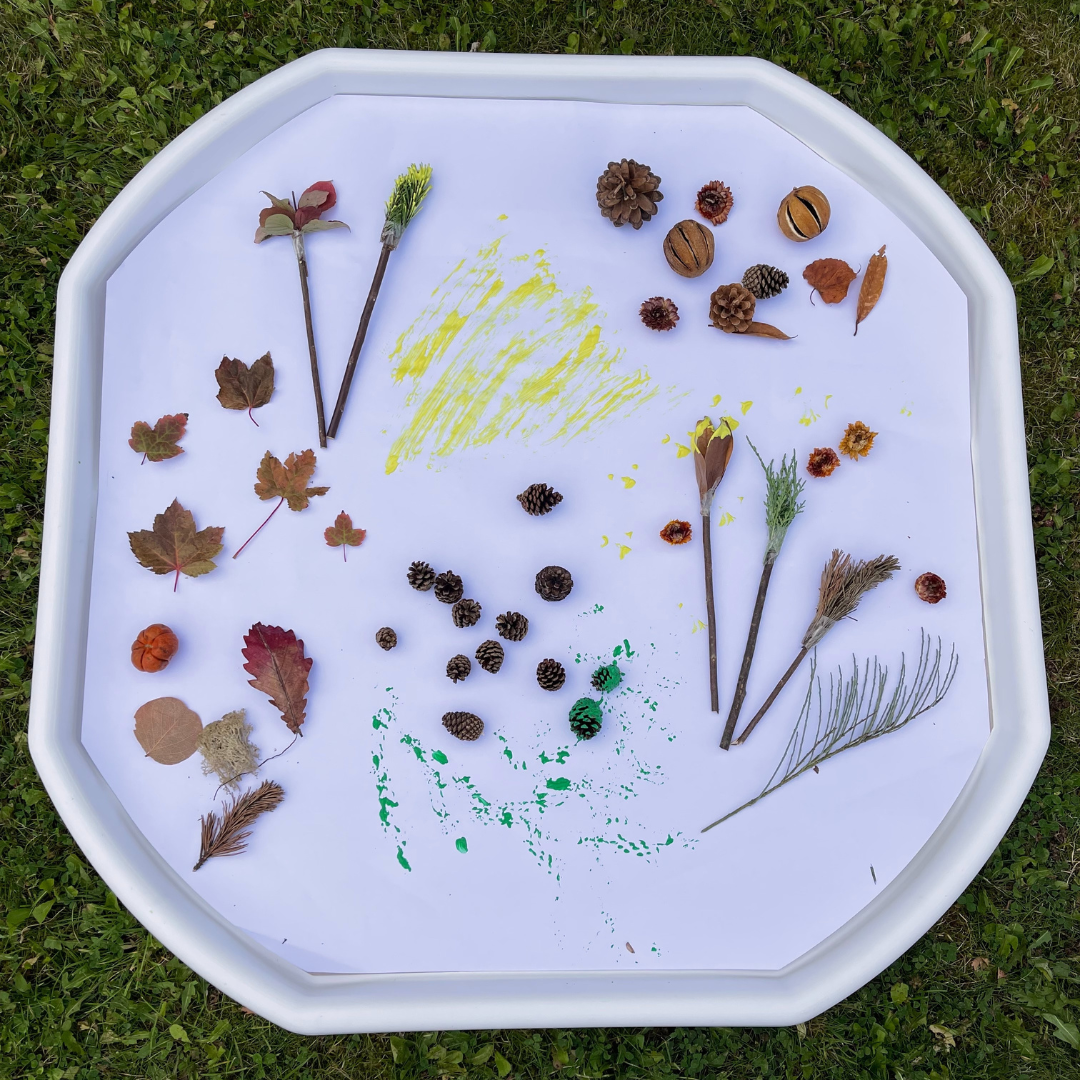
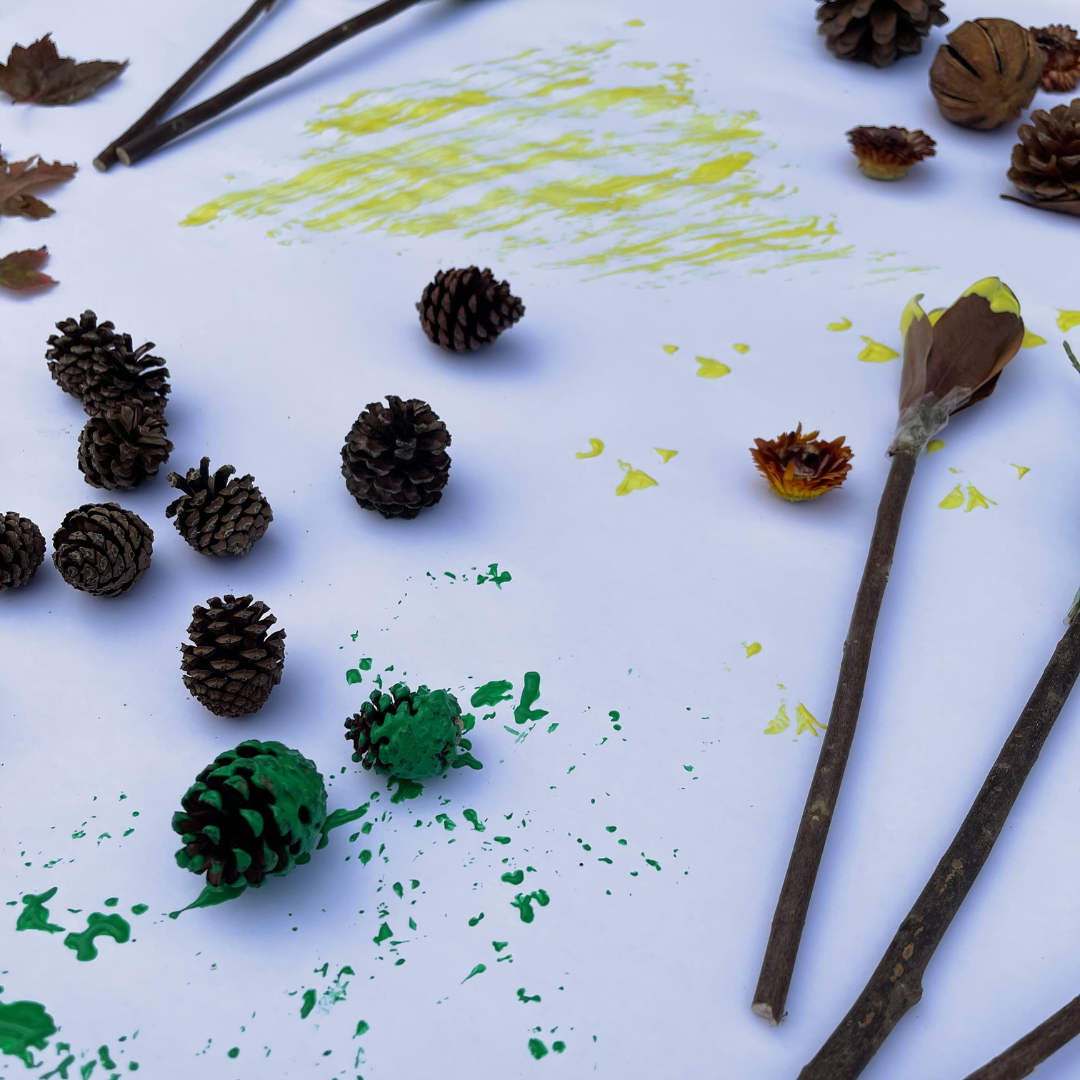
Children begin by heading outdoors to search for materials to paint with, such as pine cones, leaves or twigs. This encourages exploration and critical thinking—will the object make a good brush? What kind of pattern will it create?
Children can then experiment with how they use their materials, whether wrapping leaves together or rolling pine cones in paint for textured effects.
For more creative outdoor art activities, check out our Top 30 EYFS Outdoor Activities.
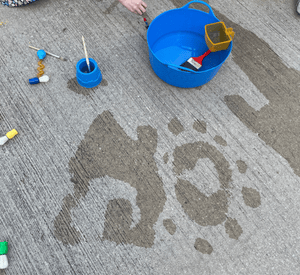
2. Water Writing
You will need:
- A selection of pouring utensils
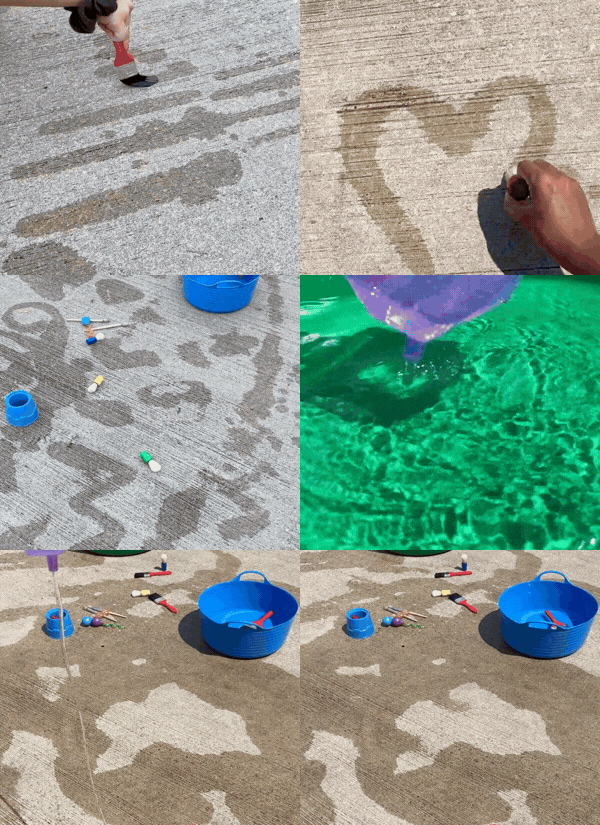
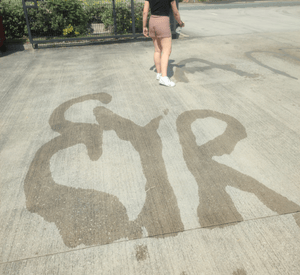
Perfect for warmer days, children can fill containers with water and practise mark making on outdoor surfaces. This can range from simple lines and shapes to forming letters and words.
Quick tip: The water will dry quickly, allowing children to practise again and again without waste.
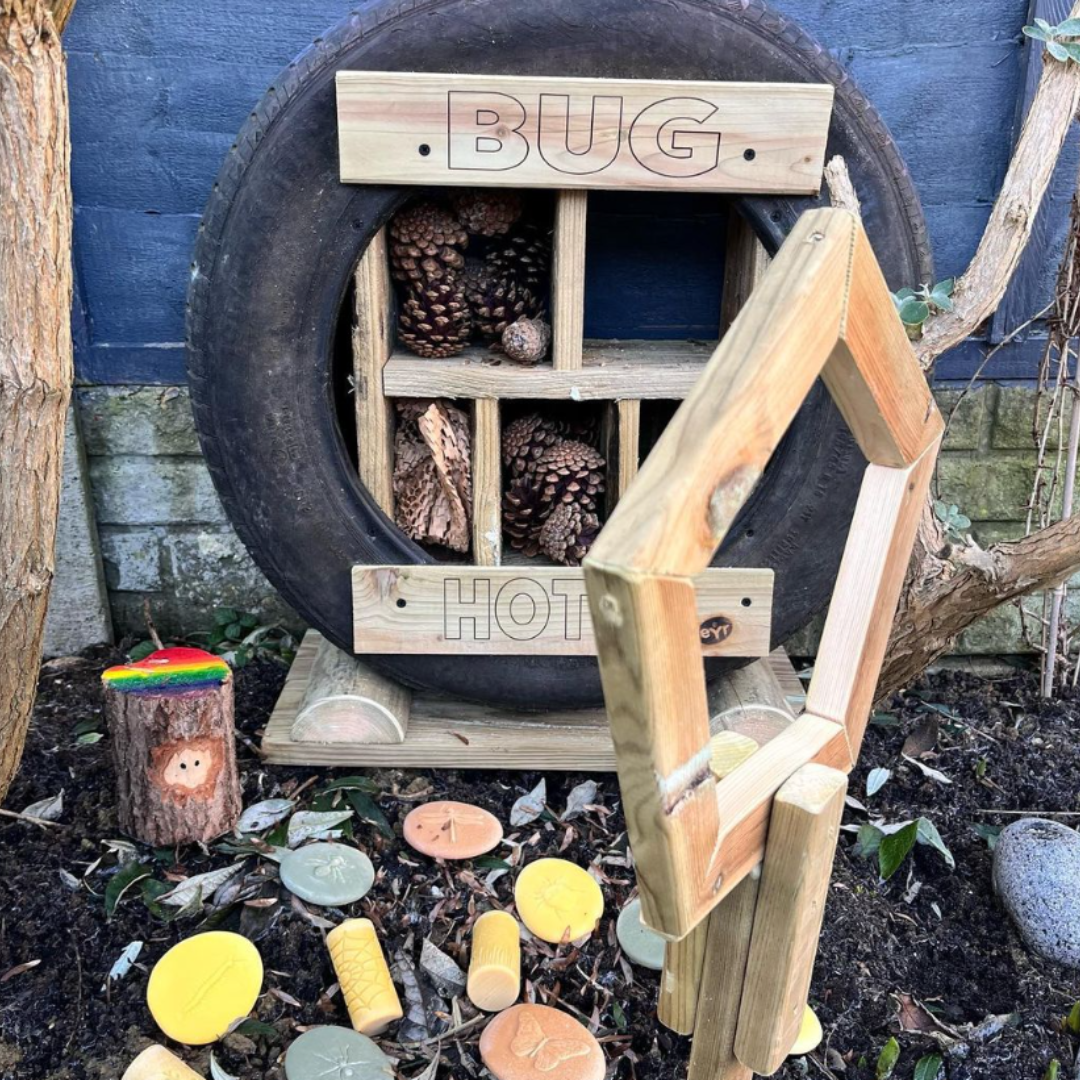
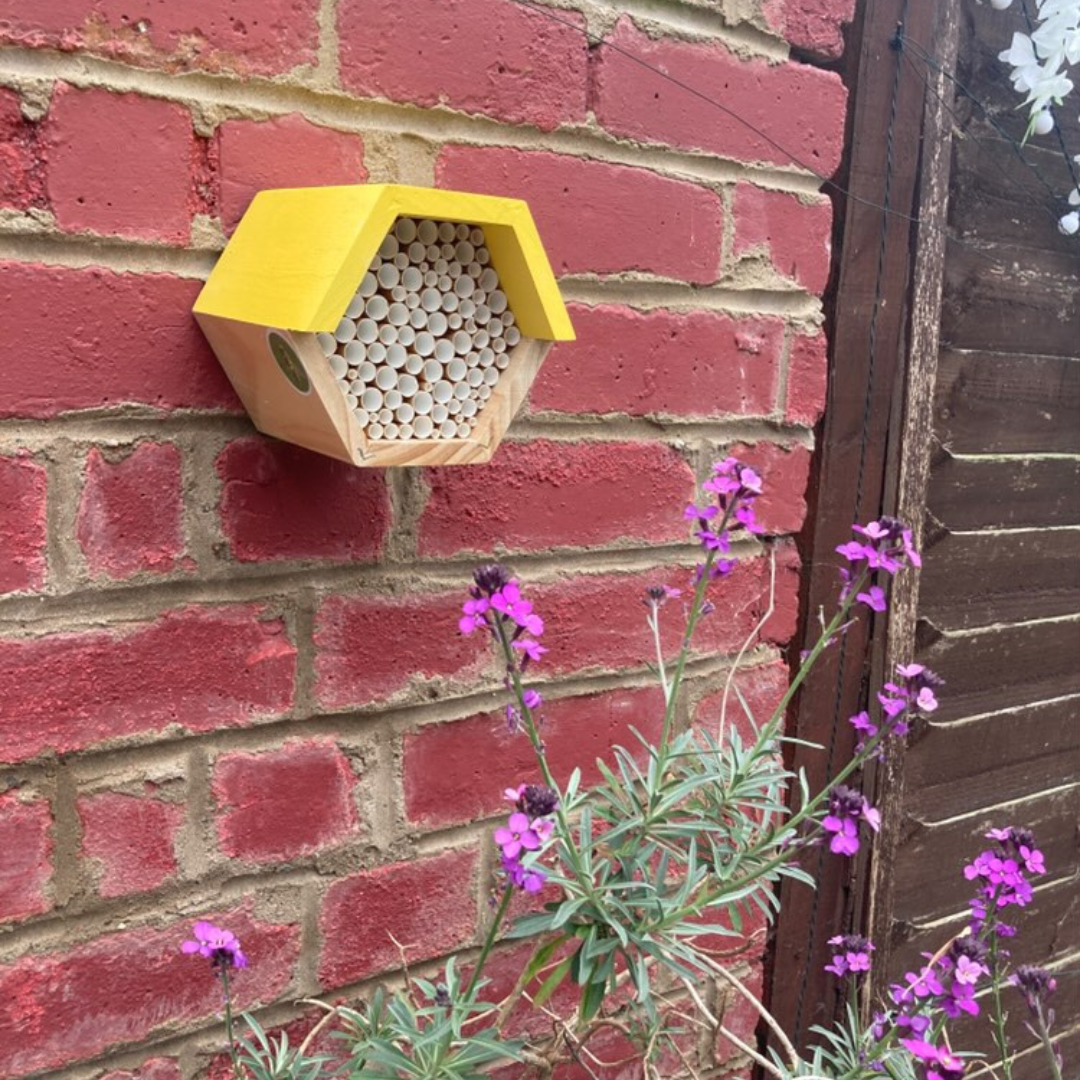
3. Habitat Project
You will need:
- Recycled materials (e.g. tyres)
- Natural resources like wood or hay
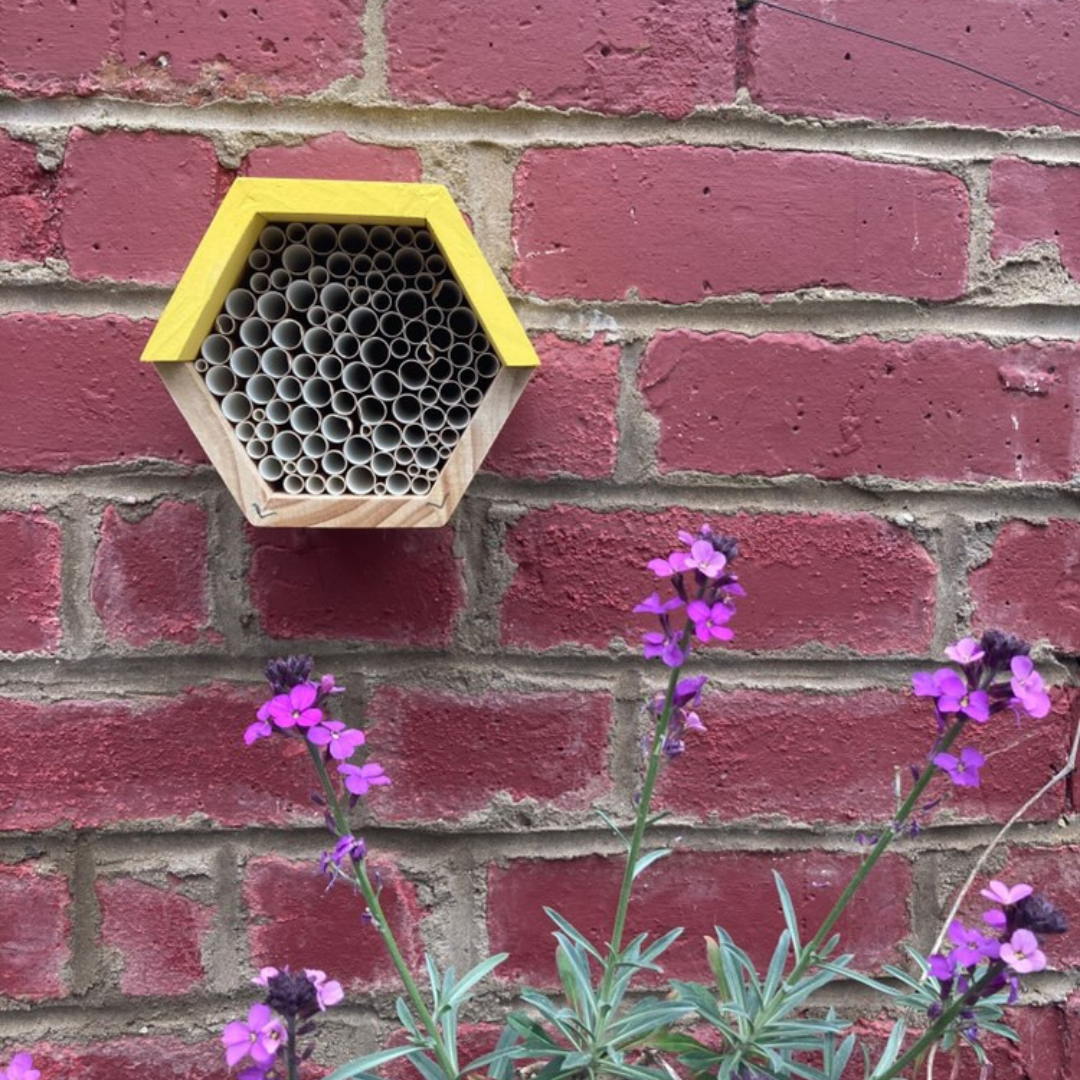
Children work together to design and build a habitat for a chosen animal or insect. Begin by discussing what the creature needs—space, shelter, darkness, or access to water.
This activity promotes teamwork, problem-solving, and understanding of the natural world.
4. Shadow or Mirror Drawing
You will need:
- Tuff tray
- Paper pad or mirror mat
- Natural resources
- Drawing or painting materials
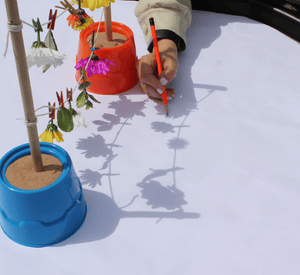
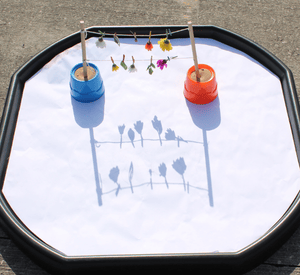
Suspend objects above paper to create shadows for children to trace, developing fine motor skills while exploring how shadows form.
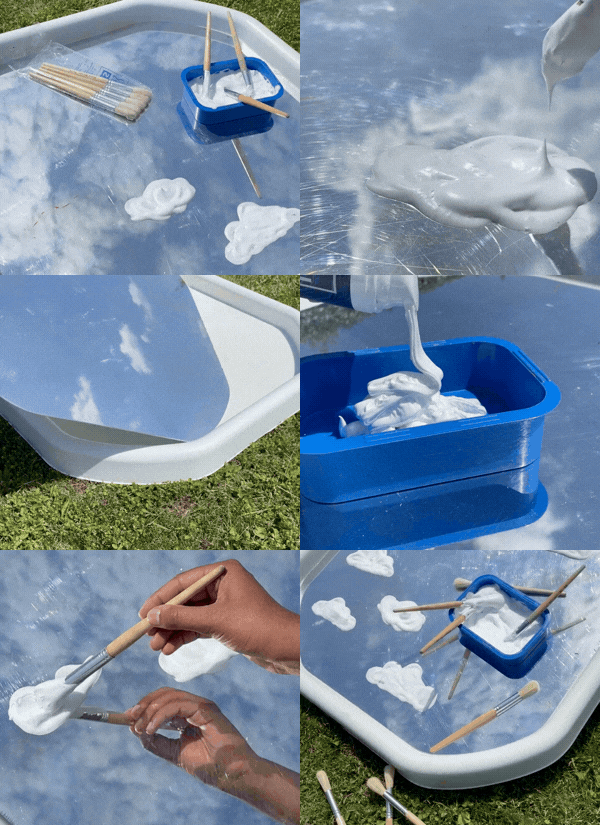
Alternatively, use a mirror mat to observe and recreate reflections, encouraging discussion about light, reflection, and the environment.
5. Solar S’mores
You will need:
- A box with a lid
- Foil
- Skewer stick
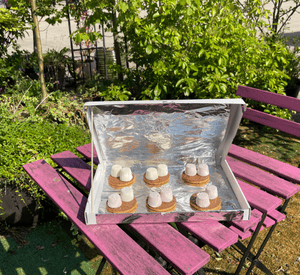
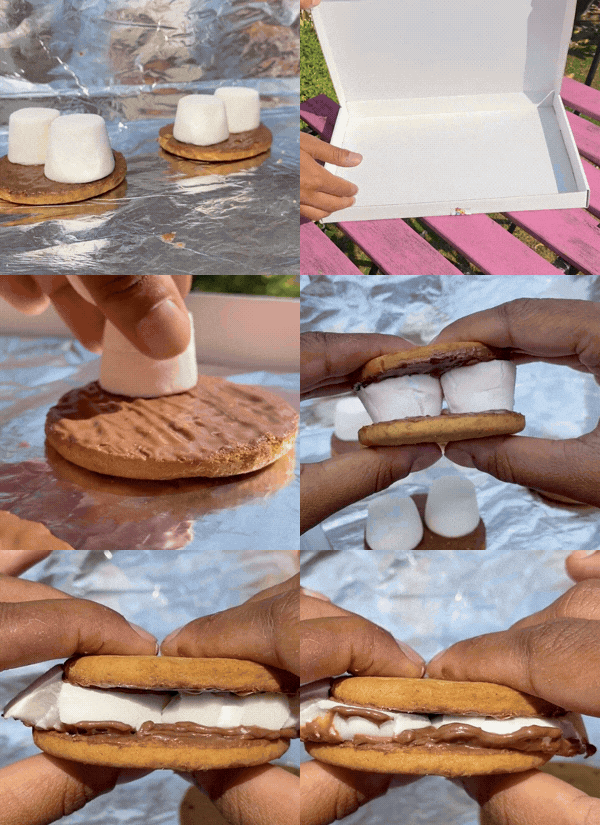
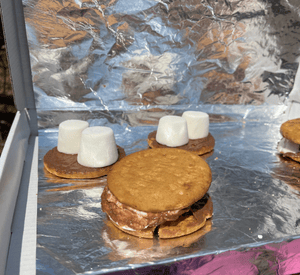
Create a simple solar oven by lining a box with foil and placing marshmallows on biscuits inside. Prop the lid open to reflect sunlight and trap heat.
Children can observe how the sun’s energy changes the marshmallows—introducing early STEAM concepts in a fun and engaging way.
Tip: Add cling film over the top to retain heat while allowing sunlight through.
6. Tree Rubbing
You will need:
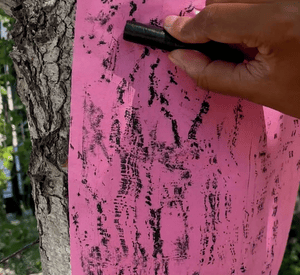
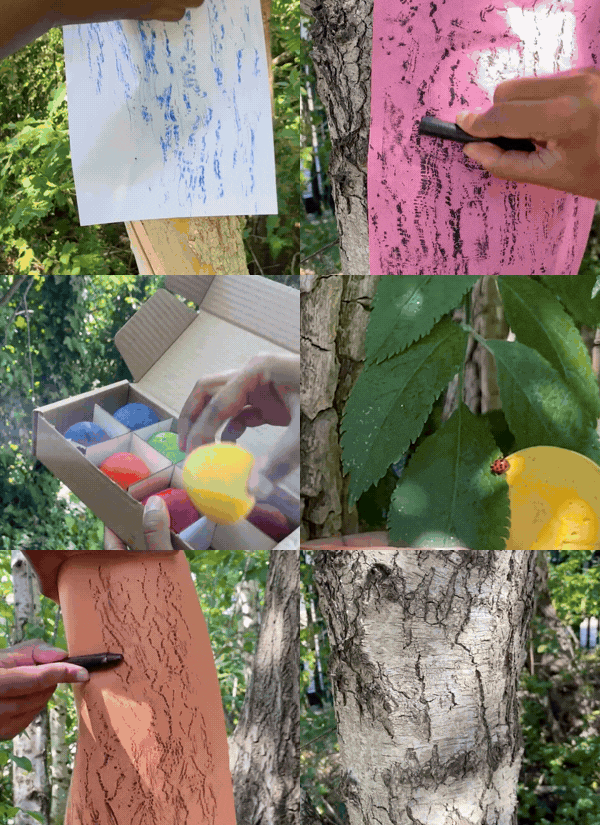
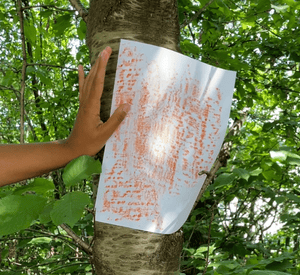
Children place paper against tree bark and rub over it to reveal textures and patterns. This simple activity builds awareness of the natural environment and introduces observational drawing.
7. Bug Hunt
You will need:
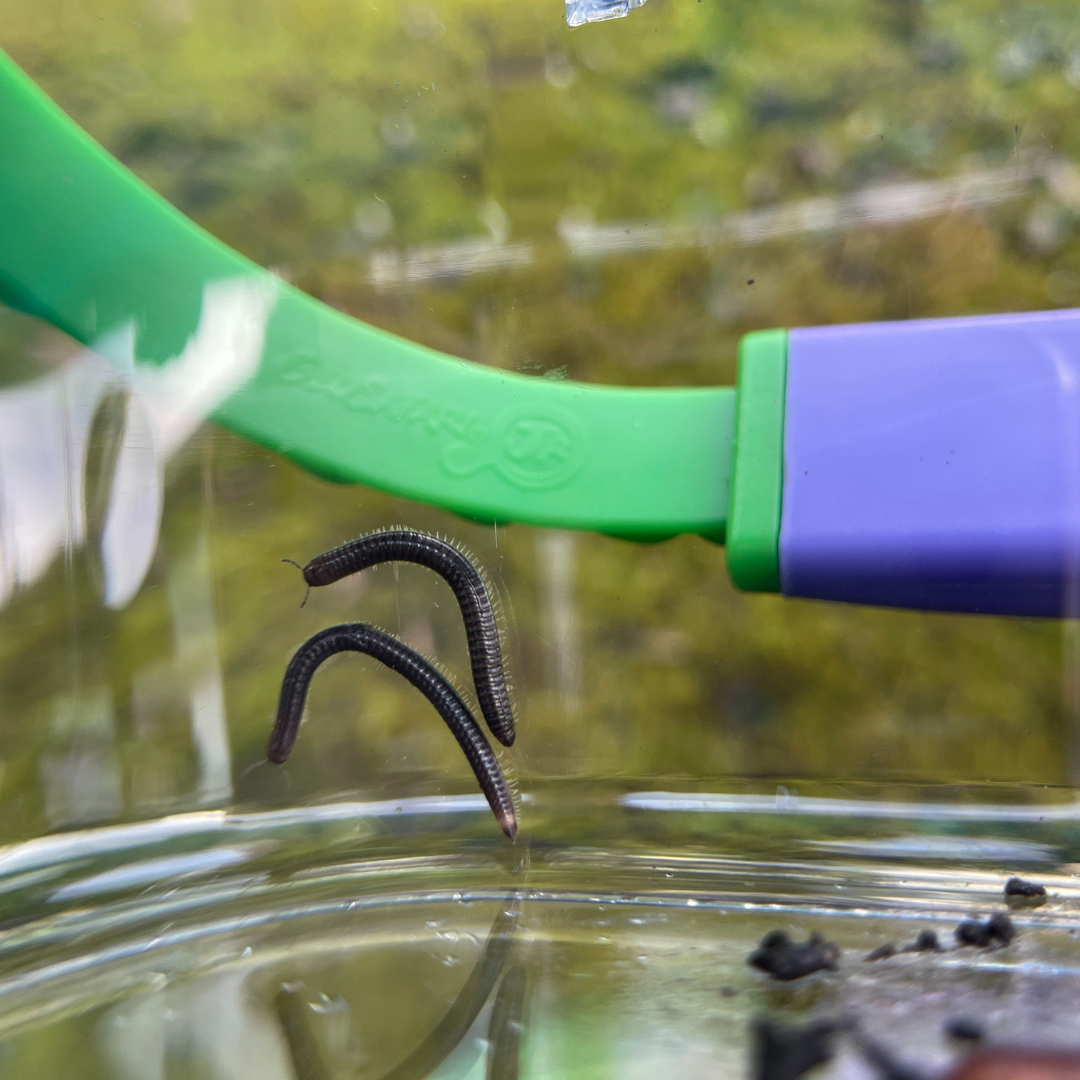
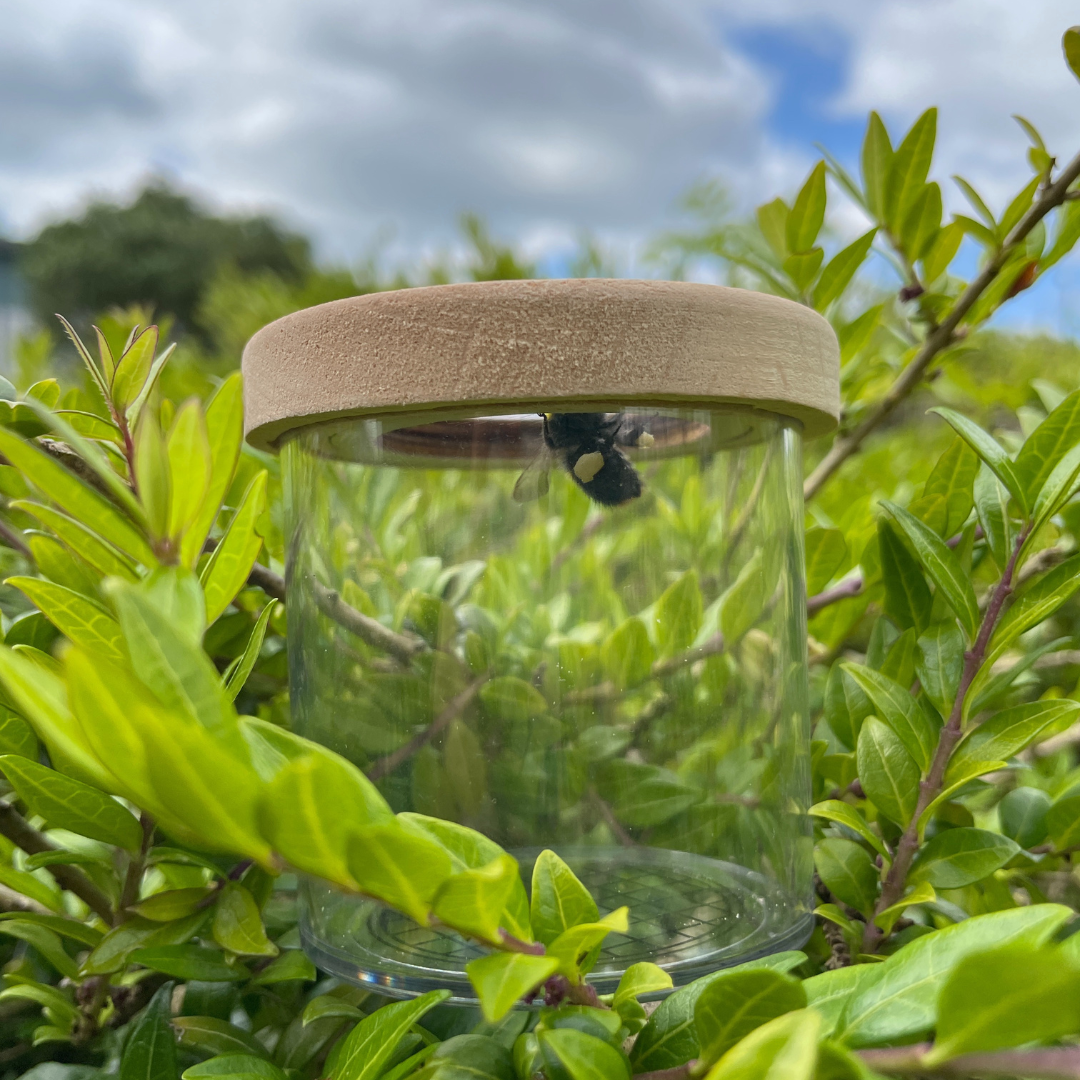
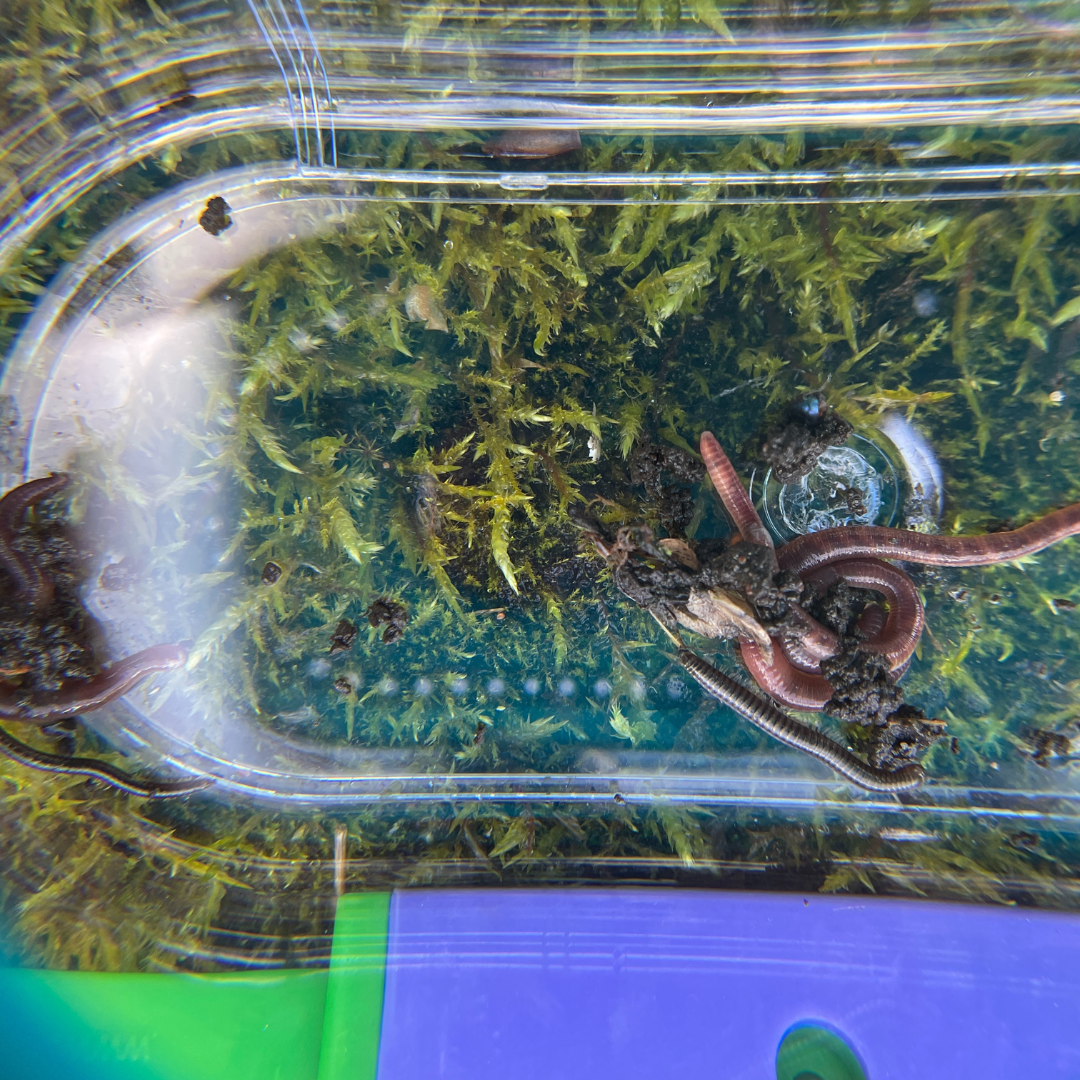
Children explore outdoor areas to find minibeasts, developing curiosity and understanding of ecosystems.
Using magnifying tools allows closer observation and supports discussions about features, colours, and habitats.
8. Forest Faces
You will need:
- Natural clay
- Foraged materials
- Trees
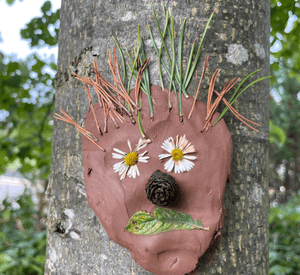
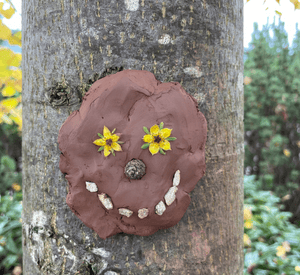
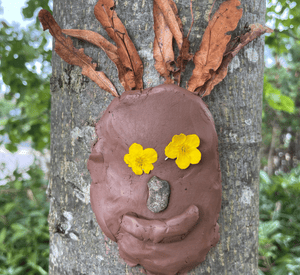
Children collect natural materials and use clay to sculpt faces onto tree trunks. This activity strengthens fine motor skills and encourages creativity.
It also combines outdoor exploration with expressive arts and design.
9. Sink or Float Investigation
You will need:
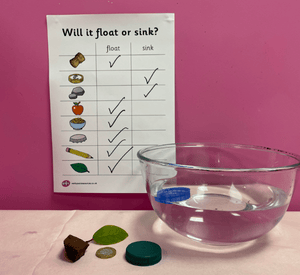
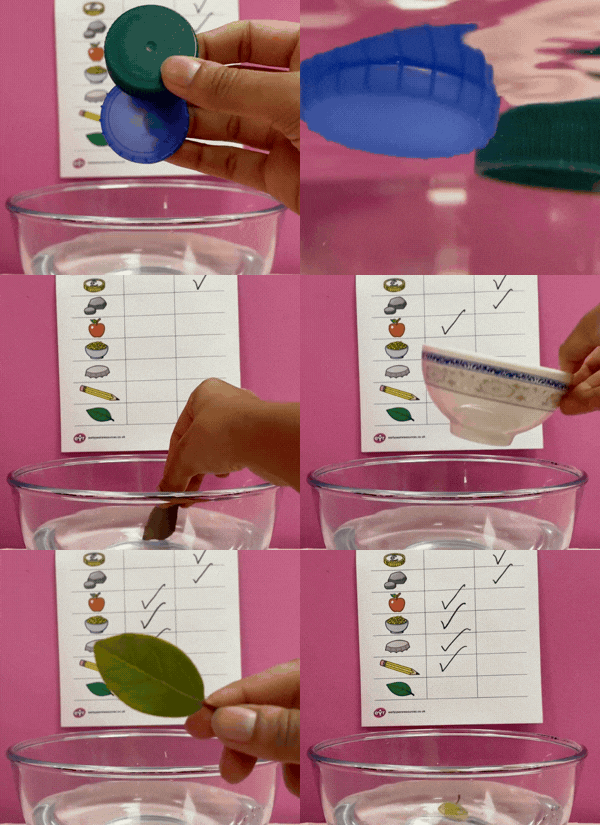
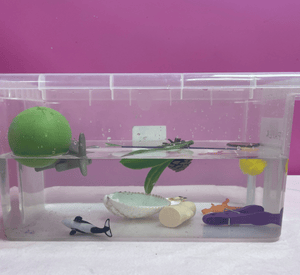
Children collect natural objects and predict whether they will sink or float, then test their ideas.
This introduces early scientific thinking and encourages observation and discussion.
How to Set Up an Outdoor Classroom
To make the most of your outdoor space:
- Create zones for different activities (creative, sensory, investigation)
- Use durable, weather-resistant resources
- Rotate activities regularly to maintain engagement
- Encourage child-led exploration
FAQs About Outdoor Classroom Activities
What are outdoor classroom activities?
Outdoor classroom activities are structured or free-play learning experiences that take place outside, using natural or educational resources.
How do outdoor activities support EYFS?
They support physical development, communication, and understanding of the world through hands-on learning.
What equipment do you need for outdoor learning?
Simple resources such as water containers, natural materials, and recycled items can create rich learning experiences.
Final Thoughts
Outdoor classroom ideas don’t need to be complex or expensive. With simple resources and a creative approach, you can provide meaningful learning experiences that support children across all areas of the EYFS framework.
We’d love to see your outdoor learning in action—share your activities with us on social media by using #ExploreWithEYR.
If you’re looking to expand your outdoor provision, explore our range of outdoor learning resources including loose parts, mud kitchen equipment, and gardening tools.
