
5 Fun STEM Science Experiments for Kids to Explore at Home
Posted by EYR Team on 16th Dec 2024
read moreScience is a fantastic way to introduce young children to STEM learning through hands-on exploration and discovery. Simple science experiments encourage curiosity, problem-solving, and observation skills — all key areas of early years development.
In this blog, we share five fun and easy STEM science experiments for early years children that can be enjoyed at home or in the classroom using simple, everyday materials. These activities are designed to help children explore scientific concepts in an engaging and age-appropriate way.
Why Science Experiments are Important in Early Years
Science experiments give children the opportunity to explore how things work through first-hand experience. In early years settings, this supports:
- Curiosity and questioning
- Observation and prediction
- Cause and effect
- Early scientific vocabulary
- Problem-solving and critical thinking
Many of these experiments also link closely to EYFS – Understanding the World, helping children make sense of the environment around them.
1. Play Foams Clouds Experiment
What you'll need:
- A glass jar or beaker
- Pipettes
- Play foam
- Blue food colouring
- Water
How to do it:
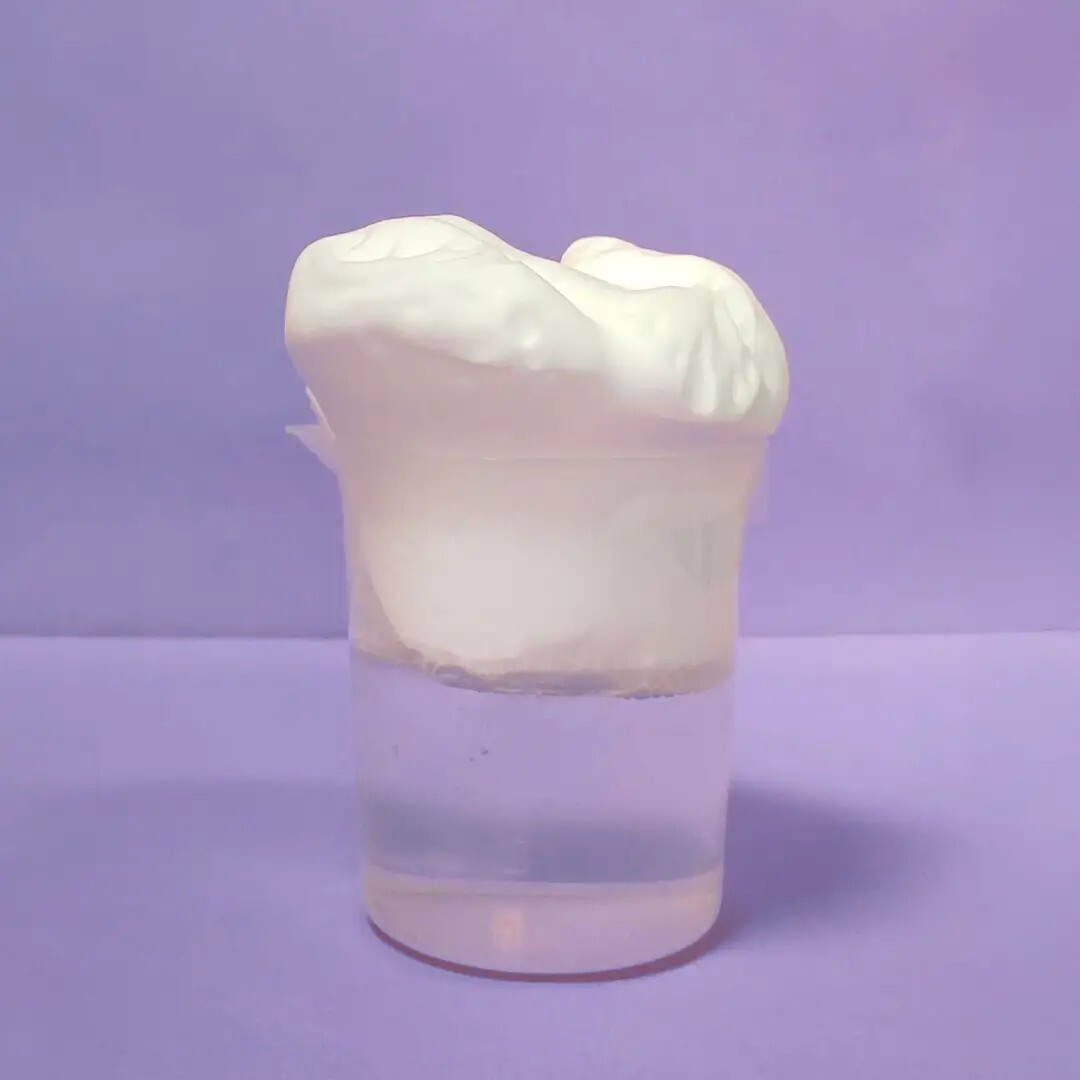
Fill a glass halfway with water and top the glass up with play foam to look like clouds. While the foam is setting, add about 10 drops of blue food colouring to a small container, and top up with water.
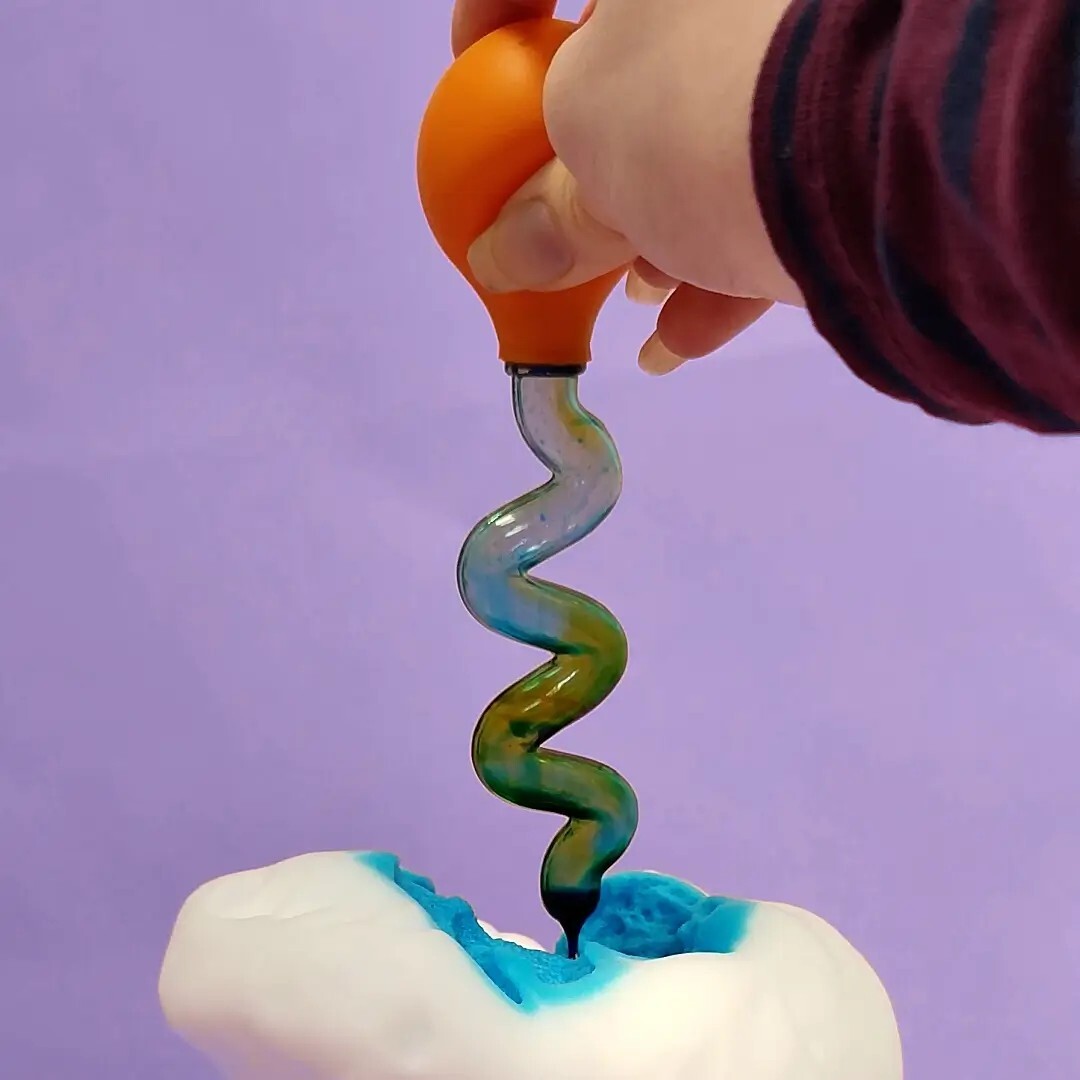
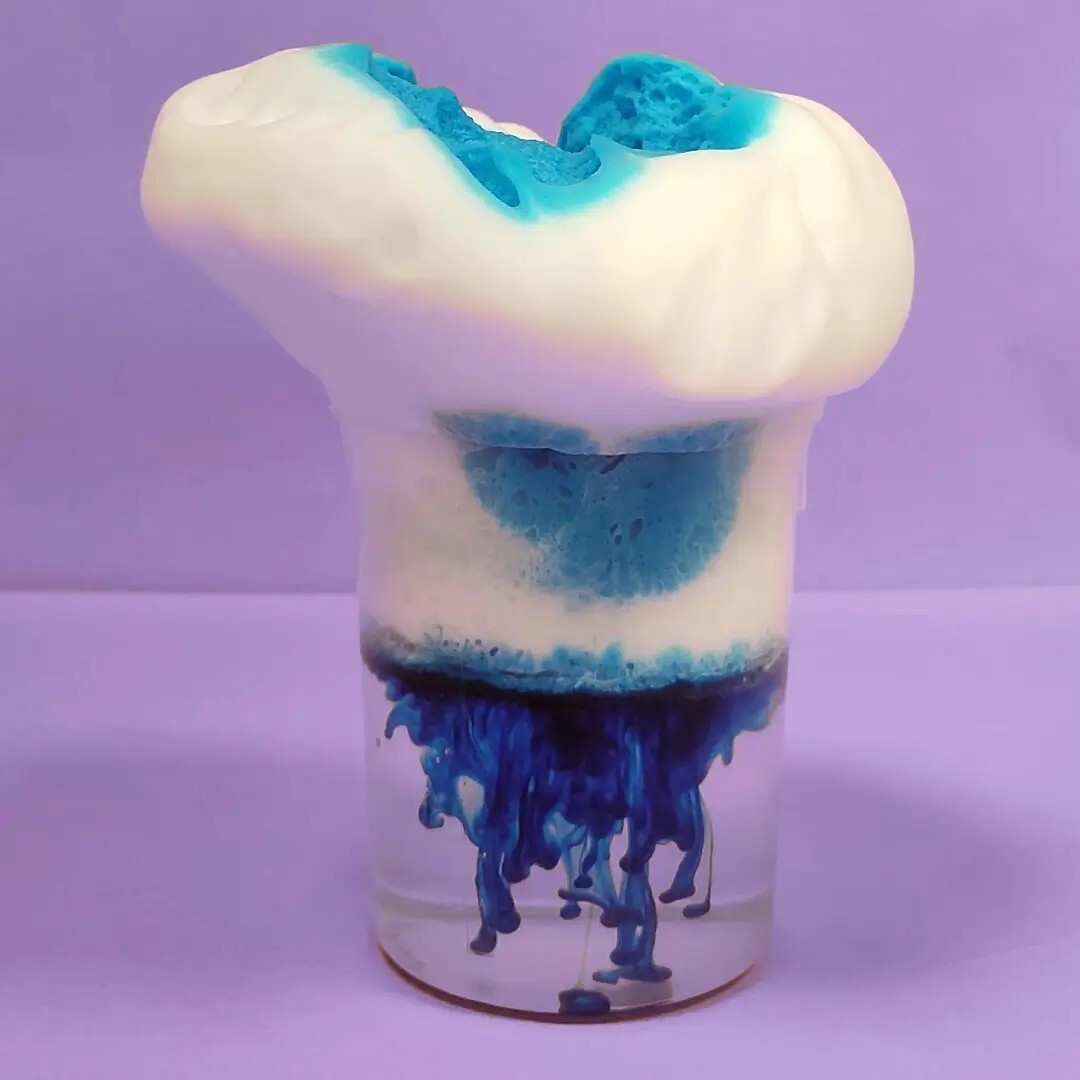
Use a pipette to suck up the coloured water, and pour it over the play foam. Watch as the blue colouring travels through the foam clouds and looks like rain in the glass!
What children will learn:
- Exploring different textures and materials
- Weather concepts (clouds and rain)
- Developing descriptive language
Age suitability: 3–5 years
Adult supervision recommended
2. Colour Changing Flower Experiment
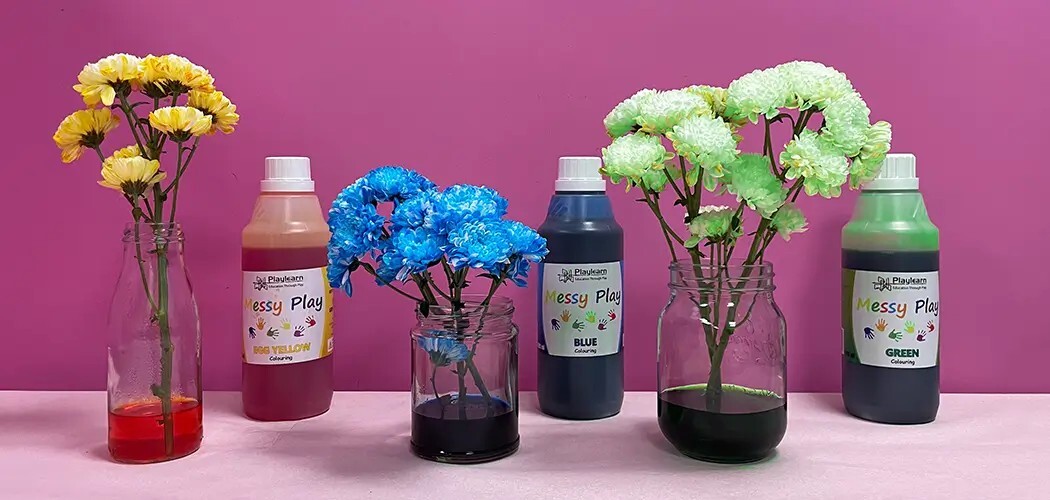
What you'll need:
- White flowers such as carnations
- Food dye in at least 3 different colours
- Glass jars
- Water
How to do it:
Fill each glass jar about 1/4 full with water. Add 10-20 drops of one colour into each jar. Place a small bunch of white flowers in each jar then leave them in a sunny place, and wait!
Starting from a few hours you should begin to see the flowers change colour. Monitor the flowers daily to track their progress!
What children will learn:
- Cause and effect
- Capillary action
- Observation of colour changes
Age suitability: 3–6 years
3. Growing Cress Experiment
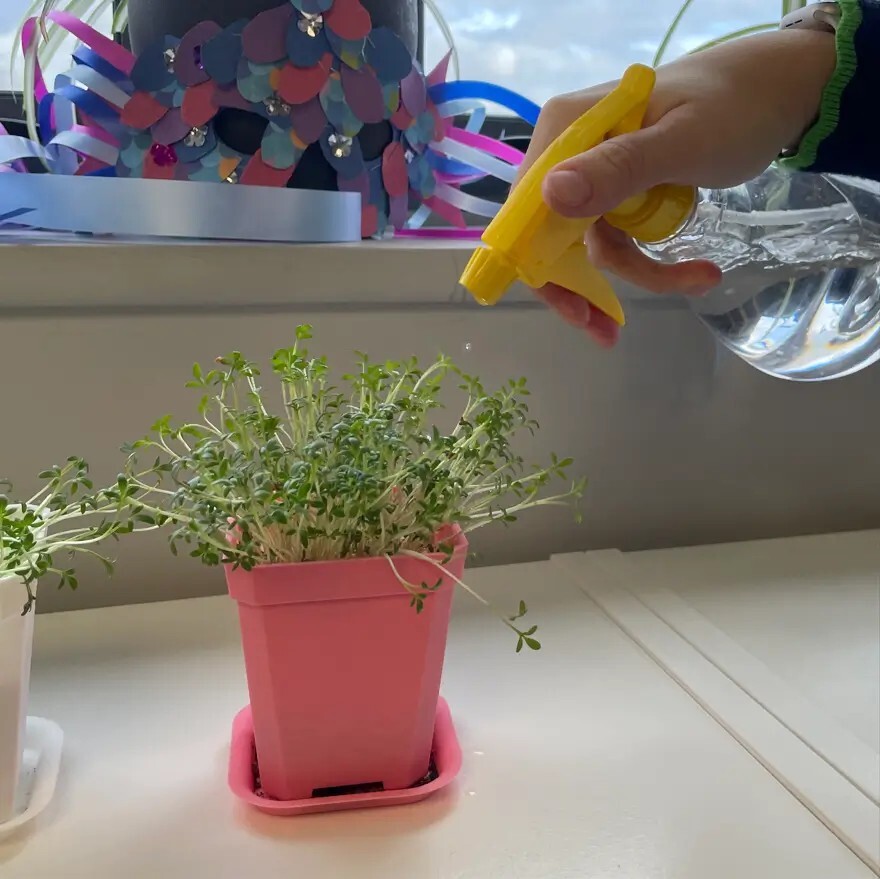
What you'll need:
- Containers such as plant pots, egg shells, or empty yoghurt pots
- Cress seeds
- Soil
- Paper towels
- Cotton wool
- Water
How to do it:
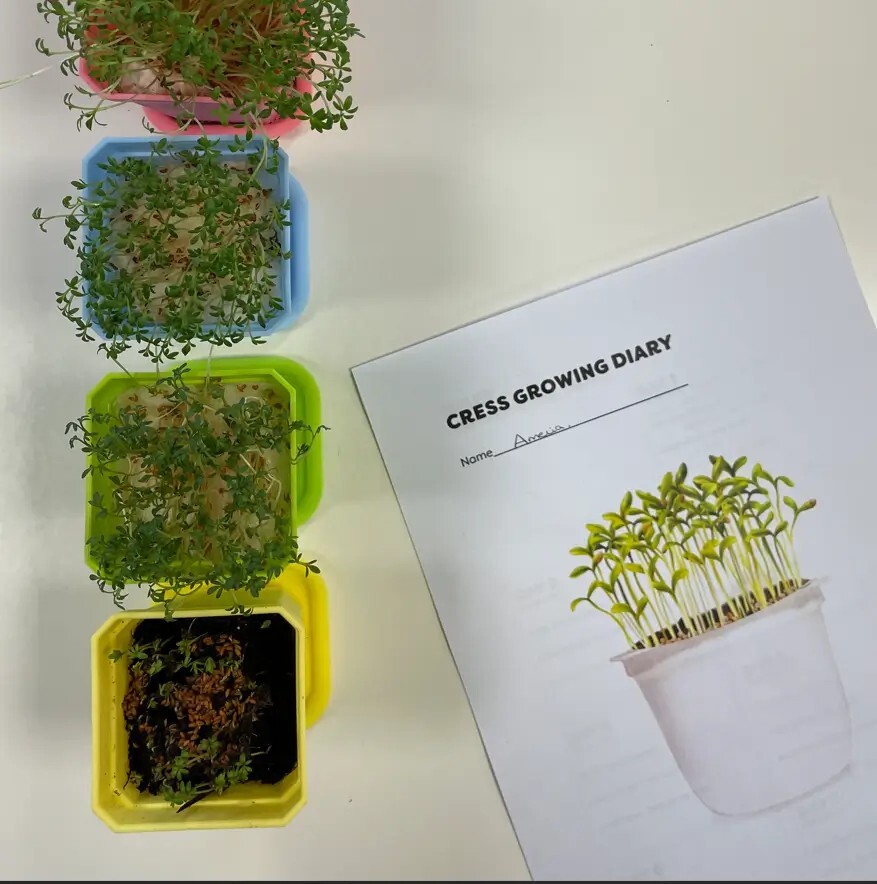
Fill one container halfway with soil, add some cress seeds, and top up with soil. Fill another halfway with damp cotton wool, and add some cress seeds on top. Finally, fill another halfway with damp paper towels, and add some cress seeds on top.
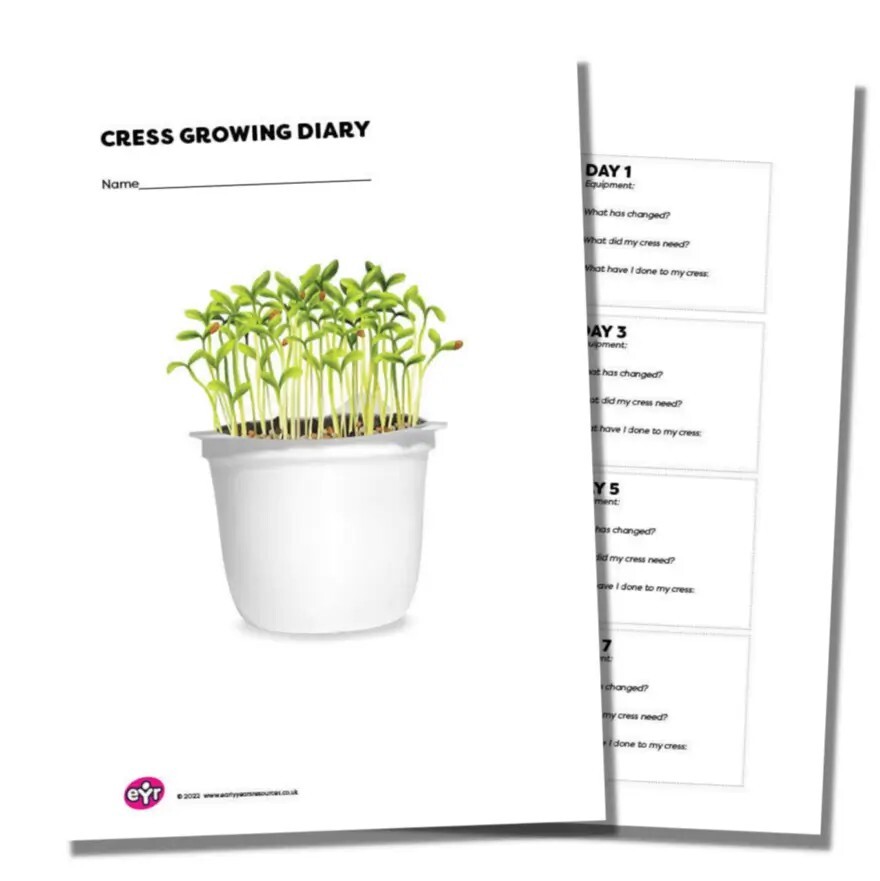
Monitor the cress growth using our free Cress Growing Diary and record details like equipment used and appearance.
What children will learn:
- Observing changes over time
- Understanding plants and the natural world
- Developing scientific vocabulary
Age suitability: 3–5 years
4. Baking Soda Volcano
What you'll need:
How to do it:
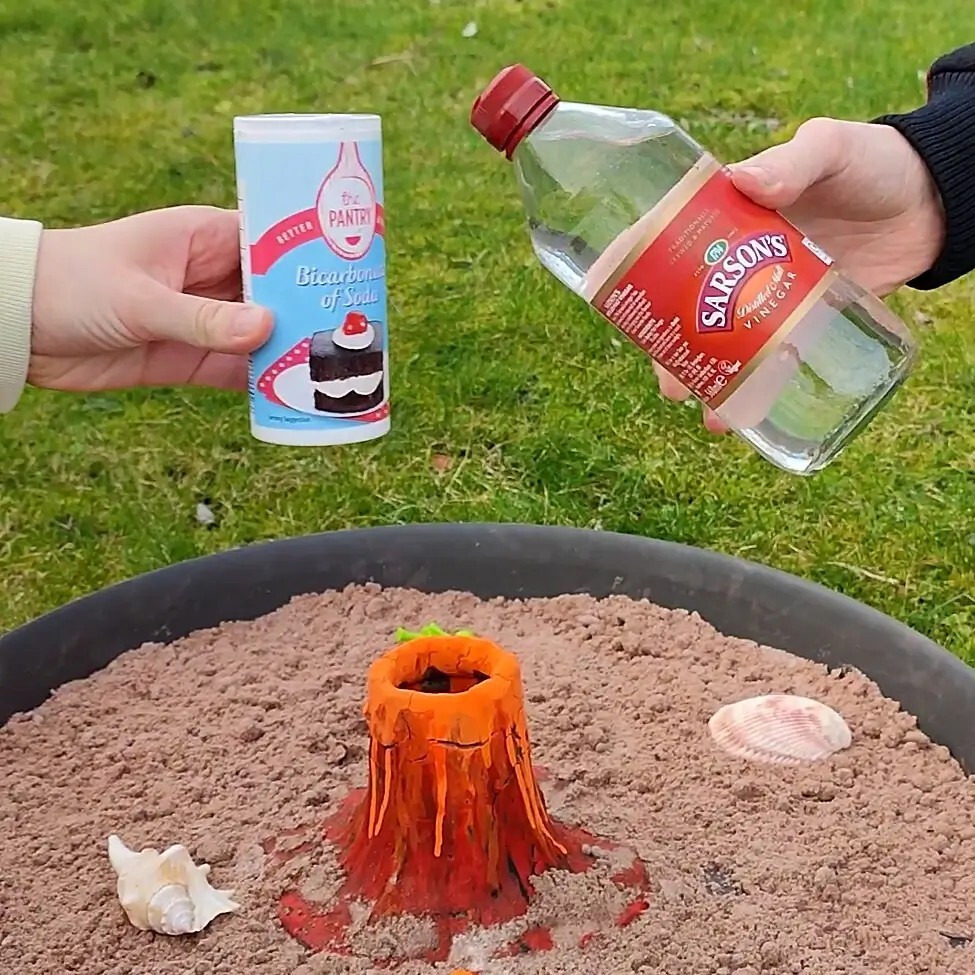
Add a few drops of food dye to the bottle, followed by the dish soap and then the baking soda. Mix all together until you get the desired colour.
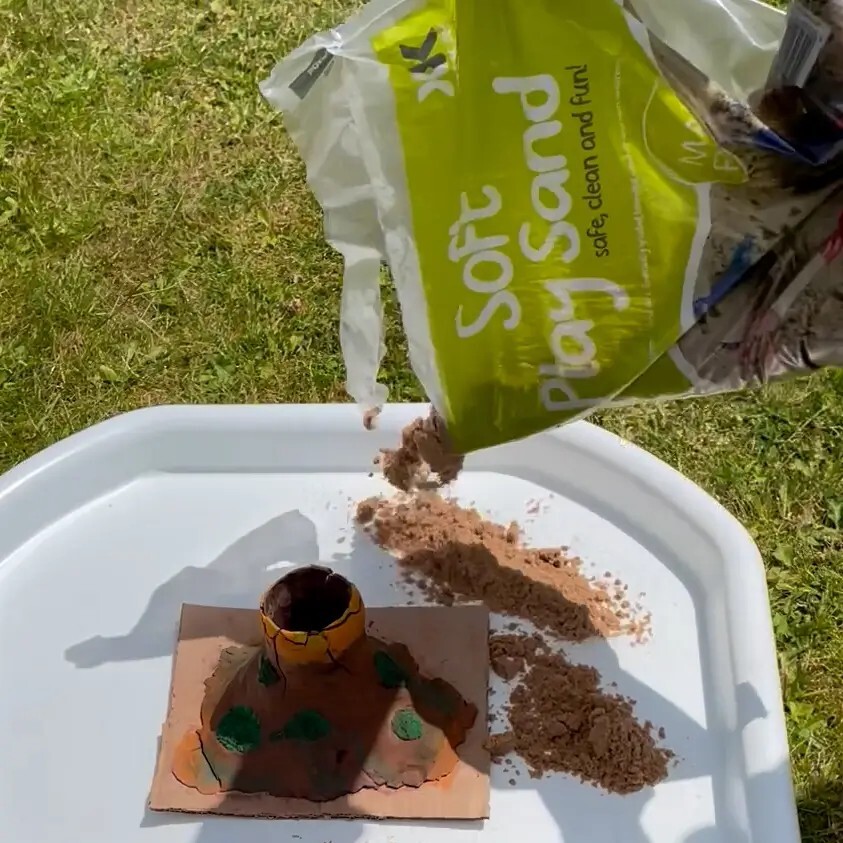
Use the clay to create a volcano structure around a plastic bottle. Once the clay is dry, paint and decorate how you like!
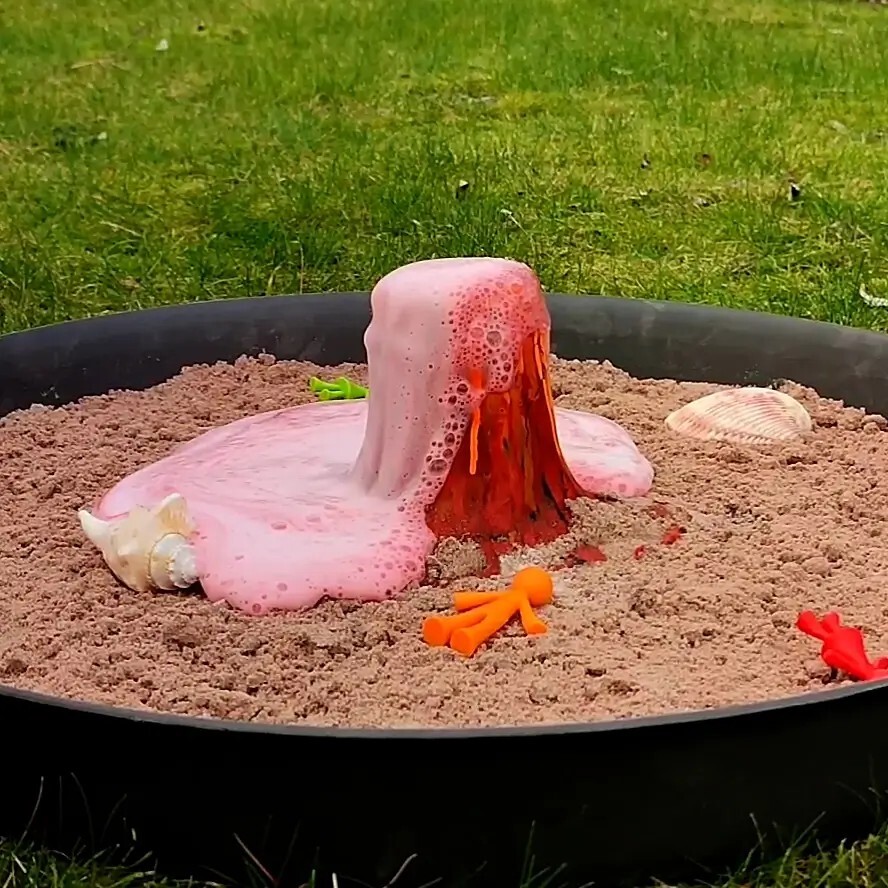
Put the volcano in a place where you don't mind mess, such as outside. We lined the base of a tuff tray with soft play sand to set the scene. Finally, add a cup of vinegar and watch the volcano erupt!
What children will learn:
- Simple chemical reactions
- Making predictions and testing ideas
- Observing changes over time
Age suitability: 4–7 years
Adult supervision recommended
5. Glitter Germ Experiment 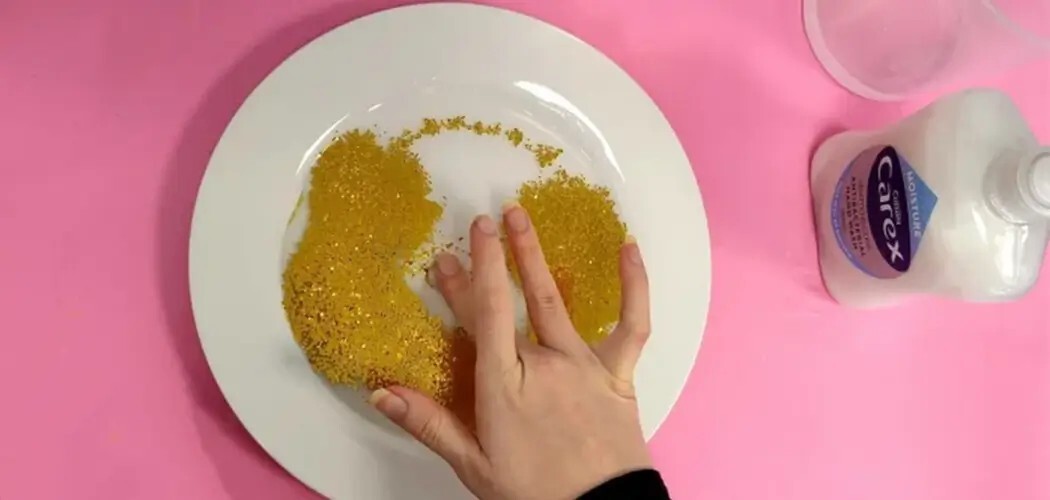
What you'll need:
- A shallow dish
- Water
- Glitter
- Liquid hand soap
How to do it:
Pour water into the shallow dish, then add glitter. Try putting your finger in the glittery water, and notice that the glitter remains in place. Then, try adding some soap to your fingers, and once more put your finger in the glittery water. Watch as the glitter quickly moves away!
What children will learn:
- Simple reactions
- Inquiry and prediction
- Observing changes over time
Age suitability: 3–6 years
Adult supervision recommended
Support STEM Learning with Simple Questions
Encourage deeper thinking during these experiments by asking:
- What do you think will happen?
- Why do you think that happened?
- What would happen if we changed _____?
Open-ended questions like these help children articulate ideas and build confidence in scientific reasoning.
Frequently Asked Questions
Are these experiments suitable for very young children?
Yes! Most experiments are suitable for ages 3–7, but have an adult guide the activity and ensure safety.
Can these activities be done in early years classrooms?
Absolutely — all of these experiments work well in early years settings and support early scientific understanding.
Do these experiments link to STEM learning goals?
Yes — each activity encourages curiosity, observation, prediction, and discussion — key skills in early science and STEM learning.
Explore More Early Years STEM Inspiration
If you enjoyed these experiments, take a look at our early years science and STEM resources, designed to spark curiosity and support hands-on learning both at home and in the classroom.