

Early Years Mark Making: Importance, Benefits & Ideas
Posted by EYR Team on 10th Nov 2025
read more
Mark making in early years settings is much more than random scribbles on paper. These early marks are a child's first steps into writing, drawing and communicating. By encouraging early years mark making, practitioners and parents can help children develop fine motor skills, creativity, and the foundation of literacy.
In this blog, we will explore what mark making is, its importance, the benefits for child development, and practical mark making ideas you can try at home or in the classroom.
What is Mark Making in Early Years?
Mark making refers to the different lines, shapes, patterns, and drawings that children create before they're able to form letters or words. It can be anything from scribbles with crayons and handprints in paint, to chalk marks on the pavement or patterns made in mud or sand.
For young children, these marks are more than play, they are the foundations for writing and an important way to express thoughts, feelings and discoveries about the world around them.

Benefits of Mark Making in Early Years
Mark making plays a vital role in early childhood development. There are many benefits of early mark making, including:
Supports Fine Motor Development
Mark making helps children strengthen the small muscles in their hands, wrists and arms. These fine motor skills are essential for tasks such as holding a pencil, using scissors or fastening buttons.
Build Early Literacy Skills
Before children can write letters and words, they need to experiment with lines, shapes and patterns. Mark making gives them the confidence to see that marks can represent meaning - a crucial step towards reading and writing.
Encourages Creativity and Self-Expression
Through mark making, children experiment with colour, texture and different materials. It gives them a safe and creative way to express their emotions, ideas and imagination.
Helps Children to Explore the World Around Them
Mark making often happens during play, whether that's drawing shapes in sand, splashing paint, or scribbling in a notebook. These activities help children explore cause and effect, patterns, and their own sense of identity.
Mark Making Activities and Ideas for Early Years
Mark making does not require any special tools - it can be encouraged almost anywhere, using simple everyday materials. Why not try out some of our fun ideas:
Use Everyday Materials for Mark Making:
- Chalk on pavements or blackboards
- Crayons, pencils, felt tips or paintbrushes
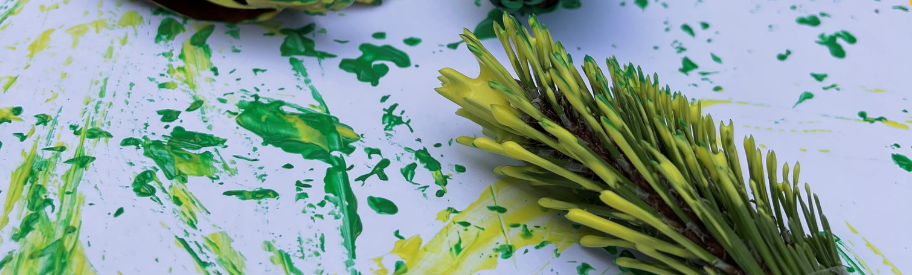
- Sticks, leaves or even pebbles
- Sponges and rollers with paint
- Finger paints for sensory exploration
Explore Indoor and Outdoor Mark Making Ideas
- Set up a chalkboard wall for children to experiment freely
- Provide trays of sand, salt or flour for mark making with fingers or small tools
- Use water and paintbrushes on outdoor surfaces for temporary, mess-free marks
- Offer clipboards and paper outside so children can draw what they see in nature.
Supporting Reluctant Mark Makers
Some children may be more hesitant to make marks, especially if they find gripping tools difficult or are adverse to certain textures. Encourage them by:
- Using large-scale activities first (chalk, paint rollers, messy play)
- Offering choice and variety in materials
- Praising effort rather than results
- Joining in and modelling mark making yourself
How Practitioners and Parents Encourage Mark Making
Parents and practitioners can support mark making by offering a variety of activities and ideas that make writing feel fun and natural:
- Talk through marks - ask questions like “ Why did you choose this colour”, or “What do your marks represent?” This helps promote self-reflection and communication.
- Provide a range of tools and materials - this will stimulate children’s curiosity and encourage experimentation
- Create an inviting space - ensure that you have a dedicated area for mark making, keeping materials organised and accessible so children can freely explore and experiment without restriction.
- Make mark making a regular, everyday activity
- Celebrate efforts and display work - this can reinforce their sense of accomplishment and self-esteem.
- Link mark making to other areas of play - like role play, building or outdoor exploration
- Encourage collaboration - this is a great way to promote communication and cooperation.
By creating a positive environment where children feel free to experiment, you'll help them develop confidence and vital early writing skills.
Mark making may look simple, but it is a powerful stage of learning in the early years. Through these first lines, patterns and scribbles, children are developing fine motor control, building literacy foundations and learning to express themselves creatively.
Encouraging mark making doesnt need expensive equipment - just curiosity, opportunities, and support. For even more mark making ideas, explore our full range of mark making resources.
