Budget Literacy Activities for Early Years: 5 Low-Cost Ways to Teach Reading & Writing
Posted by EYR Team on 20th Jan 2025
read more
Teaching early literacy doesn’t have to be expensive — and it certainly doesn’t need to rely on costly resources or specialist kits. Whether you’re a teacher in an early years setting or a parent supporting learning at home, this guide shares five practical, engaging and budget-friendly literacy activities that can be used immediately to support early reading and writing skills.
In this blog, you’ll find creative ideas that use everyday materials, free printable resources and simple play-based activities — all designed to boost children’s confidence with literacy while keeping costs low.
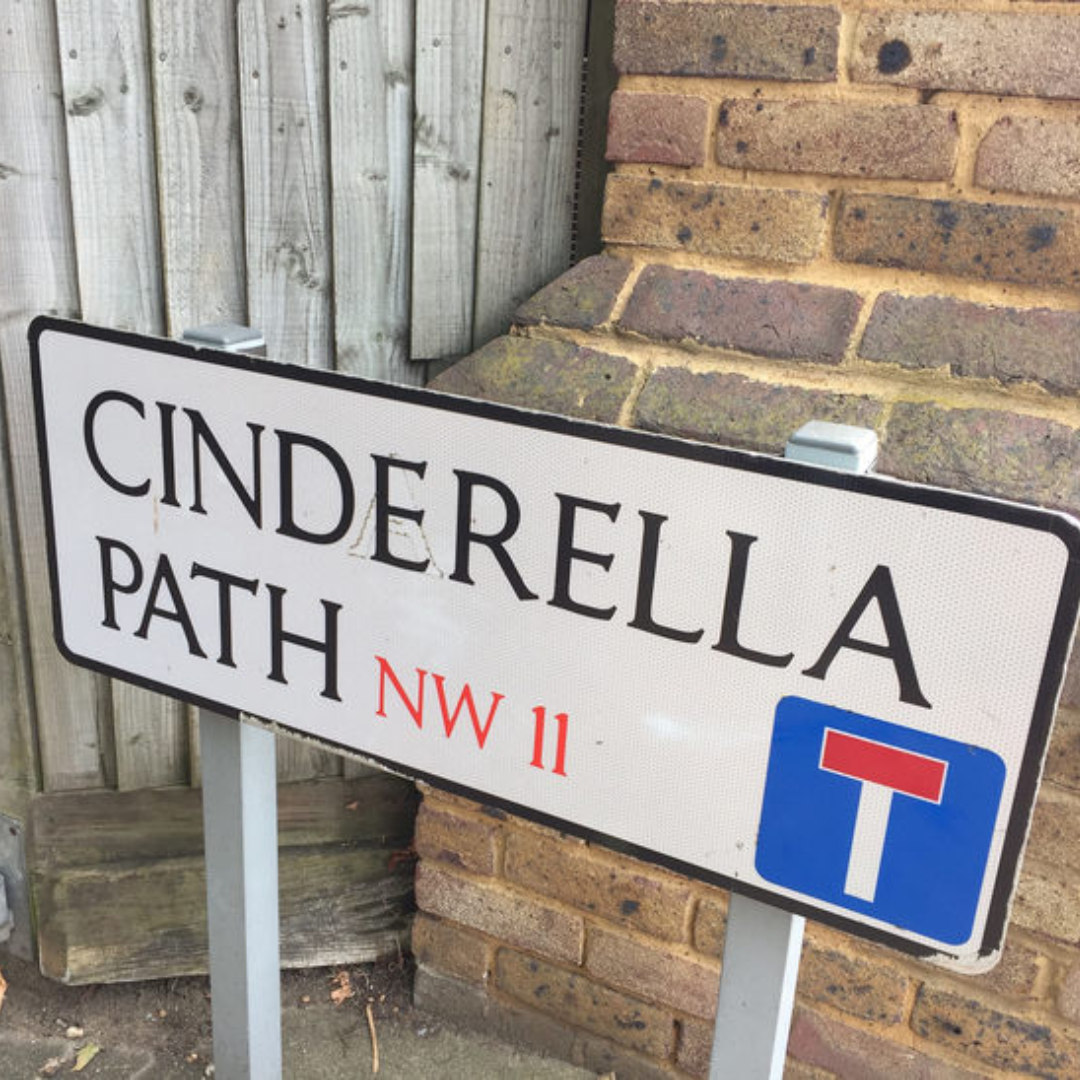
1. Use your Environment for Natural Literacy Learning
Young children are surrounded by literacy opportunities — both indoors and outdoors. Using your environment creatively helps children make meaningful connections between words and the world around them.
Easy Environmental Literacy Ideas
- Outdoor Word Bingo: Create simple word cards and encourage children to spot matching words on signs, labels or posters. This supports word recognition and visual discrimination.
- Storytelling Scavenger Hunt: Choose 8–10 random words found in your setting or outdoors and challenge children to build a story using them. This is a great way for children to practice their creative thinking and storytelling skills.
- “I Spy” With Sounds or Letters: A no-cost classic that develops vocabulary, listening and phonics awareness.


2. Use Free Literacy Activity Sheets
Free downloadable resources are an excellent way to enrich literacy learning without increasing your budget — especially when paired with hands-on activities.
Ways to Use Free Literacy Printables
- Posters and visual prompts: Use alphabet or word posters to support independent learning.
- Traditional tales worksheets: Extend stories like Goldilocks and the Three Bears with mark-making, sentence building or character descriptions.
- Reusable letter practice: Place printed sheets in wipe-clean pockets so children can practise letter formation repeatedly.
Tip: Combining free worksheets with themed displays helps children revisit vocabulary during continuous provision.


3. Create your own Hands-On Literacy Resources
DIY literacy resources are not only budget-friendly — they also support creativity, fine motor skills and collaboration.
Simple DIY Literacy Ideas
- CVC Lolly Stick Game: Write letters on lolly sticks and match them with picture cards to build simple words.
- Really Random Story Bags: Label bags Who, What and Where and fill with random items. Children pick items at random to create imaginative stories.
- Cardboard Puppet Theatre: Use recycled boxes to create a storytelling stage and puppets.


4. Build a Community of Literacy Support
Sharing resources and ideas within your community can significantly reduce costs while increasing learning opportunities.
Community-Based Literacy Ideas
- Book Swaps: Encourage parents and staff to exchange books and literacy materials.
- Local Partnerships: Libraries, museums and community centres often offer free storytelling sessions and literacy events.

5. Invest Wisely in Reusable Literacy Resources
While free resources are valuable, investing in versatile, reusable items can save money long-term and support a wide range of literacy activities.
Cost-Effective Literacy Resources
- Wipe-clean pockets for letter, word and sentence practice
- Dry-wipe dice or cards for storytelling and phonics games
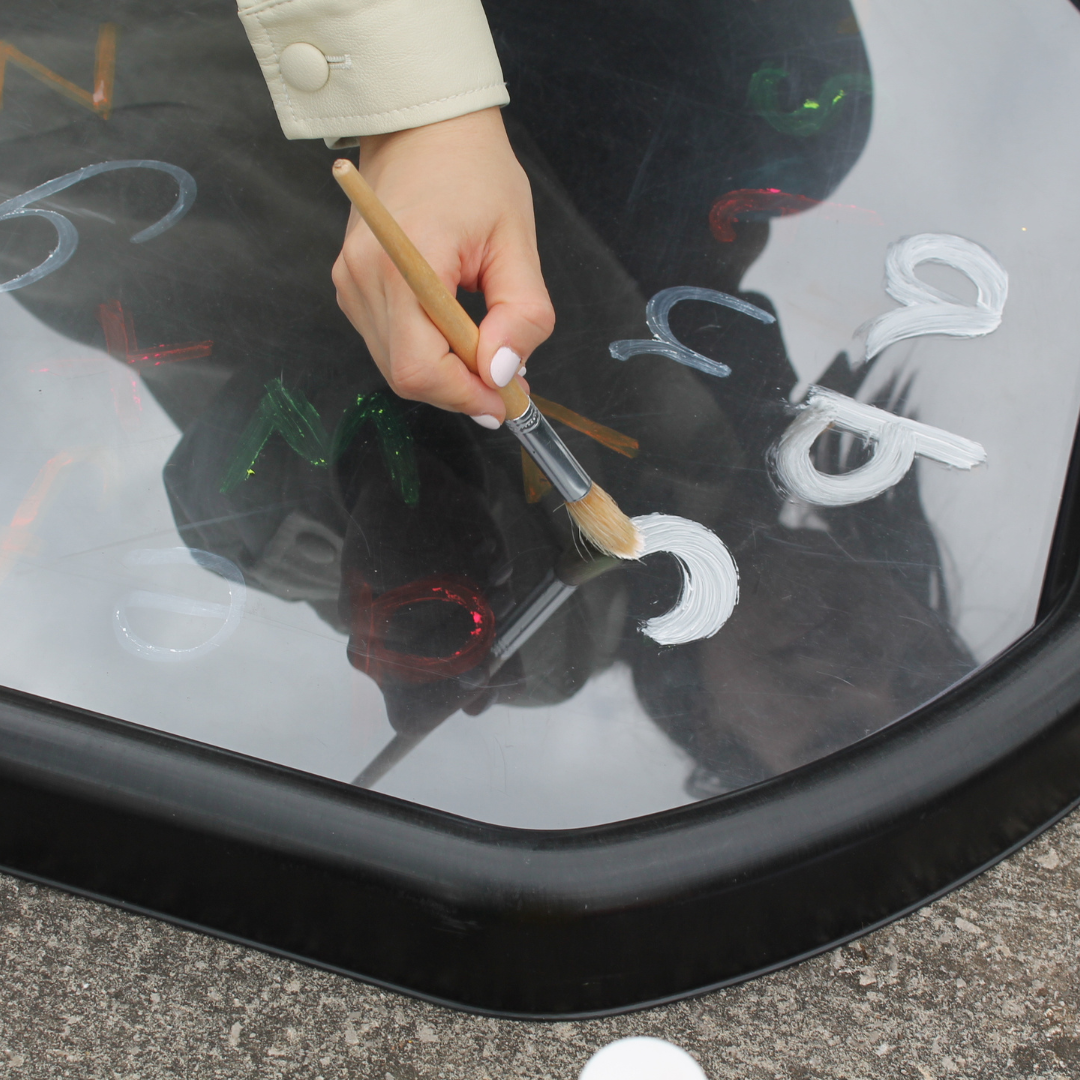
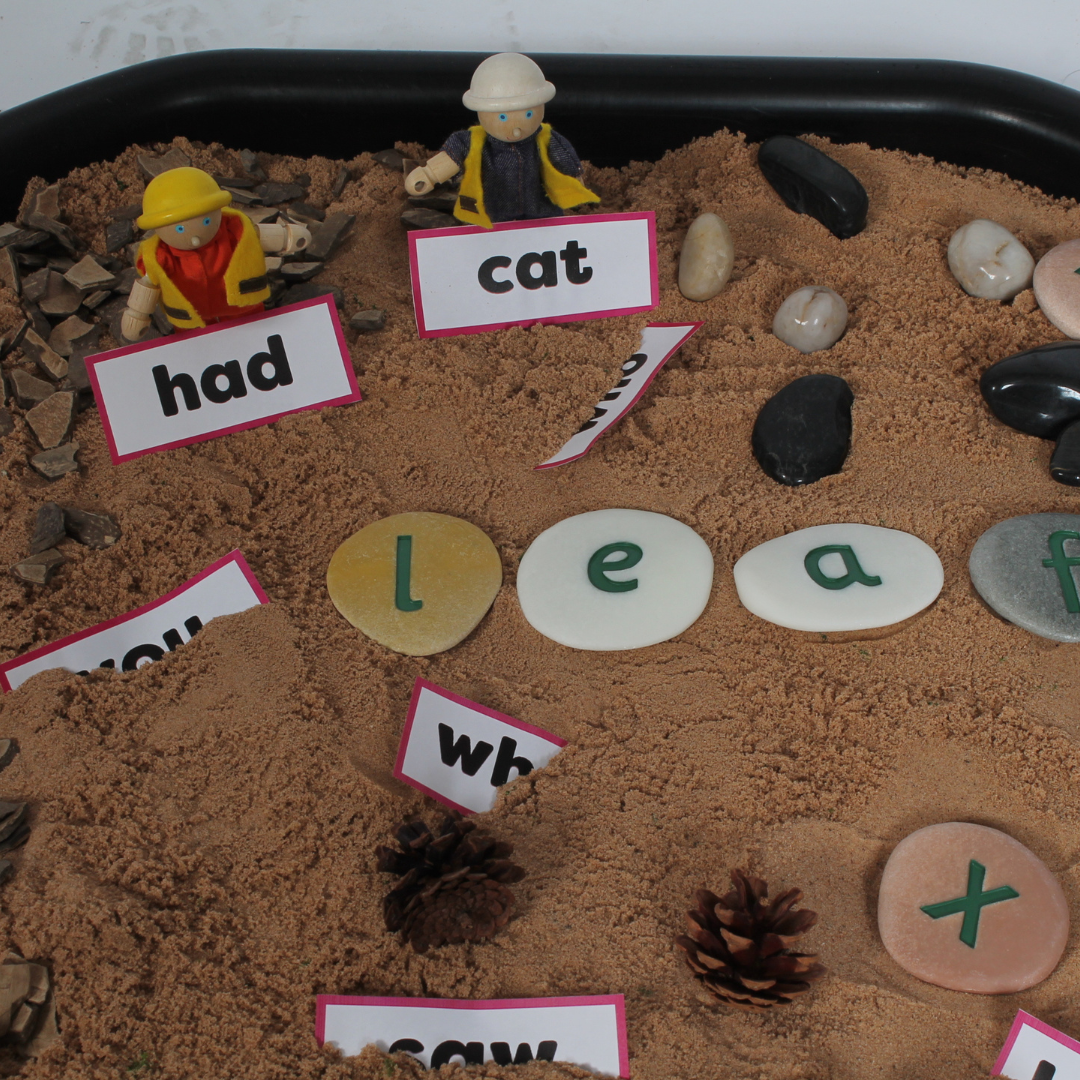
- Tuff Trays for sensory mark-making, word building or letter tracing

Final Thoughts: Teaching Literacy on a Budget
Teaching literacy on a budget is about creativity, flexibility and making the most of what you already have. With free resources, simple DIY ideas and reusable tools, you can create meaningful literacy experiences that support children’s development without overspending.
Share your Ideas
Have your own budget-friendly literacy ideas? Share them with us on social media by tagging us or using #ExploreWithEYR.
